| Use Case | Recommended Flooring | Primary Reason |
|---|---|---|
| Primary bedroom | Carpet | Provides thermal insulation, acoustic dampening, and fall cushioning. |
| Luxury resale property | Solid hardwood | Delivers long service life and 70%–80% return on investment. |
| Allergy-sensitive household | Hardwood | Eliminates the large dust reservoir associated with textile flooring. |
| Budget renovation | Carpet | Reduces upfront material and installation costs. |
| Second-floor children's room | Carpet | Reduces impact noise and softens falls. |
| High-end custom home | Hardwood | Creates long-term asset value and refinishing potential. |
| Home with senior dogs | Carpet | Improves traction and reduces slipping injuries. |
| Rental property requiring low initial investment | Carpet | Minimizes immediate renovation expense. |
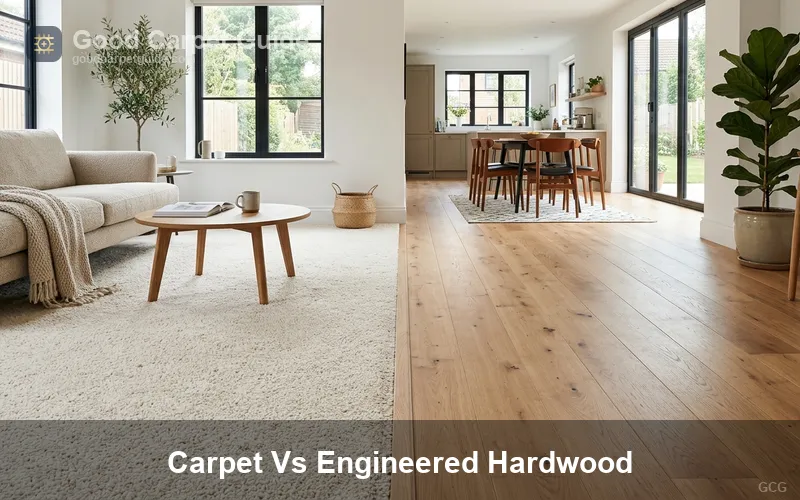
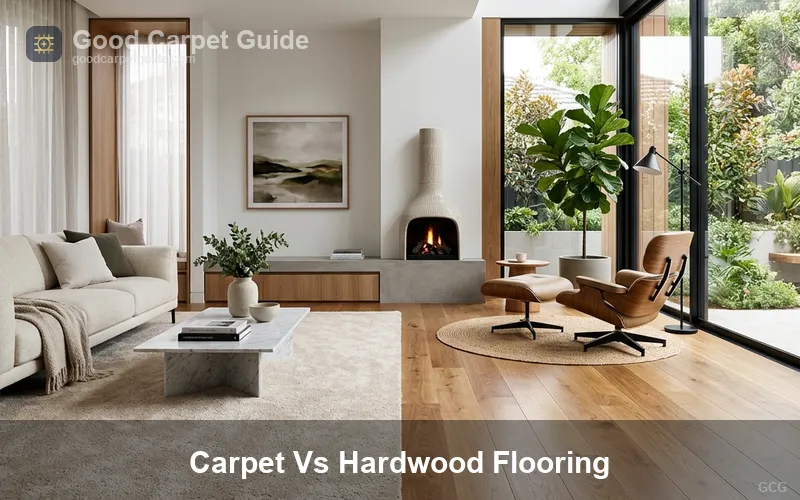
Carpet vs hardwood flooring represents one of the most significant flooring decisions a homeowner makes because the choice affects installation cost, maintenance, indoor acoustics, resale value, allergy control, and replacement cycles. Carpet vs hardwood flooring also determines long-term lifecycle expenses because textile flooring functions as a depreciating finish while solid wood functions as a renewable architectural surface.
Professional installers evaluate carpet and hardwood differently than retail salespeople. Job-site experience reveals subfloor conditions, warranty failures, pad selection mistakes, and installation shortcuts that remain invisible inside a showroom, which is also a key consideration when analyzing carpet vs laminate flooring options. Real homeowner reports also reveal regret after replacing carpet with hardwood because noise increases, dust becomes more visible, and elderly pets lose traction. Real homeowner reports also reveal regret after replacing carpet with hardwood because noise increases, dust becomes more visible, and elderly pets lose traction.
is carpet or hardwood flooring more expensive
Hardwood flooring requires a substantially larger initial investment than carpet installation.
The following table compares installed project costs using current market pricing and separates material costs from labor costs.
| Flooring type | Material cost | Installation cost | Typical installed cost |
|---|---|---|---|
| Carpet | $1–$12/sq ft | $1–$3/sq ft | $2–$8/sq ft |
| Engineered hardwood | $4–$17/sq ft | $3–$8/sq ft | $7–$20/sq ft |
| Premium engineered hardwood | Varies | Varies | Up to $25/sq ft |
| Solid hardwood | $5–$15/sq ft | $3–$8/sq ft | $11–$25/sq ft |
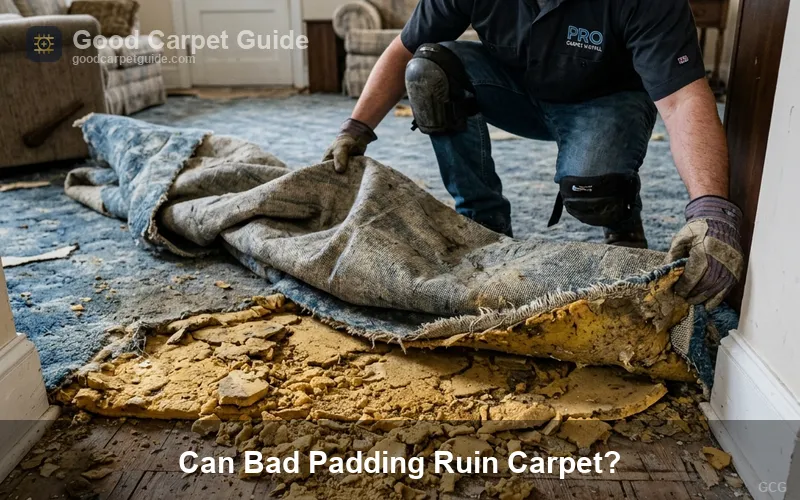
The pricing data demonstrates that carpet minimizes initial expenditure while hardwood increases upfront capital investment. The pricing data also excludes demolition complexity because glued carpet removal raises preparation costs to $3–$5 per square foot.
Installers encounter hidden charges long before new flooring reaches the job site.
- Expect carpet removal charges of $0.70–$1.60 per square foot for staple-down installations.
- Expect glued carpet scraping charges of $3–$5 per square foot.
- Expect hardwood stair installation charges of $100–$250 per stair.
- Expect carpet stair removal charges of $2–$20 per step.
Those preparation expenses influence renovation budgets as much as visible flooring prices.
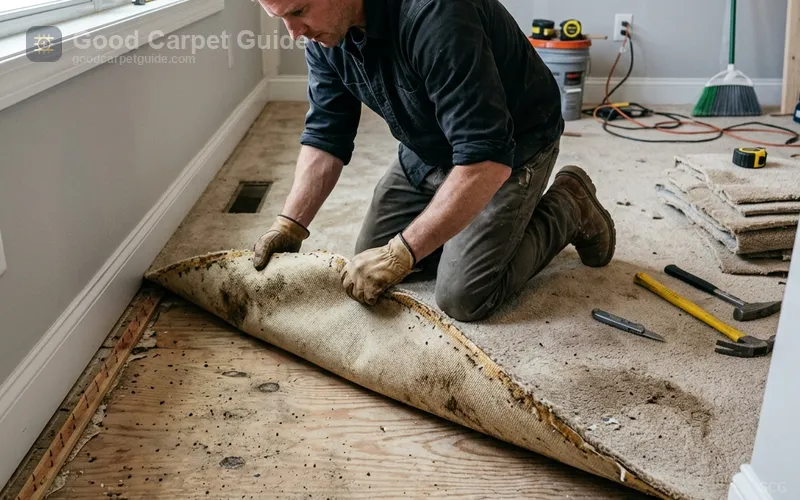
Caption: Demolition work exposes hidden preparation costs that connect material pricing with long-term flooring investment decisions.
is carpet or hardwood flooring better
Hardwood flooring provides higher resale value and better allergy performance, while carpet provides greater comfort, quieter rooms, and improved traction.
Carpet: A textile floor covering manufactured from woven or tufted fibers—where comparing resiliency differences between nylon and polyester determines traffic performance—supported by primary backing, secondary backing, and underlayment.
Hardwood flooring: A wood surface manufactured from solid lumber or engineered wood layers that creates a renewable walking surface capable of refinishing.
Professional installers separate the comparison into functional categories.
- Improves resale value through solid hardwood installation.
- Improves acoustic absorption through carpet installation.
- Improves thermal comfort through carpet installation.
- Improves allergen control through hardwood installation.
- Improves pet traction through carpet installation.
- Improves refinishing potential through hardwood installation.
Real homeowner experiences reinforce those distinctions. Several homeowners who replaced carpet with hardwood reported that rooms became "so much LOUDER" and developed noticeable echo. Other homeowners immediately observed dust and dog hair across visible wood surfaces after carpet removal. Senior dogs also struggled to maintain footing on smooth hardwood planks.
From an installer perspective, neither flooring category wins every project. Household composition determines the correct specification more reliably than showroom aesthetics.
what hardwood flooring do professionals recommend
Professional flooring installers consistently recommend manufacturers with strict quality control and stable milling tolerances.
The following brands receive repeated positive feedback among experienced installers.
| Brand | Reason professionals recommend the brand |
|---|---|
| Mirage | Exceptional quality control and consistent milling |
| Lauzon | Pure Genius titanium dioxide air-purifying finish |
| Kahrs | Stable engineered construction for radiant heat |
| Boen | Reliable engineered construction for radiant heat |
Professional installers also identify brands that generate recurring warranty complaints.
- Avoid Lumber Liquidators products because installers describe many collections as commodity-grade flooring with inconsistent quality.
- Avoid white-box hardwood programs supplied through some big-box retailers because grading consistency decreases significantly.
- Avoid assuming national retailer branding guarantees manufacturing consistency.
The recommendation process extends beyond manufacturer selection because installation quality determines service life.
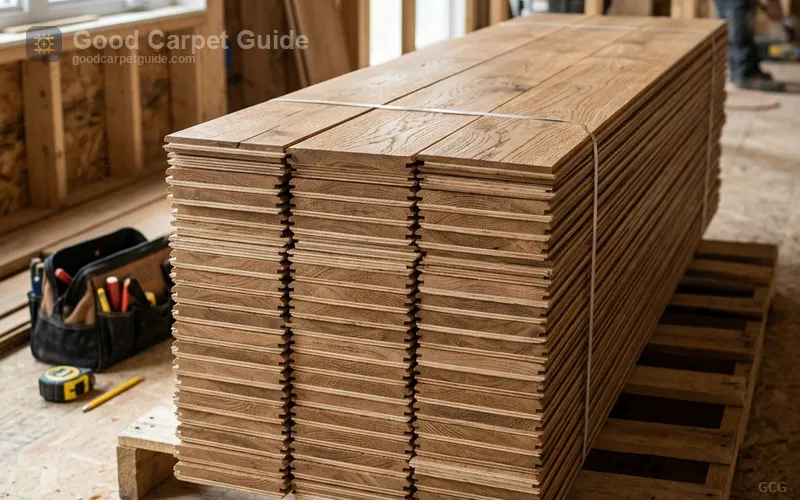
Caption: Professional hardwood selection bridges manufacturing quality with installation practices that determine long-term flooring performance.
how long does carpet vs hardwood flooring last according to real users
Real homeowner experience indicates that carpet requires repeated replacement while hardwood survives multiple renovation cycles.
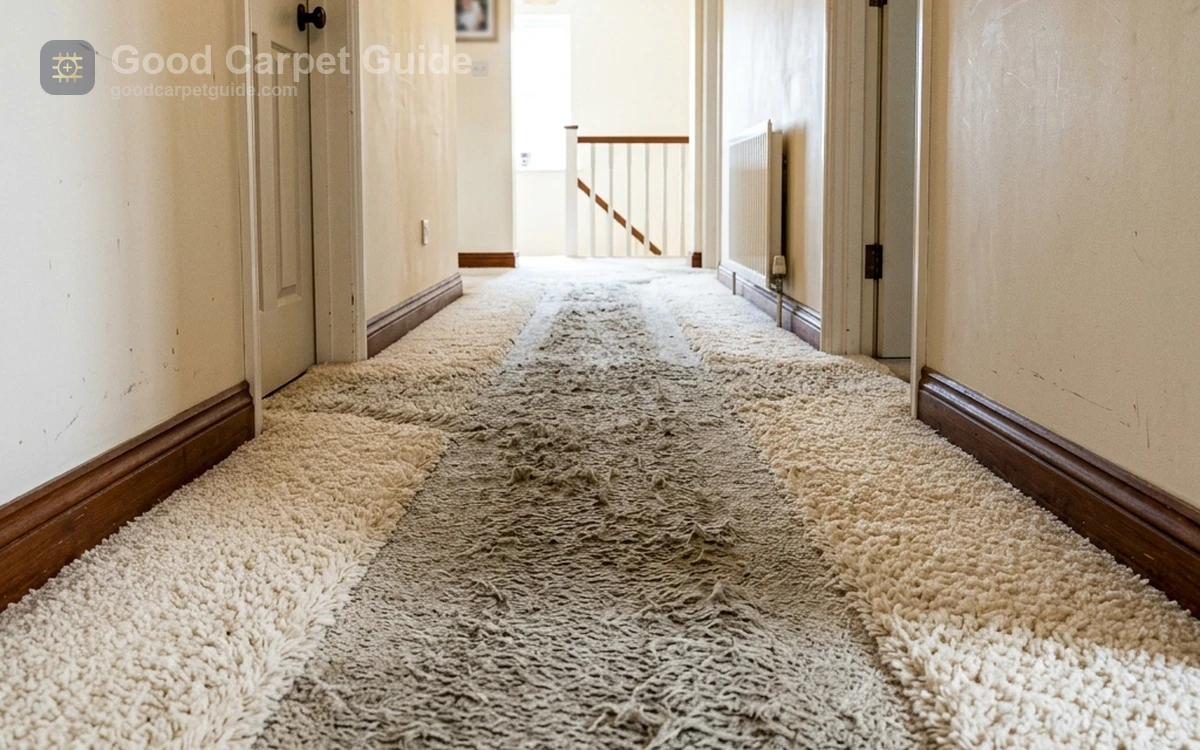
The actual service lifespan of residential carpeting typically reaches replacement age within 5–10 years in active households. Solid hardwood frequently remains serviceable for multiple decades because sanding and refinishing restore the wear surface instead of replacing the material.
Installer observations align with homeowner lifecycle costs.
- Replace residential carpet after sustained fiber crushing or backing failure.
- Refinish solid hardwood after finish wear instead of demolition.
- Replace engineered hardwood after wear layer exhaustion when sanding limits are reached.
- Preserve hardwood through periodic maintenance instead of complete removal.
Lifecycle economics shift dramatically over long ownership periods. Replacing carpet repeatedly across a 50-year ownership timeline produces significantly higher cumulative expenditure than maintaining solid hardwood despite hardwood's larger initial purchase price.
do manufacturers and installers agree on warranty fine print
Manufacturers and installers disagree on several warranty assumptions because marketing language simplifies technical requirements.
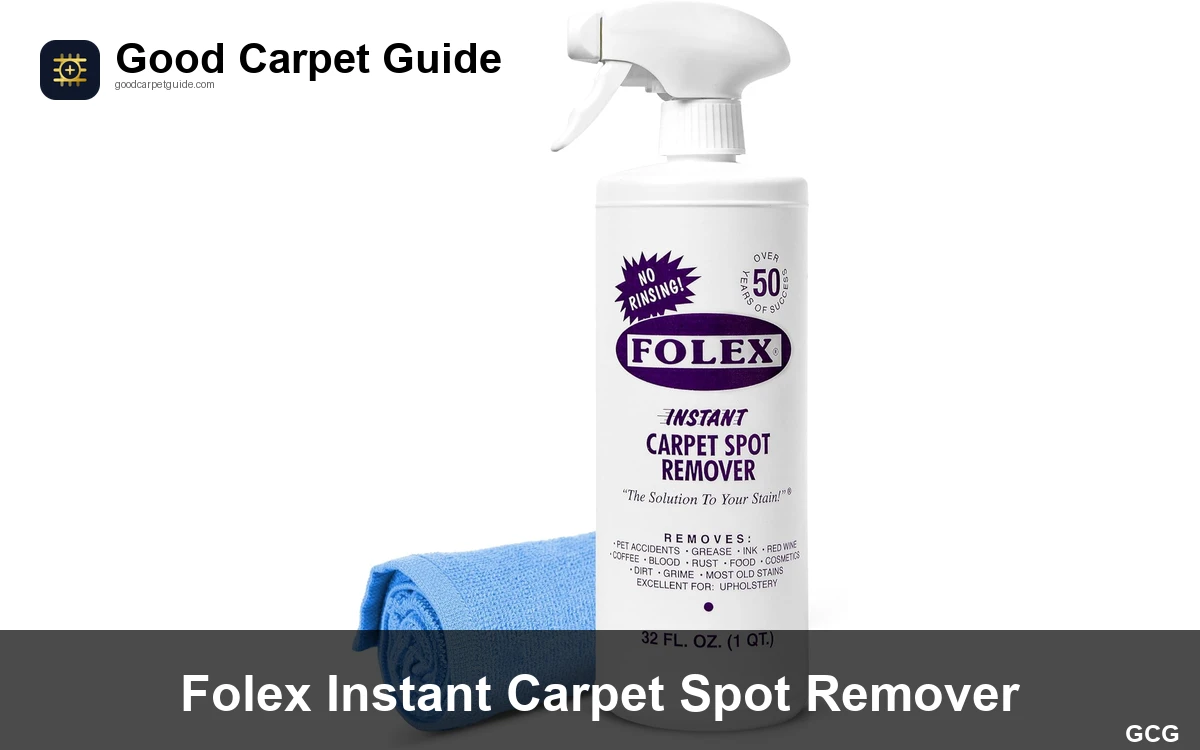
Folex Instant Carpet Spot Remover
Highly effective low-residue surfactant cleaner. Unlike foaming retail sprays, Folex leaves zero sticky residue, preventing recurring wicking spots.
Check Price on AmazonThe largest misunderstanding involves carpet padding.
Carpet cushion: An underlayment installed beneath carpet—which installers refer to as carpet padding designed to absorb impact —that distributes load, supports backing integrity, and affects warranty eligibility.
Retail sales presentations frequently encourage thick memory foam products. Professional installers frequently reject those products because excessive softness increases backing flex and accelerates wear. Experienced installers instead recommend selecting density-matched rebond over frothed memory foam underlayments for residential high-traffic zones.
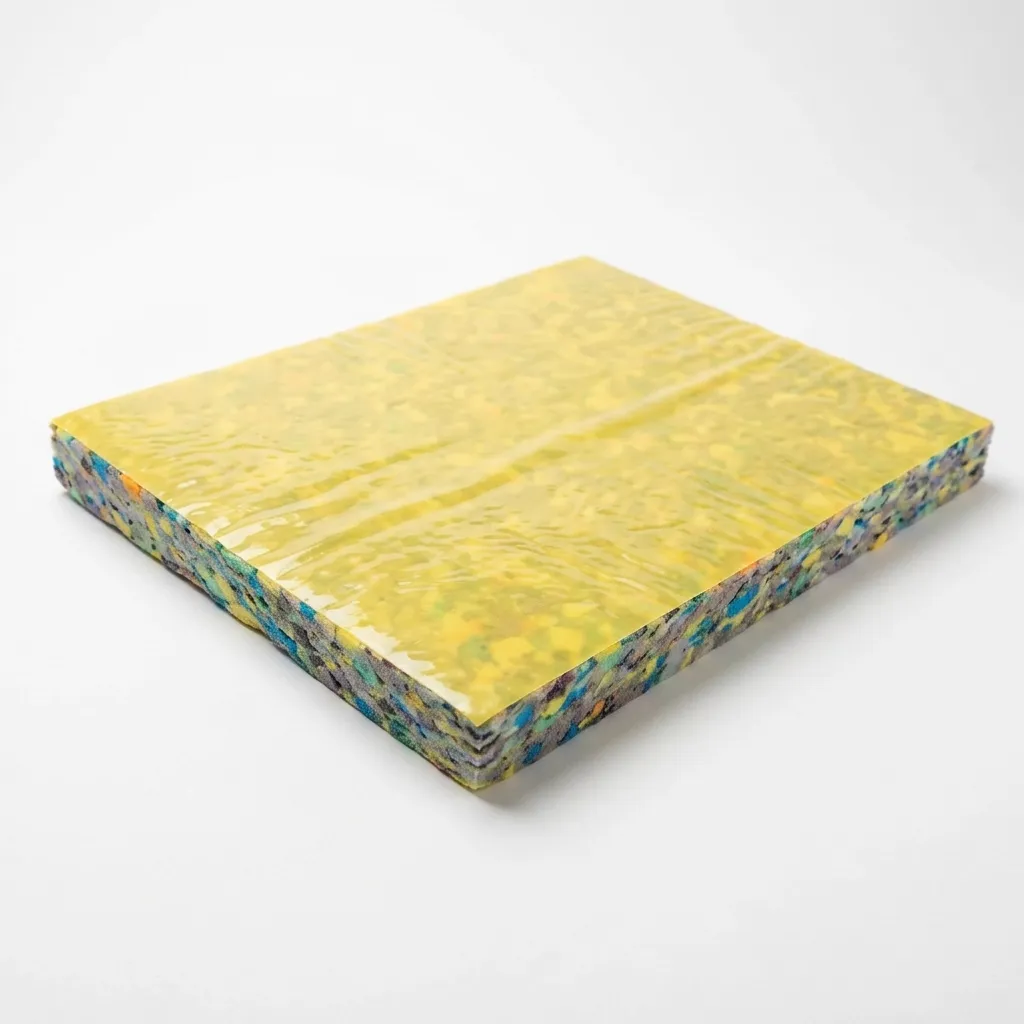
Mohawk SmartCushion Premium Carpet Padding
An 8-lb density underlayment featuring an integrated moisture guard. Provides structural support beneath the backing to minimize cushion flex stress, preventing wrinkles and backing delamination.
Check Price on AmazonWarranty documents also impose strict maintenance obligations.
- Schedule IICRC-certified hot water extraction cleaning.
- Preserve receipts documenting professional maintenance.
- Install approved cushion specifications.
- Avoid oversized padding exceeding one-half inch thickness.
Steam cleaning creates another common warranty dispute. Homeowners frequently assume steam cleaning satisfies maintenance obligations, but many carpet warranties specifically require hot water extraction performed according to manufacturer requirements.
Pet coverage also creates confusion. Many warranties exclude repeated urine contamination and investigators use ultraviolet inspection methods to identify undisclosed staining during claim evaluation.
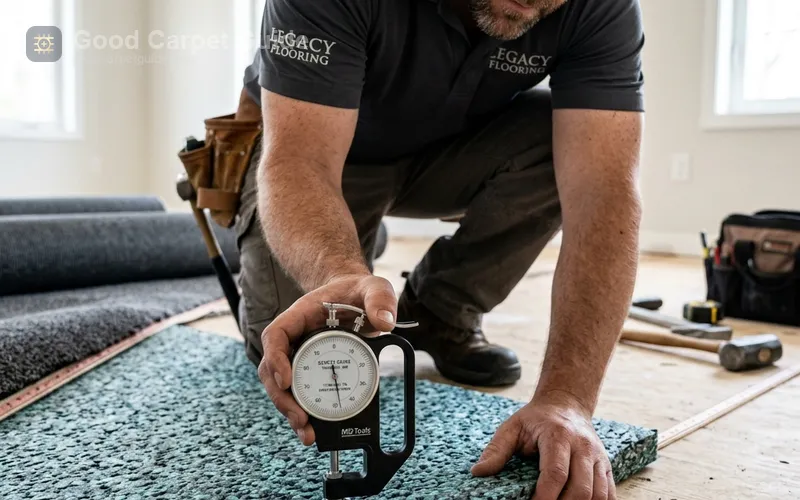
Caption: Carpet cushion specification connects installation practice with manufacturer warranty compliance and long-term backing stability.
carpet vs hardwood flooring cost and budget considerations
Budget planning requires analysis of purchase price, maintenance expense, replacement frequency, demolition charges, and resale recovery.
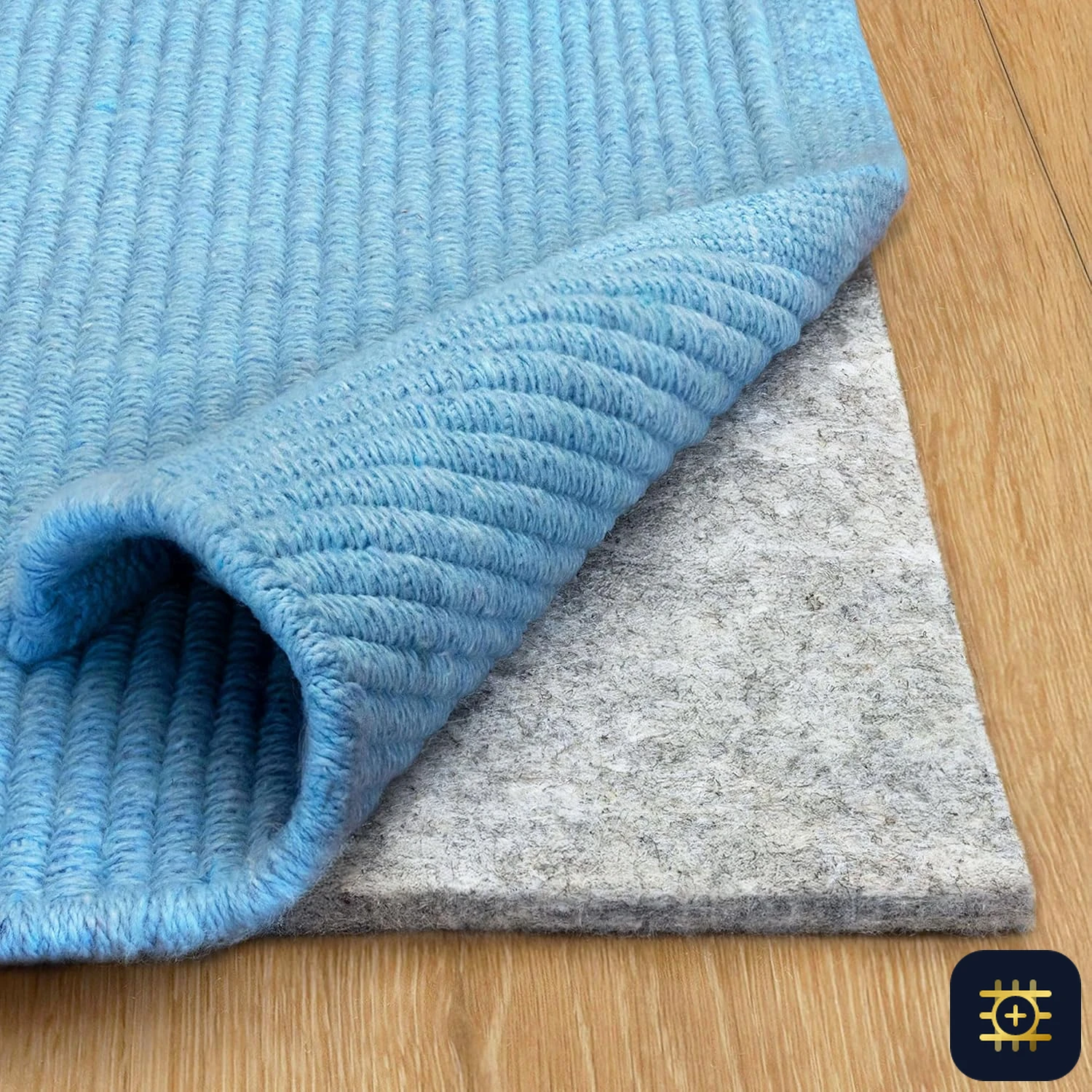
RugPadUSA Basics High-Density Felt Padding
Premium 100% felt padding provides the ultimate protection for hardwood floors. High-density construction prevents 'carpet creep' and preserves floor profile under rugs.
Check Price on AmazonThe comparison below summarizes practical financial outcomes.
| Financial factor | Carpet | Hardwood |
|---|---|---|
| Initial investment | Lower | Higher |
| Replacement frequency | Higher | Lower |
| Refinishing option | None | Available for solid wood |
| Resale contribution | Limited | Approximately 70%–80% ROI |
| Acoustic performance | Excellent | Lower without rugs |
| Long-term depreciation | Rapid | Slow |
Professional installers repeatedly observe another hidden expense category involving subfloor discoveries. Carpet removal occasionally reveals original hardwood damaged by aggressive tack-strip cuts or saw marks. Homeowners have reported that previous carpet installers intentionally made deep cuts that complicated future refinishing projects.
Big-box installation promotions deserve similar scrutiny. Experienced installers explain that "free installation" programs frequently recover labor expense by inflating carpet pad pricing rather than eliminating labor costs entirely.
frequently asked questions about carpet and hardwood flooring
Homeowners frequently evaluate trade-offs regarding material values, health benefits, and installation procedures. The answers below address common inquiries using installer evidence and manufacturing standards.
is hardwood flooring worth it
Hardwood flooring justifies higher initial cost through resale contribution, refinishing capability, and multi-decade service life.
what is healthier carpet or hardwood floors
Hardwood flooring supports allergy control because hardwood flooring does not function as a long-term dust reservoir. Research cited by allergy professionals indicates that one square meter of carpet houses approximately 100,000 dust mites under favorable conditions.
is carpet or hardwood floor better for allergies
Hardwood flooring performs better for allergy-sensitive occupants because smooth surfaces simplify particulate removal through sweeping and vacuuming.
how to carpet hardwood floors
Install carpet over hardwood by following a structured preparation process.
- Inspect hardwood for loose boards.
- Repair damaged substrate sections.
- Install approved tack strips around room perimeter.
- Install warranty-compliant carpet cushion.
- Stretch carpet using professional power stretching equipment.
The installation sequence protects hardwood while preserving carpet performance.
how to choose hardwood flooring
Select hardwood flooring according to construction method, wear layer thickness, species hardness, humidity conditions, and installer support rather than showroom appearance alone.
Households using radiant heating systems benefit from engineered products such as Kahrs or Boen because engineered construction reduces dimensional movement.
Hardwood flooring serves homeowners seeking resale value, allergy reduction, and long service life. Carpet serves homeowners seeking warmth, sound absorption, lower upfront cost, and improved traction for children or aging pets. Veteran installers consistently emphasize one final lesson from thousands of renovation projects: purchase flooring from reputable local specialists, verify every warranty requirement before installation, and never assume promotional marketing reflects actual job-site performance.