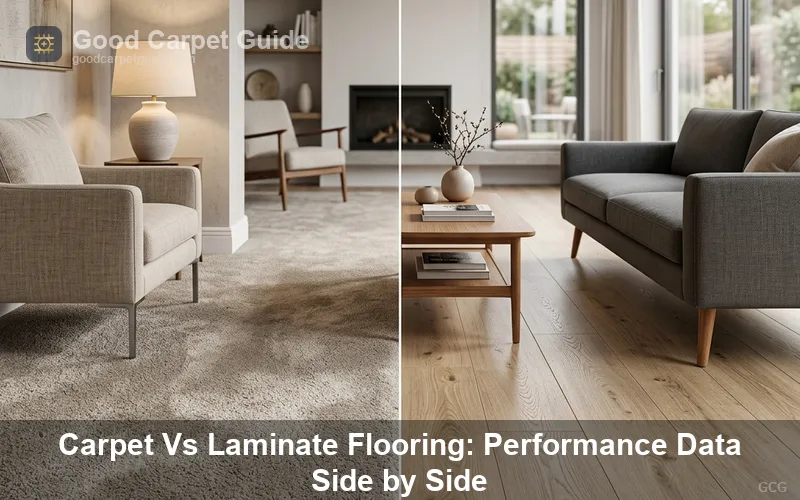
TL·DR recommendation matrix: carpet vs laminate flooring decision outcomes
| Use Case | Carpet Performance Outcome | Laminate Flooring Performance Outcome | Technical Verdict |
|---|---|---|---|
| Bedroom comfort priority | High thermal insulation, high acoustic damping | Moderate acoustic reflection, low thermal retention | Carpet dominates |
| Pet-heavy households | Fiber traps odor unless deep-cleaned | Surface resists odor but risks seam water ingress | Conditional advantage to laminate |
| Basement installations | Moisture retention risk in padding layer | Subfloor moisture failure risk at joints | Laminate with vapor barrier preferred |
| Rental property durability | High replacement frequency under staining | High scratch resistance but chip-prone edges | Laminate preferred |
| Long-term maintenance cost | Annual cleaning required ($125/year avg) | Near-zero maintenance cost | Laminate preferred |
| Budget installation (initial) | Lower entry cost ($2–$8/sq ft) | Higher entry cost ($4–$14/sq ft) | Carpet cheaper upfront |
Quick Verdict: Carpet vs laminate flooring decision depends on energy absorption needs versus structural durability requirements. Carpet flooring dominates comfort, acoustics, and thermal insulation. Laminate flooring dominates moisture resistance behavior (surface-level), long-term maintenance economics, and scratch resistance under moderate traffic loads.
carpet vs laminate flooring
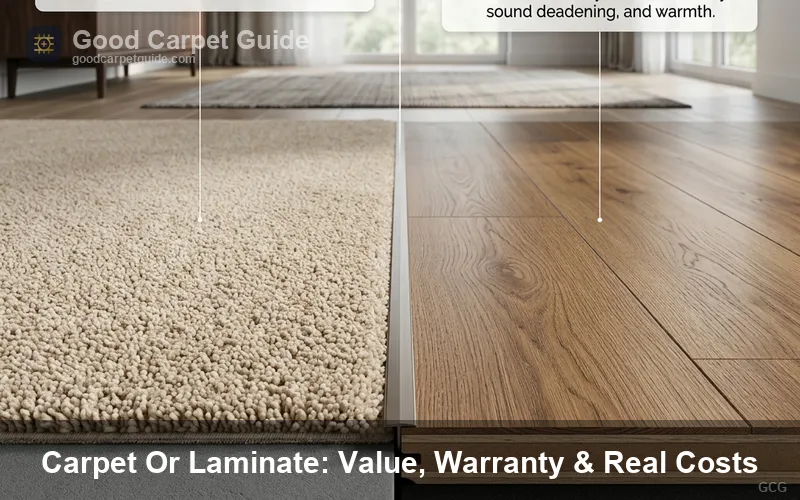
Carpet vs laminate flooring represents a structural comparison between textile-based surface systems and rigid composite laminate systems. A detailed comparison evaluates performance across moisture tolerance, acoustic absorption, wear mechanics, installation constraints, and lifecycle cost volatility under residential stress conditions. This evaluation helps homeowners choose between a soft fiber system and a hard panel system, similar to our analysis of carpet vs hardwood flooring .
Carpet operates as a fiber matrix system using pile density, face weight, and underlayment cushioning to distribute load. Laminate flooring operates as a layered high-density fiberboard (HDF) or mineral core structure with a decorative wear layer and click-lock joint system. Carpet vs laminate flooring performance divergence originates from fundamentally different material physics: compressible fiber deformation versus rigid panel load transfer.
Composite field reports from installers indicate that carpet systems fail primarily through moisture retention in padding layers, while laminate flooring systems fail primarily through edge joint intrusion and subfloor flatness violations. These failures demonstrate why proper subfloor preparation is critical for both materials.
comfort, noise and thermal performance
Carpet flooring provides superior comfort, acoustic damping, and thermal retention compared to laminate flooring due to compressible fiber mechanics and trapped air insulation layers. Homeowners seeking a quiet and warm environment consistently favor textile coverings.
Carpet functions as a viscoelastic surface system where fiber density and padding thickness determine energy absorption. Laminate flooring functions as a rigid resonance surface where impact energy reflects into room acoustics.
acoustic and thermal performance comparison
| Performance Metric | Carpet Flooring | Laminate Flooring |
|---|---|---|
| Impact noise reduction | High (fiber absorption) | Low (hard surface reflection) |
| Footstep sound attenuation | 25–40 dB reduction (with premium pad) | 5–15 dB reduction |
| Thermal insulation retention | High (air-trapped fibers) | Low (conductive surface layer) |
| Underfoot comfort | High compression response | Low compliance rigidity |
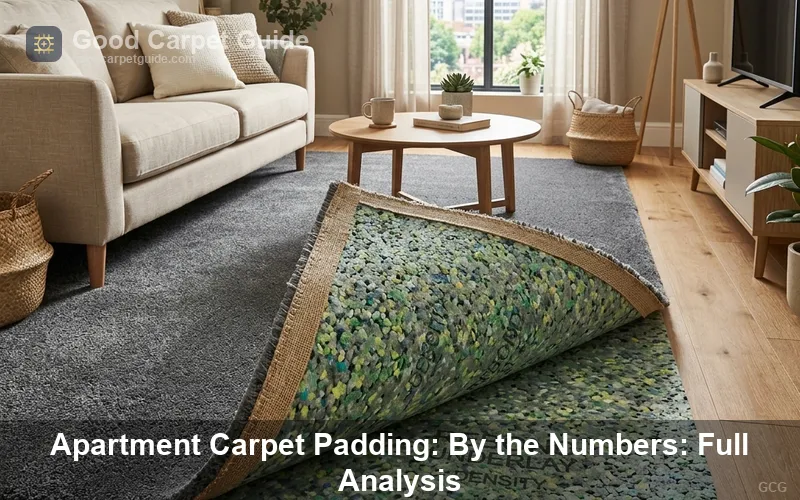
Carpet padding density directly modifies acoustic performance. Selecting a high-density cushion ensures proper rebound elasticity and backing support over time, as explained in our carpet padding guide .
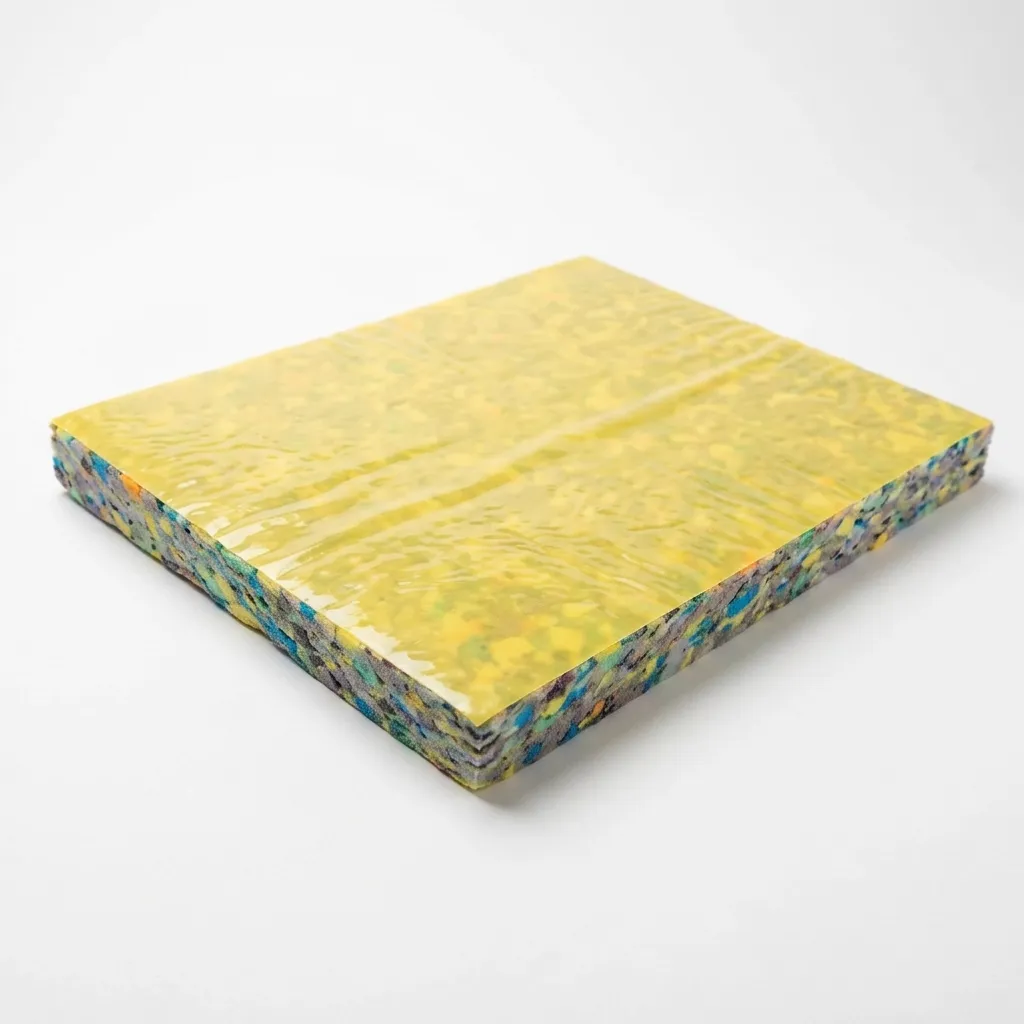
Mohawk SmartCushion Premium Carpet Padding
Used for high-density acoustic and thermal performance stabilization under carpet systems.
Check Price on AmazonCarpet systems in bedrooms produce consistent thermal buffering in cold-floor environments. Laminate flooring produces faster heat dissipation into subfloor concrete or wood substrates.
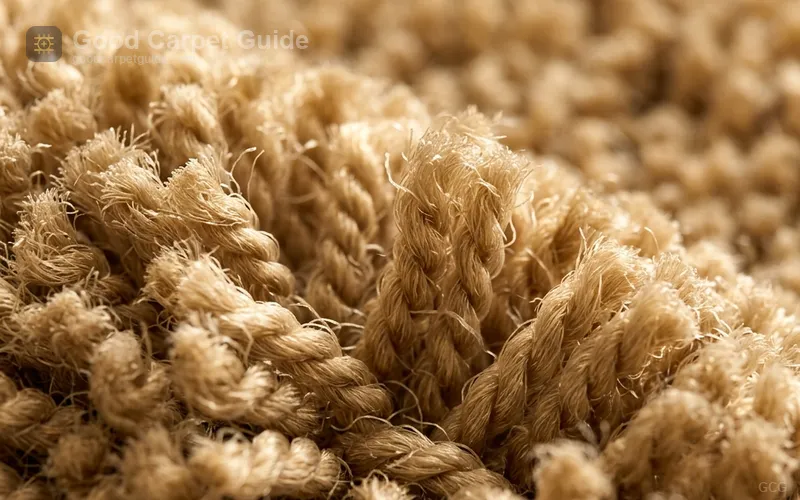
Carpet fiber density structure absorbing impact energy and reducing airborne sound transmission across residential flooring systems.
room-by-room recommendations
Carpet vs laminate flooring suitability changes significantly based on spatial function, moisture exposure, and traffic load distribution. Each room presents unique physical demands that affect the longevity of the installation.
bedrooms
Carpet flooring dominates bedroom applications due to acoustic dampening and thermal comfort stability. Carpet reduces sleep-disruptive impact noise and increases perceived warmth.
living room
Laminate flooring performs better in living rooms with mixed traffic and furniture load variability. Laminate resists surface abrasion from chairs, pet claws, and repeated movement paths.
hallways and stairs
Laminate flooring provides higher structural resilience under directional foot traffic stress. Carpet stair systems require frequent fiber recovery and edge reinforcement.
kitchen and dining areas
Laminate flooring provides superior spill resistance at surface level. Carpet fibers retain food particles and moisture compounds under repeated exposure.
bathroom and laundry
Laminate flooring with moisture-resistant joints provides better protection than textile coverings in splash zones. Neither material is recommended for wet areas, but laminate outperforms carpet under mild moisture exposure.
basement environments
Basement installations require moisture analysis. Carpet padding traps humidity at slab interface, while laminate flooring risks edge swelling under vapor transmission, making carpet vs vinyl plank flooring a common alternative for damp subfloors.
rental properties
Laminate flooring provides lower lifecycle replacement frequency under tenant-driven wear cycles. Carpet flooring requires higher turnover maintenance and stain remediation.
how much is carpet vs laminate flooring (PAA)
Carpet vs laminate flooring installation cost ranges from $2–$8 per square foot for carpet systems and $4–$14 per square foot for laminate systems based on current installation benchmarks. For detailed breakdowns of textile expenses, consult our carpet cost guide .
Carpet flooring cost structure includes fiber material, adhesive or stretch installation, and padding systems. Laminate flooring cost structure includes click-lock panels, underlayment, and subfloor flattening labor.
| Cost Component | Carpet Flooring | Laminate Flooring |
|---|---|---|
| Material cost | $1.00–$5.00/sq ft | $2.00–$9.00/sq ft |
| Installation labor | $1.00–$3.00/sq ft | $2.00–$5.00/sq ft |
| Underlayment | Included or separate | Required |
| Total installed cost | $2–$8/sq ft | $4–$14/sq ft |
Carpet flooring achieves lower entry cost due to simpler substrate tolerance. Laminate flooring increases cost due to precision flatness requirements.
is carpet or laminate flooring better for bedroom (PAA)
Carpet flooring performs better for bedroom environments due to thermal insulation and acoustic absorption properties. This preference is supported by the need for low-noise sleeping environments.
Carpet fibers reduce airborne noise transmission and footstep resonance. Laminate flooring increases sound reflection in enclosed sleeping environments unless underlayment systems are installed.
Carpet bedding systems maintain warmer surface temperatures in cold climates. Laminate flooring produces faster heat loss through conductive subfloor interaction.
Carpet bedrooms require periodic deep cleaning due to fiber particulate retention. Laminate bedrooms require joint inspection for moisture intrusion under furniture zones.
is carpet or laminate wood flooring cheaper (PAA)
Carpet flooring is cheaper than laminate wood flooring at initial installation stage, while laminate flooring becomes cheaper over a 10-year lifecycle under maintenance cost modeling. The initial price advantage of textile coverings is offset by recurring cleaning costs.
Carpet flooring requires annual professional cleaning averaging $125 per year. Laminate flooring requires minimal recurring maintenance expenditure.
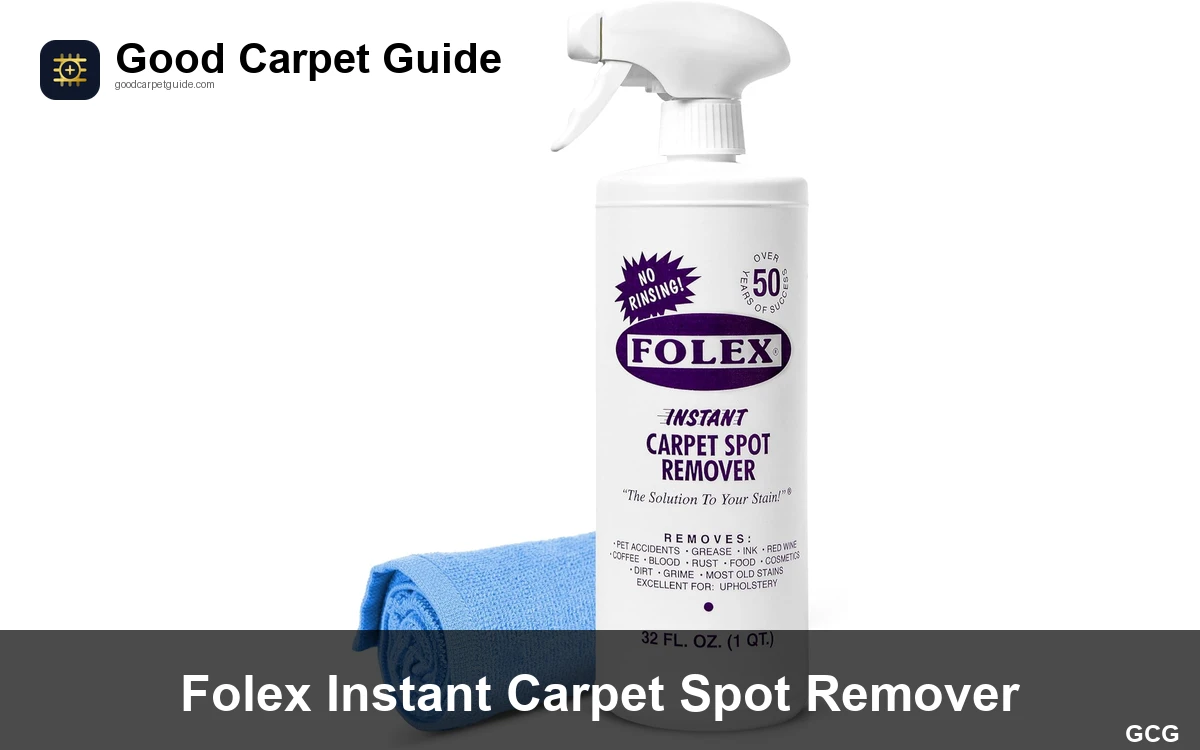
Folex Instant Carpet Spot Remover
High-efficiency stain remover that lifts grease, dirt, and cosmetics from carpet fibers without leaving residue.
Check Price on AmazonA 500 sq ft carpet installation costs approximately $2,250 initially. A 10-year carpet lifecycle reaches approximately $3,500 including maintenance. Laminate flooring stabilizes near $3,500 total cost with negligible recurring expense.
Carpet cost efficiency decreases in high-traffic environments due to fiber compression cycles. Laminate cost efficiency increases under stable subfloor conditions.
real homeowner and installer experiences
Composite field observations from installers indicate systematic failure patterns in both carpet and laminate flooring systems under incorrect installation or environmental mismatch. Homeowners often share these experiences to warn others of potential pitfalls.
laminate flooring failure patterns
Laminate flooring systems display predictable mechanical failures when exposed to residential stresses:
- Sustains edge impact damage and seam moisture intrusion.
- Fractures melamine wear layers under localized point loads.
- Swells high-density fiberboard (HDF) cores once moisture penetrates joints.
Laminate flooring systems fail primarily due to edge impact damage and moisture intrusion at seams. One homeowner reported over 76 chips in 980 sq ft after six months of usage, indicating brittle wear layer fragmentation under point load impact.
Laminate flooring HDF cores behave like moisture-absorbing matrices when protective layers are breached. Small dishwasher leaks caused full-room replacement events due to lateral moisture spread under floating systems.
carpet flooring failure patterns
Carpet systems exhibit specific degradation patterns under environmental exposure:
- Retains moisture in the underlying cushion layer.
- Fosters mold growth and concrete efflorescence in basements.
- Traps particulate matter and liquid residues within the fiber matrix.
- Preserves pet odors unless deep hot-water extraction occurs.
Carpet flooring systems fail primarily due to moisture retention in padding layers. Basement installations show efflorescence formation and subfloor darkening under long-term humidity exposure.
Carpet fibers trap particulate matter and liquid residues unless extraction cleaning cycles are maintained. Improper cleaning leads to odor retention in pad layers.
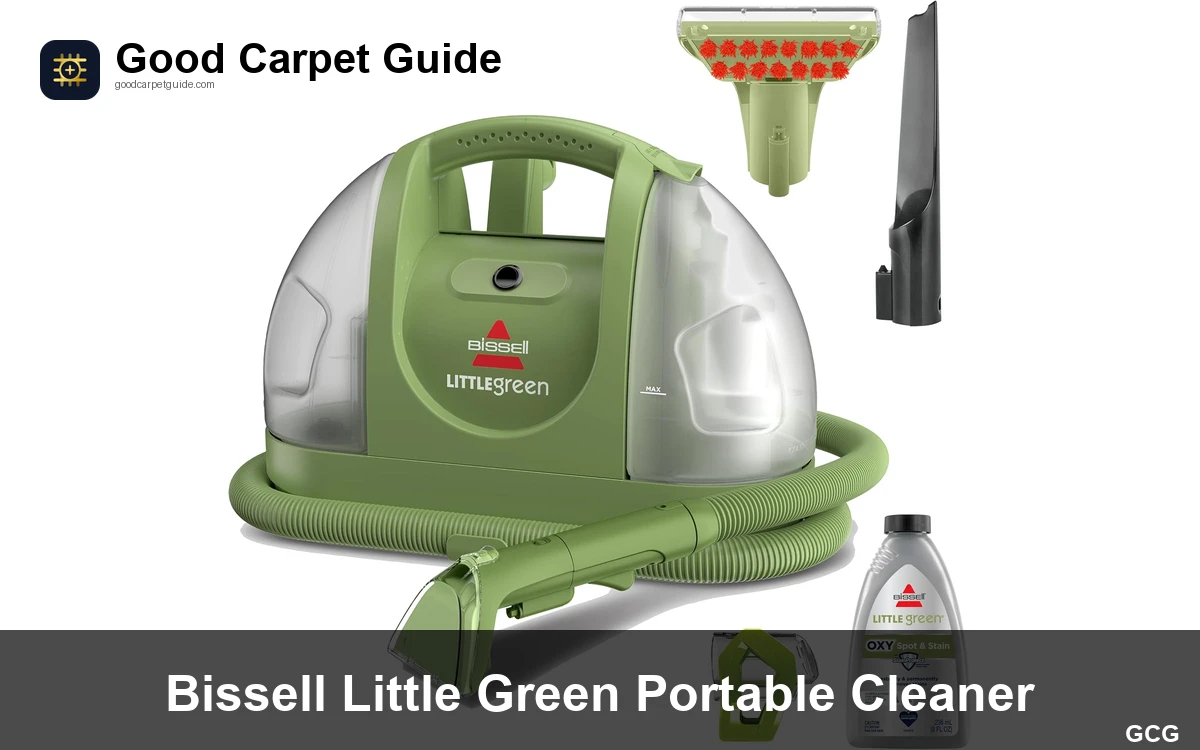
Bissell Little Green Portable Carpet and Upholstery Cleaner
Ideal portable extraction machine for deep cleaning liquid spills and preventing carpet padding saturation.
Check Price on AmazonInstallation professionals consistently report that subfloor flatness violations cause more failures than material selection itself.
extended installer field notes on laminate chipping and carpet moisture collapse
Laminate flooring failure observations increase significantly in installations where subfloor flatness tolerances are ignored or where impact loads concentrate at furniture transition points. Installers report that laminate flooring wear layers fracture most frequently at micro-impact zones such as kitchen edges, hallway entry points, and chair pivot paths.
Laminate flooring chip propagation follows a predictable mechanical sequence. First, point impact forms wear layer micro-cracks, exposing the HDF core at edge bevels. Second, moisture intrusion accelerates structural swelling at localized joints. This sequence explains why small chips evolve into visible structural degradation rather than remaining isolated cosmetic defects.
Carpet flooring failure patterns show opposite behavior. Carpet systems do not fracture but accumulate moisture saturation in padding layers. Installer reports describe basement carpet removal cases where underside padding shows black microbial staining and efflorescence crystallization on concrete slabs. This condition emerges when vapor barriers are absent or when relative humidity remains above 60% for extended seasonal periods.
Carpet padding saturation behavior becomes critical in pet environments. Urine penetration does not remain in fiber surface layers. Liquid migrates vertically into rebond foam or polyurethane cushion systems. Once padding saturation occurs, odor compounds bind chemically to foam structure, making surface cleaning ineffective without full pad replacement.
additional real-world comparative durability insights
Laminate flooring durability improves significantly when expansion gaps are maintained within manufacturer tolerances of 6–10 mm. Installers emphasize that failure rates increase when floating floors are locked against fixed cabinetry or wall transitions, causing compressive stress during seasonal humidity expansion cycles.
Carpet flooring durability is strongly dependent on fiber denier and face weight consistency. High-density nylon systems demonstrate significantly lower matting rates compared to polyester systems under identical traffic conditions. Understanding nylon vs polyester carpet performance differences helps buyers avoid premature pile collapse. Nylon fibers recover more effectively from compression due to higher resilience modulus.
Composite field reports also indicate that low-cost laminate flooring systems below $2 per square foot show disproportionately high joint separation rates within the first 18–24 months of use. These failures correlate strongly with insufficient click-lock depth and low-density core compression resistance.
durability, maintenance and failure patterns
Laminate flooring provides higher abrasion resistance but lower edge impact tolerance. Carpet flooring provides lower abrasion resistance but higher impact energy absorption.
Laminate flooring durability depends on wear layer thickness and joint engineering precision. Carpet durability depends on fiber density (face weight), pile height, and padding quality.
installation constraint rule
Laminate flooring requires subfloor flatness tolerance within 3/16 inch over 10 feet. Carpet flooring tolerates greater subfloor irregularity due to compressible underlayment.
failure mechanism comparison
| Failure Mode | Carpet Flooring | Laminate Flooring |
|---|---|---|
| Moisture damage | Padding saturation | Edge swelling |
| Impact damage | Fiber matting | Surface chipping |
| Installation error | Wrinkling | Joint separation |
Carpet systems fail gradually through compression cycles. Laminate systems fail abruptly through structural joint breakage.
why most lifetime-cost calculators favor laminate flooring — and when that logic breaks
Lifetime cost models favor laminate flooring due to elimination of recurring cleaning costs and higher abrasion resistance under moderate traffic conditions. These models assume stable environmental conditions.
Laminate flooring assumes stable subfloor moisture conditions and correct installation flatness. Carpet flooring assumes periodic maintenance cycles and fiber recovery cleaning systems.
This cost advantage breaks under specific conditions:
- Permits moisture intrusion into laminate flooring joints.
- Encounter high-comfort priority environments where carpet reduces heating and acoustic costs.
Carpet flooring becomes economically rational in bedrooms and low-spill environments. Laminate flooring becomes economically rational in kitchens, hallways, and rental units.
real reddit user experiences regarding carpet vs laminate
Composite Reddit-derived user reports indicate high divergence between marketing claims and field performance. Homeowners share raw feedback that contradicts manufacturer claims.
Laminate flooring users report brittle edge chipping under moderate impact loads such as dropped utensils and furniture movement. Carpet users report odor retention under pet urine exposure unless immediate extraction cleaning occurs.
A recurring insight indicates that “waterproof laminate” systems degrade rapidly when liquid penetrates seams, contradicting surface-level waterproof claims. Homeowners warn that even premium lines can suffer from this issue.
warranty fine print analysis for carpet vs laminate
Laminate flooring warranties frequently exclude seam water intrusion, subfloor moisture imbalance, and installation non-compliance conditions. Homeowners must read the exclusions carefully to avoid voiding their coverage.
Carpet flooring warranties frequently exclude stain permanence from biological fluids and padding compression under heavy furniture. These exclusions make regular maintenance records necessary.
Warranty enforcement depends heavily on installation certification. Improper subfloor preparation voids most laminate flooring warranties regardless of material grade.
cost and budget considerations
Carpet flooring cost efficiency increases at entry-level budgets below $3/sq ft. Laminate flooring cost efficiency increases above mid-range budgets due to lower lifecycle maintenance.
Budget laminate systems below $2/sq ft demonstrate high failure rates under moisture exposure. Budget carpet systems demonstrate high stain retention rates under heavy use.
Premium systems such as Mohawk RevWood reduce laminate failure probability by reinforcing core density and edge sealing technology. These systems offer better long-term value despite a higher initial cost.
frequently asked questions about carpet and laminate flooring
Homeowners frequently ask questions regarding comfort, durability, and cost comparison between carpet and laminate flooring. The following answers address these queries using technical specifications and installer experience.
is carpet or laminate flooring better
Carpet flooring performs better in comfort and acoustics, while laminate flooring performs better in durability and maintenance resistance. The choice depends on the specific needs of each room.
which is better carpet or laminate flooring
Carpet flooring is better for bedrooms and comfort-driven spaces. Laminate flooring is better for high-traffic and spill-prone environments.
is carpet or laminate flooring cheaper
Carpet flooring is cheaper initially. Laminate flooring is cheaper over long-term maintenance cycles.
what is easier to install carpet or laminate flooring
Carpet flooring is easier to install due to higher subfloor tolerance. Laminate flooring requires strict flatness control and expansion gap precision.
should i get carpet or laminate flooring in bedroom
Carpet flooring is the preferred option in bedrooms due to thermal insulation and acoustic damping.
why does laminate flooring chip so easily in real homes
Laminate flooring chips easily in real homes because wear layers are thin melamine coatings bonded to rigid HDF cores. Impact energy from dropped objects concentrates at point loads, exceeding surface tensile limits and initiating micro-fracture propagation at bevel edges.
does carpet trap moisture and cause mold in basements
Carpet traps moisture in basement environments when vapor barriers and dehumidification systems are absent. Moisture migrates into padding layers where evaporation is slow, creating conditions for microbial growth and efflorescence on concrete interfaces.
is premium carpet padding really necessary
Premium carpet padding is necessary because pad density controls compression recovery and fiber fatigue rates. An 8 lb rebond cushion maintains structural rebound under repeated load cycles, while low-density foam accelerates carpet matting and reduces effective lifespan.