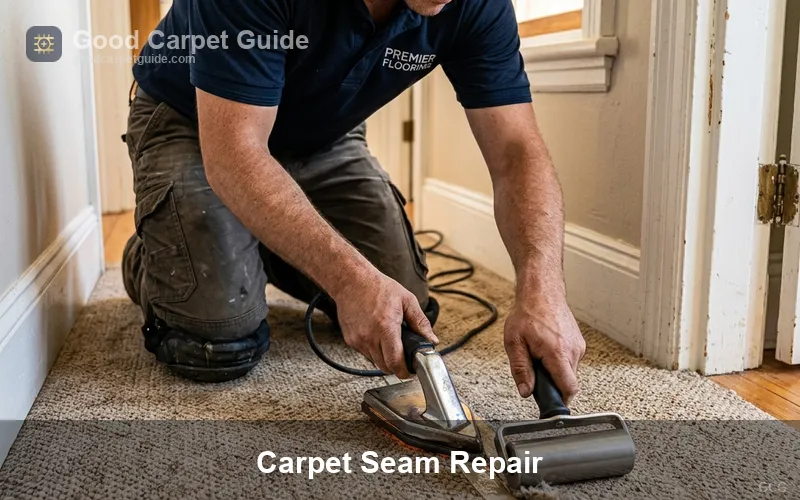
carpet seam repair
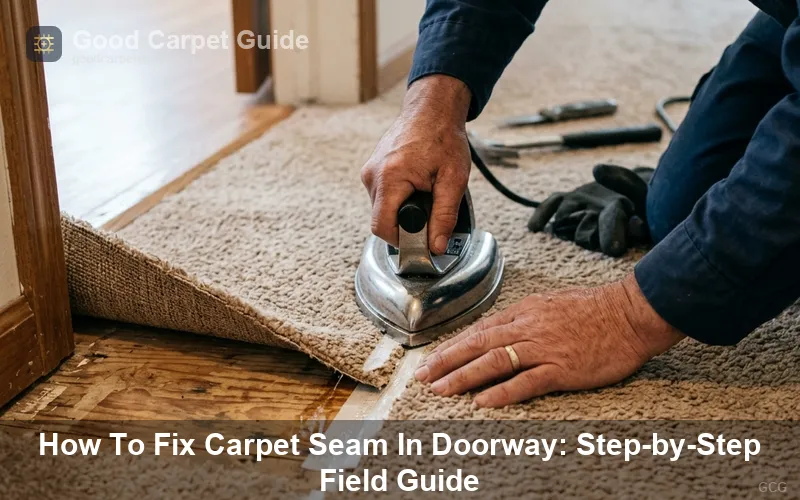
A torn carpet seam repair job starts on the worst type of call-out: doorway failure after traffic consolidation, where the seam line separates under pivot pressure and reveals backing, tape edge, and pile distortion in a single strip. Homeowners facing extensive backing separation or missing sections often need to consult a carpet hole repair guide to determine if patch insertion is required. Carpet seam repair refers to the structural restoration of two joined carpet edges using seam tape, adhesive, heat bonding, or patch integration to re-establish fiber continuity and load transfer across the joint.
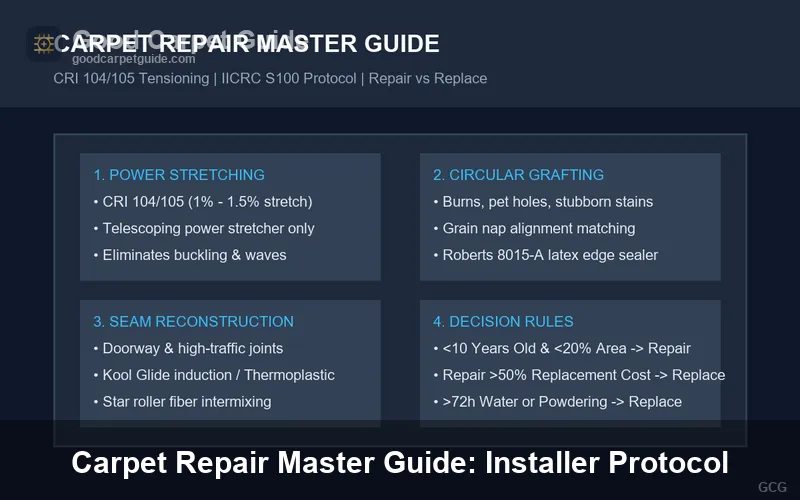
A job-site failure typically appears within 8-18 months after installation when seam tape adhesion breaks down. For full tension and seaming protocols across all damage types, consult our carpet repair master guide . 8–18 months after installation when seam tape adhesion breaks down, pile direction mismatches accumulate visual shading, or installers overheat the seam and create backing shrinkage. Installers classify this failure zone as a “line of weakness” where the carpet structure loses tensile continuity under foot rotation stress.
Carpet seam repair therefore operates as a hybrid process: mechanical re-alignment of carpet edges, adhesive re-bonding of primary backing, and pile re-orientation to eliminate seam visibility under standing light conditions.
how to repair carpet seam ripped apart (PAA)
Carpet seam ripped apart repair starts by stabilizing the backing separation zone, aligning pile direction, and rebuilding bond strength using seam tape or patch harvesting.
Carpet seam ripped apart repair follows a controlled restoration sequence used on both residential and rental-grade installations:
- Stabilize carpet edges by vacuuming debris and exposing backing fibers.
- Align seam geometry by matching pile direction (nap alignment) across both carpet panels.
- Rebuild bonding layer using heat-activated seam tape or seam adhesive.
- Compress seam line with weighted pressure until adhesive sets.
- Blend pile transition by brushing fibers into uniform orientation.
Carpet seam ripped apart repair fails when installers skip nap alignment, which creates permanent shading contrast between panels. Composite field reports from installers show doorway seams fail fastest because rotation force concentrates on a single pivot axis, especially in hallways where traffic flow compresses fiber repeatedly.
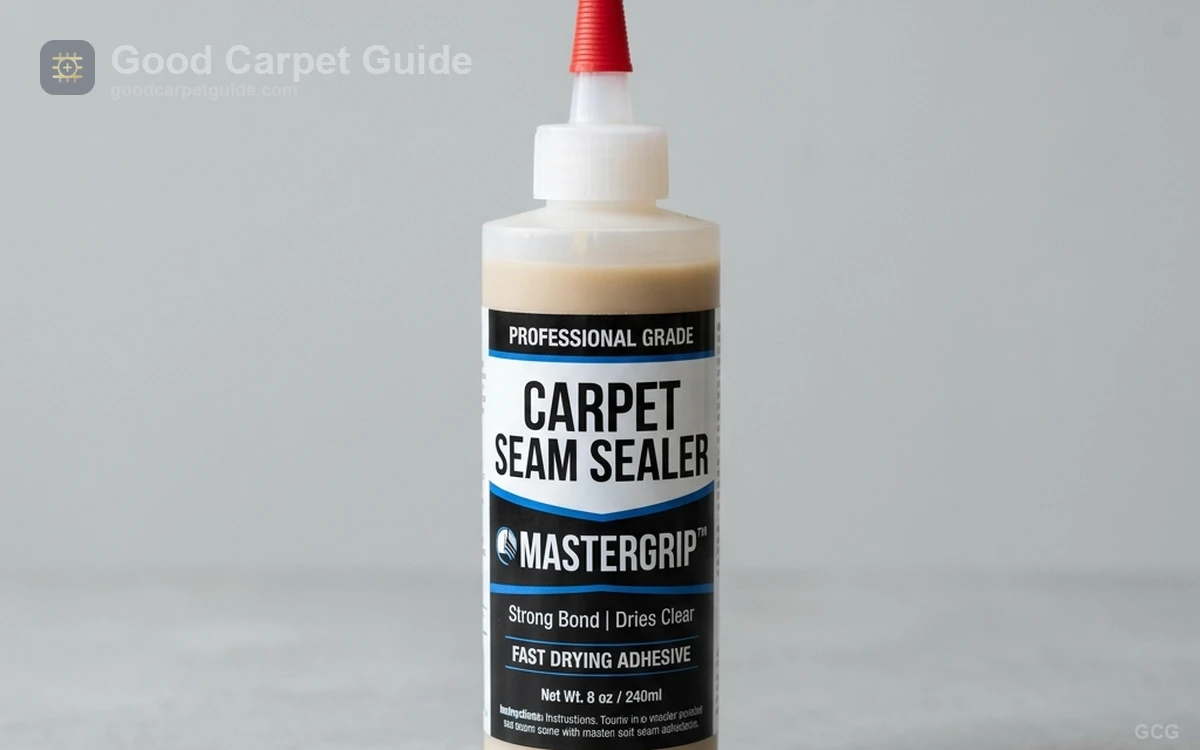
Roberts 8015 Universal Carpet Seam Sealer
Used for reinforcing fraying seam edges and preventing fiber unraveling after repair.
Check Price on Amazon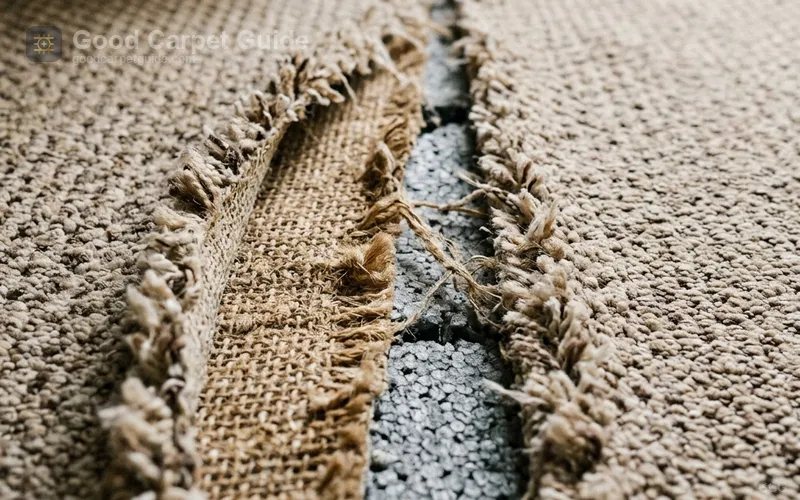
Seam separation zone where backing exposure forces installers to rebuild structural adhesion before pile blending.
Carpet seam ripped apart repair completes when seam line no longer reflects light differently than surrounding pile under standing view angle.
how to fix carpet seam repair
Carpet seam repair fixing process restores structural integrity by re-bonding seam tape and correcting installation-induced thermal or mechanical distortion.
Carpet seam repair fixing uses three dominant field methods depending on damage severity:
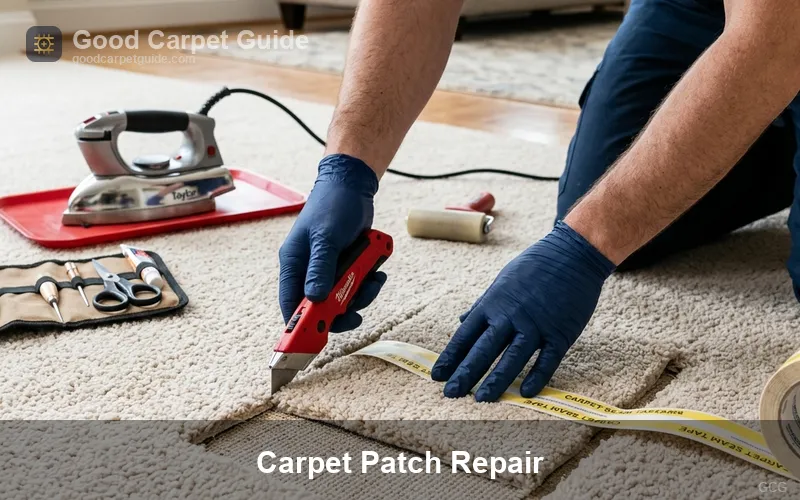
- Heat seam bonding method stabilizes factory-cut edges using controlled temperature seam irons or induction tools.
- Adhesive seam reactivation method rebuilds bonding strength when original glue remains partially intact.
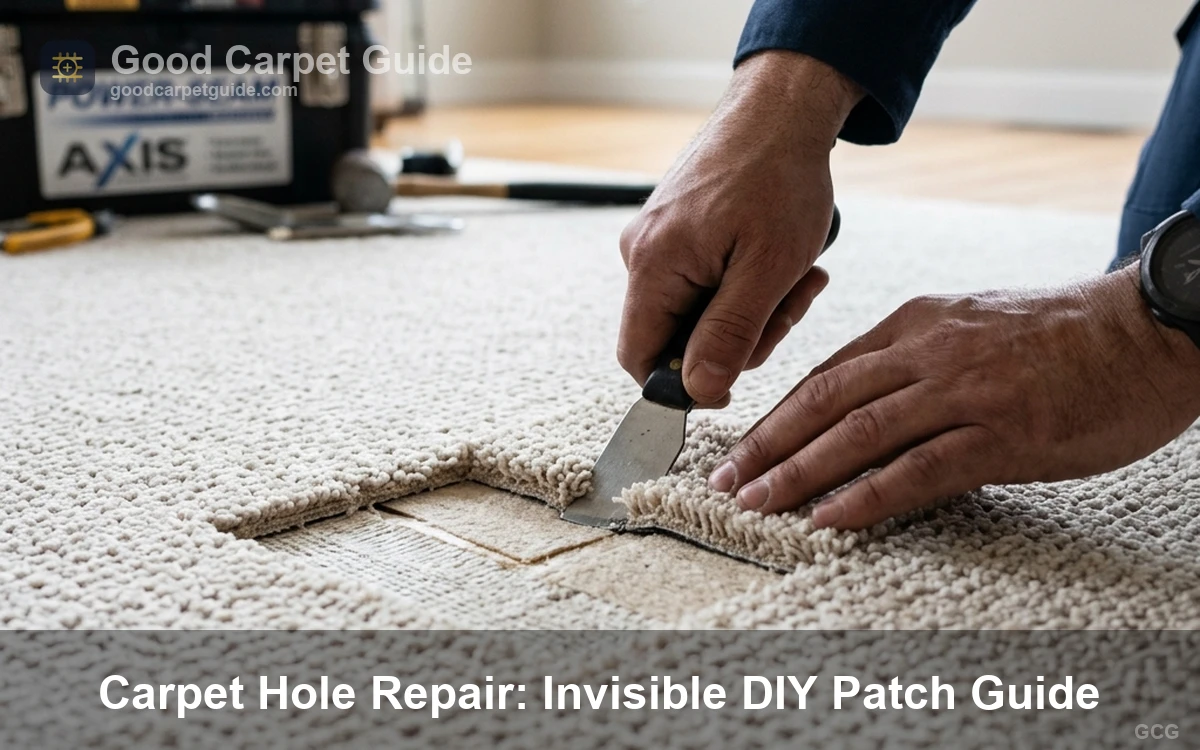
- Patch integration method replaces full seam segments using donor carpet sections when damage exceeds 20 cm.
Installer data shows seam failure often originates from overheating above 250°F, which causes backing shrinkage and pile flattening known as “seam peaking.” This creates a recessed shiny line that remains visible even after repair unless pile is mechanically re-balanced. When working on high-wear spots like steps, installers consult a best carpet for stairs guide to match seam stability with high-density padding standards.
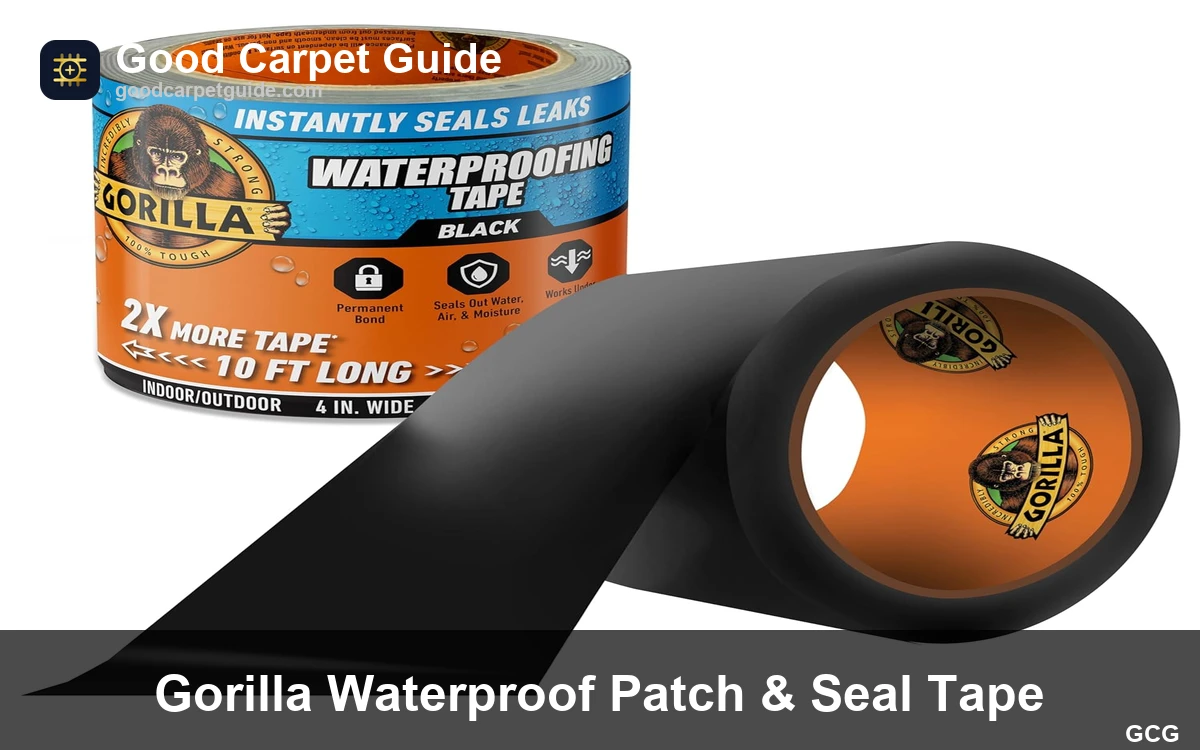
Gorilla Double Sided Carpet Tape
Provides strong temporary seam stabilization during carpet seam repair alignment work.
Check Price on AmazonCarpet seam repair effectiveness increases when installers avoid pocket knife double-cutting and instead use straight-edge cutting systems with row-finder alignment tools.
how to repair carpet seams that are coming apart without
Carpet seam repair without professional tools uses low-tech stabilization methods when seam tape or heat tools are unavailable.
Carpet seam repair without equipment follows a field emergency protocol used in rental turnovers and rapid fixes:
- Lift seam edge carefully without expanding tear width.
- Apply pressure-sensitive adhesive sparingly to exposed backing.
- Press seam edges together manually using weighted objects.
- Maintain compression for 6–12 hours to stabilize bond formation.
- Brush pile fibers outward to reduce visible seam line.
Carpet seam repair without seam iron fails when users apply PVA-based household glue. PVA adhesives dry into rigid, glass-like structures that crack under repeated foot load and permanently bond fibers to subfloor, preventing future professional restoration.
Composite installer reports show thick padding accelerates seam separation in these cases because excessive cushioning increases vertical shear movement across seam joints, leading to structural carpet delamination issues that sever the secondary backing.
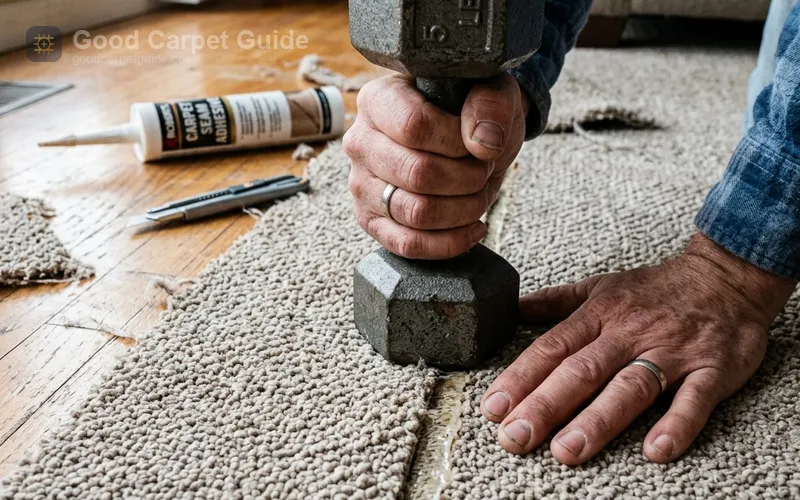
Manual seam stabilization method used when heat bonding tools are unavailable on-site.
Carpet seam repair without tools remains a temporary stabilization method rather than a permanent structural fix.
real reddit user experiences
Field reports from homeowners and installers reveal consistent failure patterns across carpet seam repair cases.
Real-world carpet seam repair discussions highlight three dominant problem clusters: installation shortcuts, doorway stress concentration, and adhesive instability.
- Installation shortcuts destroy seam integrity when installers double-cut thick pile carpet using knives instead of row-guided cutters, producing misaligned fiber edges that never fully hide seam lines.
- Doorway stress concentration splits seams because pivot motion applies lateral shear force directly on seam tape, especially in T-seamed transitions across hall thresholds.
- Adhesive instability hardens seams when low-grade seam sealers cure into rigid structures that crack under foot pressure.
A user complaint described visible seams appearing within months: “Carpet was cut with a pocket knife and it looks terrible,” reflecting improper cutting geometry rather than material failure.
Another report showed long-term dispute: “We are still fighting the company that laid it to fix it,” indicating delayed seam failure from insufficient bonding strength.
Installers attribute most visible seam cases to improper heat control rather than manufacturing defects, especially in mid-density synthetic carpets from Shaw, Mohawk, and Dreamweaver product lines. For glued-down installations in damp areas, checking a best carpet for basement guide ensures the adhesive selected can resist moisture migration.
installer vs manufacturer conflicts
Carpet seam repair disagreements between installers and manufacturers center on seam visibility definitions and warranty disclaimers.
Manufacturer documentation often defines seam visibility as non-defective, while installers define seam visibility as a technical failure of alignment and bonding.
Phenix Flooring warranty states: “ALL SEAMS ARE VISIBLE, THIS IS NOT A DEFECT,” which shifts responsibility away from installation precision. Certified floor inspectors contradict this by stating seams should remain visually neutral under standing light conditions when proper nap alignment and seam compression occur.
Installer field analysis identifies three structural causes of conflict:
- Seam peaking occurs when seam irons exceed thermal thresholds and distort backing polymers.
- Side match shading occurs when carpet dye lots or fiber orientation shifts create tonal mismatch across panels.
- Subfloor variation occurs when uneven concrete or excessive underlayment thickness causes vertical movement across seam joints.
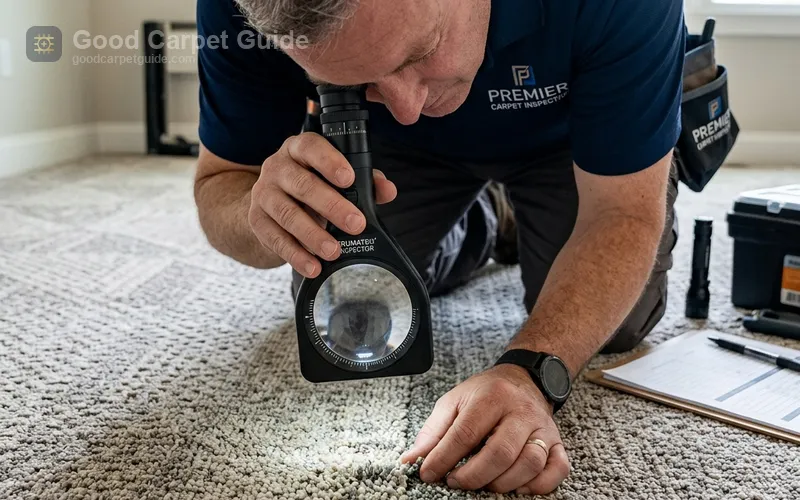
On-site inspection of seam alignment reveals shading mismatch caused by pile direction variance.
Carpet seam repair disputes often escalate when big-box installation teams subcontract labor, leading to inconsistent seam finishing standards.
Cost & Budget Considerations
Carpet seam repair cost structures depend on minimum dispatch fees, damage size, and labor intensity.
Carpet seam repair pricing in field operations follows fixed economic thresholds rather than linear pricing models:
- Average repair cost ranges from $134 to $283 depending on seam length and location.
- Standard patch repairs range from $150 to $250 for isolated seam failures.
- Room stretching services cost $100 to $140 per room when seam tension affects surrounding carpet structure.
- Minimum service call fees range from $100 to $450 depending on regional labor markets.
- Full replacement becomes preferable above 50% cost threshold compared to new installation pricing of $780 to $2,810 per room.
Carpet seam repair economics shift sharply in small jobs due to “truck roll” pricing logic, where mobilization cost dominates repair labor.
Big-box installation services priced around $3.7 per sqft often outsource labor, which reduces seam quality consistency. Local specialty installers charging $6.5–$8.5 per sqft typically include seam sealing and power stretching as standard practices.

Bissell Little Green Portable Carpet Cleaner
Supports post-repair cleaning and adhesive residue removal around carpet seam repair zones.
Check Price on AmazonFrequently Asked Questions (FAQ Schema)
can carpet seams be repaired
Carpet seam repair restores separated or visible seam lines using heat bonding, adhesive reinforcement, or patch replacement depending on damage depth and fiber structure.
how to repair carpet seams
Carpet seam repair uses alignment of pile direction, seam tape activation, and compression curing to rebuild structural continuity across carpet panels.
how to repair a bad carpet seam
Bad carpet seam repair replaces or re-bonds misaligned seam edges while correcting backing distortion caused by overheating or improper cutting.
how much carpet repair cost
Carpet seam repair costs typically range from $134 to $283, with small patch jobs reaching higher per-square-inch pricing due to minimum service fees.
when should you replace seam repair
Carpet seam replacement becomes necessary when seam damage exceeds 50% of room installation cost or when backing delamination spreads beyond localized repair zones.
final installer decision logic
Carpet seam repair performs best when damage remains localized, pile direction remains intact, and seam tape retains partial bonding strength. Carpet seam repair fails economically when damage spreads across multiple traffic lanes or when previous installation errors created structural distortion in backing layers.
Installers select repair over replacement only when seam integrity can be restored without altering surrounding carpet tension. Replacement becomes standard practice when seam peaking, delamination, or shading mismatch combines in the same installation zone.
Carpet seam repair therefore functions as a precision restoration task, not a cosmetic patch, and success depends on controlling heat, alignment, and backing stability in a single coordinated operation.