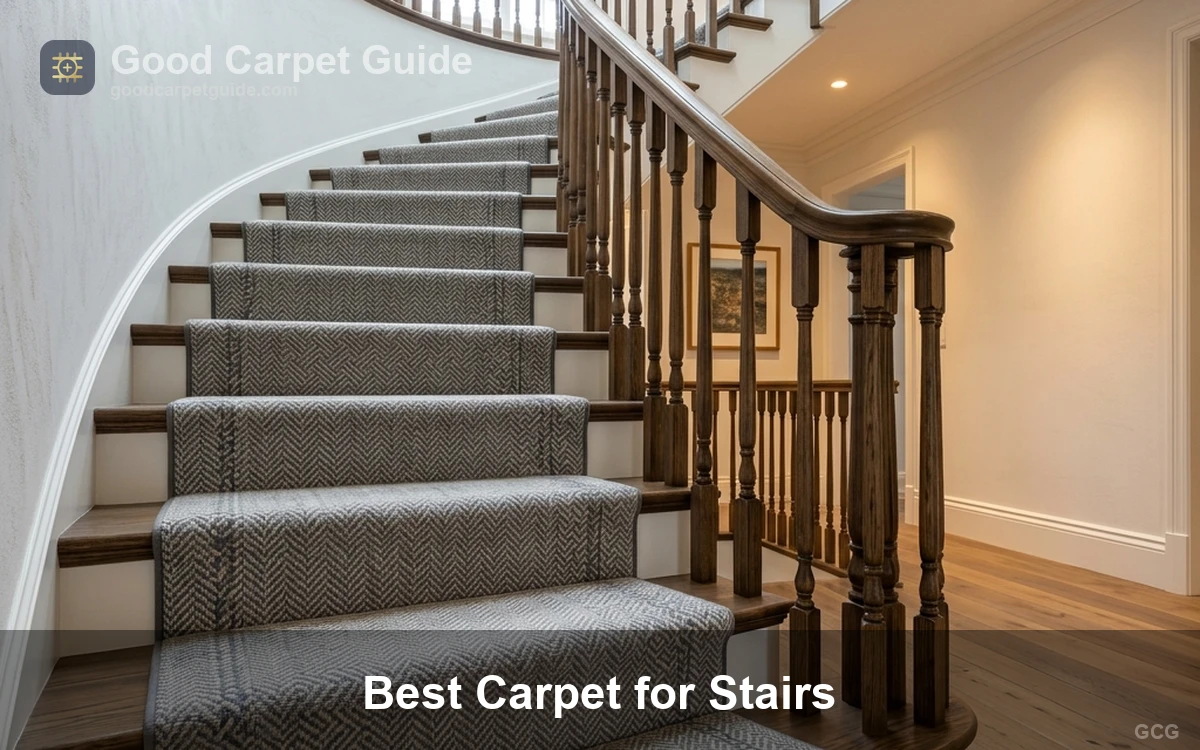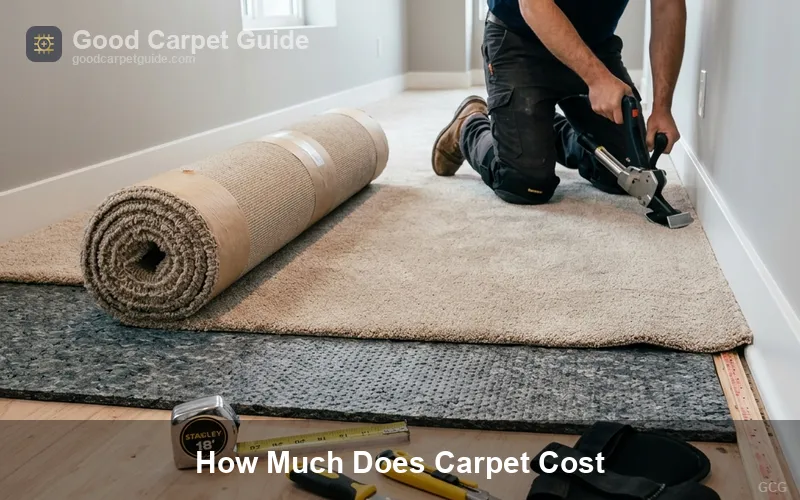
A residential staircase failure is documented during a post-installation inspection in a suburban home where how much does carpet cost becomes a secondary question after structural failure appears at the seam line. The carpet system shows premature crushing and yarn loss at the nosing line within 24 months. The initial project invoice revealed that the homeowner selected a budget polyester broadloom paired with a low-density 4-pound cushion to save 800 upfront. By year two, the crushed pile required complete replacement, turning an initial2,400 project into a $5,200 lifetime expense.
Carpet cost is not a single price variable on a showroom rack. True carpet cost is a multi-layer engineered system composed of fiber chemistry, backing structure, roll width geometry, underlayment compression physics, and certified installation labor.
How much does carpet cost per square yard vs square foot?
Carpet cost per square yard is calculated by multiplying the square foot price by 9, with broadloom residential carpet ranging from 18 to65 per square yard (2.00 to7.25 per square foot) for materials, and 35 to110 per square yard (3.90 to12.20 per square foot) fully installed. Carpet sold by the square foot often obscures the substantial impact of broadloom roll cut-off waste, whereas square yardage pricing aligns with standard manufacturing rolls.
Carpet cost conversion structure
Retailers quote carpet using two distinct units of measure. Understanding the mathematical relationship between square feet and square yards prevents confusion when comparing contractor estimates:
- Square Yard (sq yd): 1 square yard equals 9 square feet (a 3 ft × 3 ft square).
- To convert square feet to square yards: Divide total square footage by 9.
- To convert square yards to square feet: Multiply square yards by 9.
- To convert price per square foot to price per square yard: Multiply price per square foot by 9.
- To convert price per square yard to price per square foot: Divide price per square yard by 9.
Comprehensive carpet cost by fiber chemistry
The fiber polymer used in the face yarn represents between 45% and 65% of the total raw material expense. The table below details structural pricing segmentation across fiber types, density tiers, and installed benchmarks.
| Carpet Fiber Type | Material Cost (/sq ft) | Material Cost (/sq yd) | Fully Installed Cost ($/sq yd) | Structural Durability Driver | Expected Lifespan |
|---|---|---|---|---|---|
| Olefin (Polypropylene) | 0.80 –2.00 | 7.20 –18.00 | 25.00 –40.00 | Solution-dyed moisture resistance, zero crush recovery | 3 – 5 years |
| Polyester (PET) | 1.20 –3.00 | 10.80 –27.00 | 30.00 –52.00 | High chemical stain resistance, low mechanical resilience | 5 – 8 years |
| Triexta (PTT / SmartStrand) | 2.50 –5.00 | 22.50 –45.00 | 48.00 –78.00 | Permanent hydrophobic core, moderate crush recovery | 10 – 15 years |
| Nylon (Type 6 & 6,6 BCF) | 2.80 –6.50 | 25.20 –58.50 | 52.00 –95.00 | High hydrogen-bonded polymer rebound, severe abrasion resistance | 12 – 18 years |
| Wool (Natural Woven) | 6.00 –20.00 | 54.00 –180.00 | 90.00 –240.00 | Natural 3D protein crimp, inherent flame and soil resistance | 20 – 30+ years |
Carpet cost increases rapidly when density increases faster than pile height. Conversely, carpet cost drops when manufacturers inflate pile height with low-twist, hollow yarns to create deceptive showroom softness.
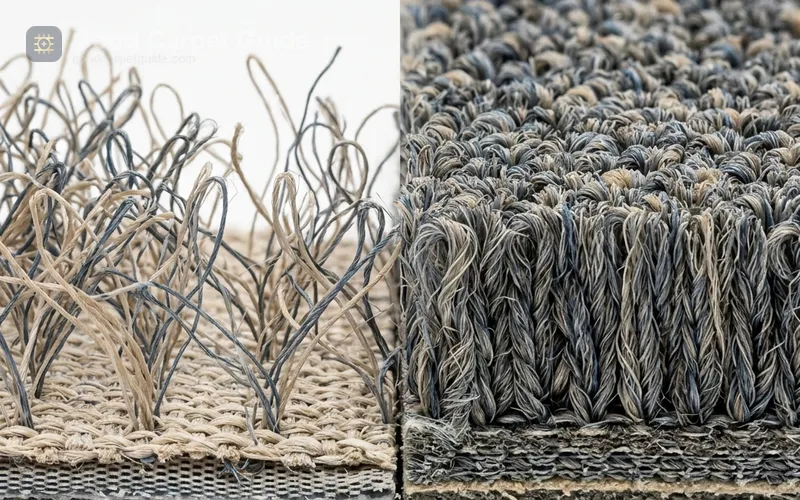
Carpet cost per square yard directly reflects tuft density and backing reinforcement rather than superficial pile softness on showroom sample boards.
Core technical price drivers: density, twist, and construction
Two rolls of carpet in a flooring showroom can look nearly identical to the untrained eye yet carry a 300% price difference. Four structural engineering specifications dictate why that price divergence exists:
1. Fiber polymer chemistry
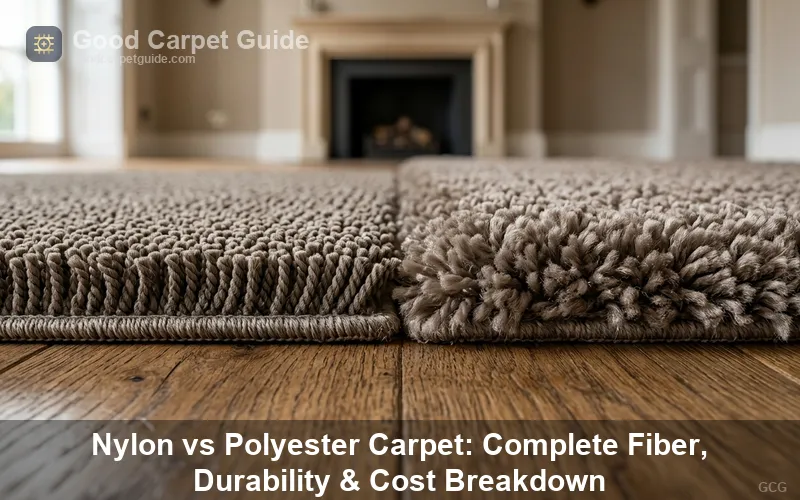
Synthetic polymers differ drastically in raw pellet sourcing and molecular structure. Olefin and standard PET polyester melt at lower temperatures and lack hydrogen bonds, meaning once traffic bends the fiber, it stays bent. Solution-dyed Nylon 6,6 uses tight polymer chains that snap back under heavy foot traffic. Wool requires complex shearing, scouring, and spinning processes that command an inherent material premium. For an exhaustive analysis of synthetic fiber mechanics, read our technical breakdown on nylon vs polyester carpet performance .
2. Tuft density vs face weight
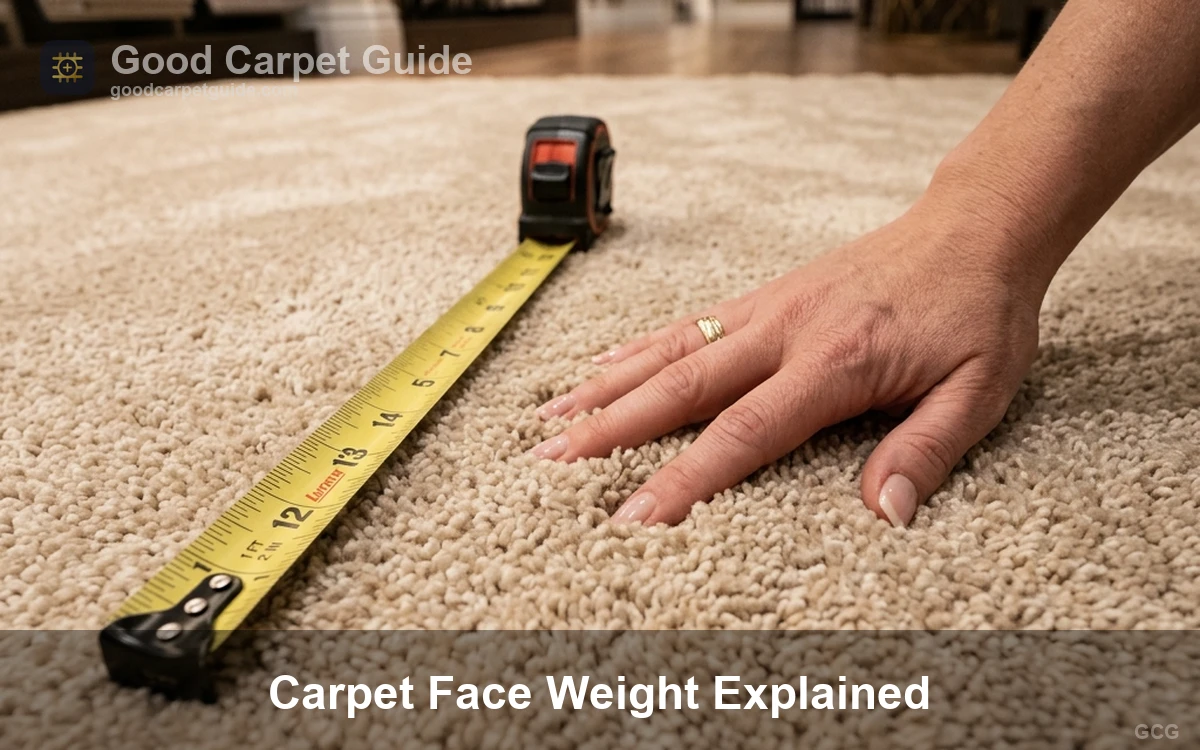
Face weight is simply the number of ounces of yarn per square yard. Many budget carpets boast a 60-ounce face weight by using tall, loosely packed strands that crush within two years. Tuft density measures how tightly those yarns are packed together in ounces per cubic yard. A 40-ounce high-density carpet with a density rating of 3,200 outlasts and outperforms a loose 60-ounce carpet with a density rating of 1,800 every single time. Learn how to calculate true density values in our reference on carpet density explained .
3. Yarn twist level (TPI)
Twist level refers to the number of turns per inch (TPI) made along the length of each individual tuft. Budget broadlooms have a low twist rate between 2.5 and 3.5 TPI. Under foot pressure, the tips untwist, bloom, and mat together. High-performance residential carpets feature a twist rate between 5.0 and 6.5 TPI, heat-set to lock the memory of the twist permanently into the yarn.
4. Backing and tufting architecture
Broadloom carpet is manufactured either through tufting (punching yarn loops into a woven polypropylene primary backing and locking them with SBR latex adhesive) or weaving (weaving face yarn and backing together on Axminster or Wilton looms). Woven carpets require zero latex adhesive and resist backing delamination indefinitely, commanding material prices above $75 per square yard.
Carpet Price vs Performance Matrix:
High Price ($)  |  [Wool Woven]        [Nylon 6,6 High-Density]
                  |
Mid Price ()    |  [Triexta PTT]       [Nylon Type 6 Mid-Density]
                  |
Low Price ($)     |  [PET Polyester]     [Olefin / PP Loop]
                  +----------------------------------------------
                         Low Durability           High Durability
The 4-step room measuring and estimating framework
To avoid overpaying for carpet, you must calculate accurate yardage before inviting salespeople into your home. Follow this 4-step professional measurement protocol:
Step 1: Draw a scale floor plan
Sketch every room, hallway, closet, and entryway on a pad of paper. Note door swings, closet alcoves, and transitions to hard surface flooring. Label all wall lengths clearly.
Step 2: Measure maximum length and width
Measure along the floor from baseboard to baseboard at the longest point in both directions. Always round measurements up to the nearest half-foot (0.5 ft). For example, if a bedroom measures 11 feet 4 inches by 13 feet 8 inches, record the dimensions as 11.5 feet by 14.0 feet. Rounding up ensures you do not run short during power stretching and trimming.
Step 3: Calculate square footage and convert to square yards
Multiply the rounded length by the rounded width for each room, sum the totals, and divide by 9:
Square Footage = Length (ft) × Width (ft)
Net Square Yards = fracTotal Square Footage9
Step 4: Add waste and roll geometry allowance
Broadloom carpet is manufactured in fixed continuous rolls, typically 12 feet wide (with select styles in 15 feet). Carpet cannot simply be poured into a room like concrete. The pile must run in the exact same direction throughout adjoining spaces to avoid optical shading differences.
- Standard rectangular rooms: Add 5% to 8% for cut-off waste and perimeter trimming.
- Complex layouts, closets, and angled rooms: Add 10% to 12% waste.
- Patterned carpet (Berber loop, trellis, or geometric cut-and-loop): Add 15% to 20% to accommodate pattern repeat alignment along seam cuts.
Broadloom Roll Geometry & Waste Example (12' Roll):
+------------------------- 12' Roll Width -------------------------+
|                                                      |  WASTE     |
|             Room Area: 10.5' x 14'                   |  1.5' Cut  |
|             (147 sq ft = 16.3 sq yds)                |  Off       |
|                                                      |  (21 sq ft)|
+------------------------------------------------------+------------+
| Total Ordered: 12' x 14' = 168 sq ft (18.6 sq yds)               |
+-------------------------------------------------------------------+
Cost decomposition: unbundling materials, cushion, and labor
A transparent flooring proposal separates charges into distinct line items. Never accept a single lump-sum quote that conceals what you are paying for each component. A professional estimate decomposes into four core variables:
Total Project Cost = (Carpet Material × Gross Area) + (Cushion × Net Area) + (Installation Labor × Gross Area) + Ancillaries
1. Cushion and underlayment (0.40 to1.50 per sq ft)
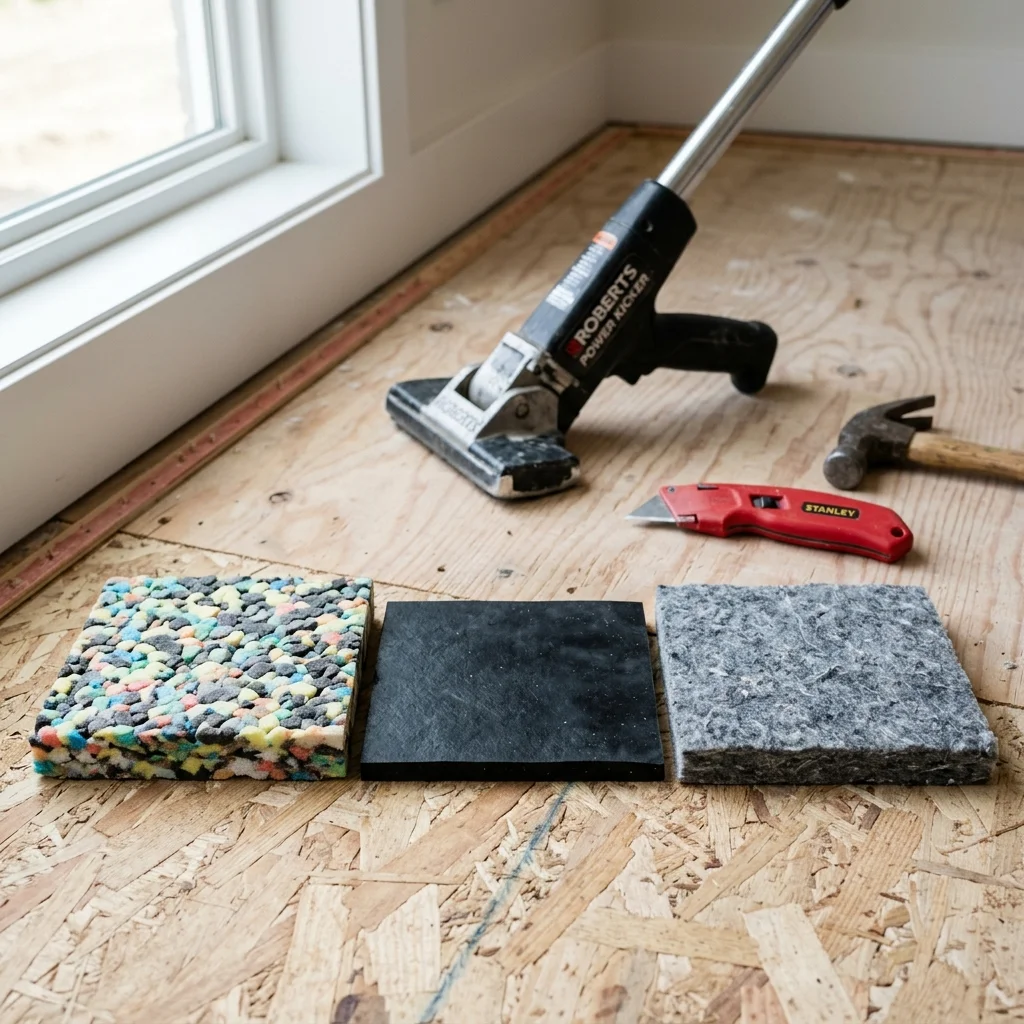
Carpet padding absorbs the impact of foot traffic, protecting the backing and subfloor from mechanical shock. Using a low-density 4-pound or 6-pound cushion under a quality carpet voids most manufacturer wear warranties. Quality residential installations require an 8-pound density rebond pad at a thickness of 7/16-inch or 3/8-inch. For detailed technical specifications across cushion types, consult our master guide on carpet padding options .

Leggett & Platt Napa 8 lb Carpet Padding
High-density 8-pound rebond cushion with SpillSafe barrier required to maintain residential carpet wear warranties.
Check Price on Amazon2. Certified installation labor (0.80 to2.00 per sq ft)
Professional carpet installation involves power stretching, seaming, perimeter tack strip fastening, and wall trimming. Certified installers (CFI certified) use power stretchers with extension tubes spanning wall-to-wall to achieve standard 1% to 1.5% drum-tight tension, preventing loose ripples and premature wear.
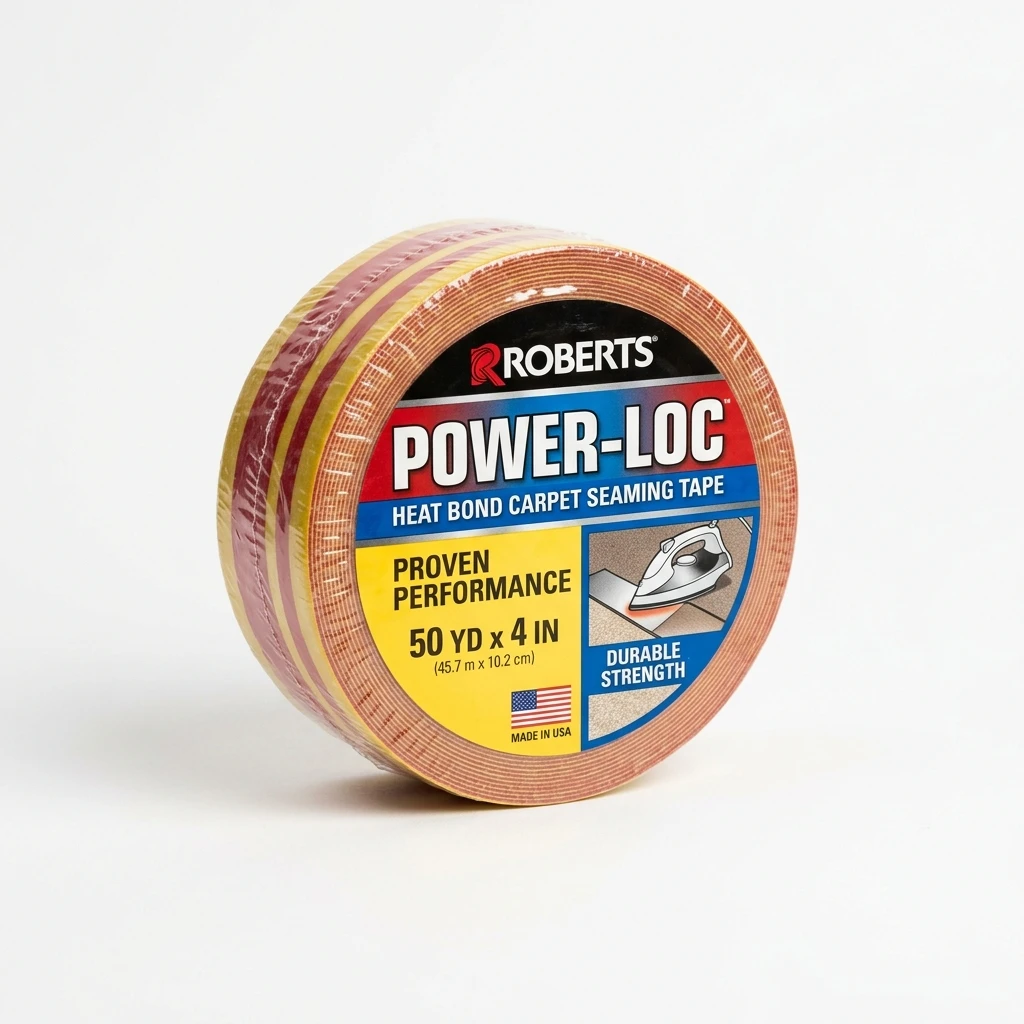
Roberts Power-Loc Hot Melt Seaming Tape
Commercial-grade thermoplastic seaming tape used to prevent seam peaking and unraveling along broadloom transitions.
Check Price on Amazon3. Ancillary labor charges
Standard square foot labor rates cover basic floor installation on clear, clean subfloors. Complex projects incur itemized ancillary fees:
- Tear-out and haul-away of old carpet/pad: 0.25 –0.50 per sq ft.
- Stairs installation labor: 12 –30 per step (waterfall style is 12–18; upholstered cap-and-band runner is 20–30).
- Furniture moving: 30 –75 per room (heavy items such as pianos or entertainment centers incur separate fees).
- Subfloor preparation / squeak screw-down: 0.35 –0.75 per sq ft.
- Doorway transition thresholds (metal, wood, or Z-bar): 15 –35 per doorway.
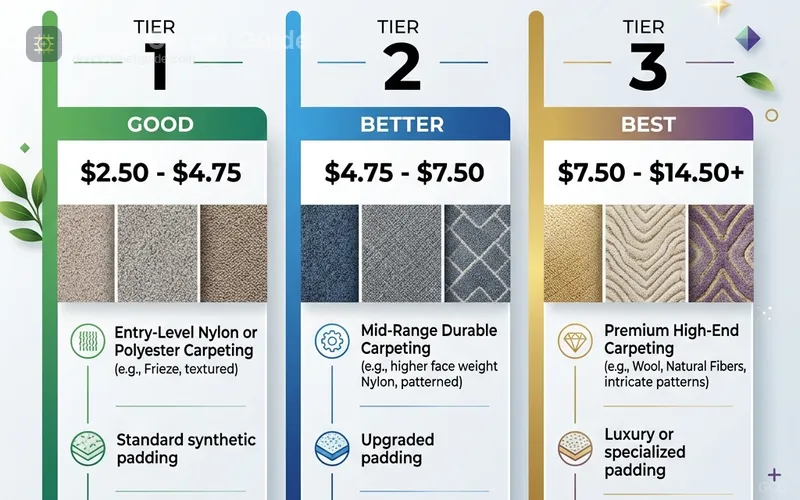
Breakdown of installed cost tiers comparing budget, standard residential, and high-performance commercial-grade installations.
Retailer quoting traps and how to defend your budget
Flooring sales representatives are incentivized to protect store margins. Be vigilant against these three prevalent retail pricing practices:
Trap 1: The gross yardage padding and labor surcharge
Broadloom roll waste is inevitable. If your home has 90 square yards of floor area, the 12-foot roll layout might require purchasing 105 square yards of carpet. Unethical retailers frequently calculate your padding and installation labor on the gross 105 square yards, charging you for 15 square yards of pad and labor that end up in the installer's dumpster.
- Defense: Insist that padding and labor fees reflect only the net measured floor area, not the gross material roll yardage.
Trap 2: The "free installation" and padding illusion
Big box home centers frequently advertise whole-house installation for $99 or free padding promos. Contractors do not work for free. Retailers offset this loss by inflating the carpet material markup by 20% to 35%, bundling low-grade 4-pound scrap cushion that accelerates carpet crushing, or inflating mandatory accessory charges for transitions and disposal.
- Defense: Demand an unbundled line-item estimate comparing their "free installation" package against raw material pricing.
Trap 3: Low-bid subcontractor speed cuts
Discount retailers rely on high-volume subcontractors paid flat piecewise rates (0.45 to0.65 per sq ft). Installers working at these rates use knee-kickers instead of power stretchers, skip seam sealer along cut tuft edges, and leave insufficient perimeter gully clearance at tack strips. The resulting carpet wrinkles within 18 months.
- Defense: Confirm in writing that the installation crew complies with CRI-105 standard requirements, including full power-stretcher tensioning and thermoplastic seam sealing.
Room-by-room cost calculator benchmarks
Project pricing varies significantly across room footprints and labor complexities. The following itemized models reflect standard residential installations in the current market:
+------------------------------------------------------------------------------------+
|                      RESIDENTIAL CARPET COST CALCULATOR MATRIX                     |
+------------------------+-------------+------------------+--------------------------+
| Room Type              | Net Area    | Budget PET Tier  | Premium Nylon 6,6 Tier   |
+------------------------+-------------+------------------+--------------------------+
| Small Bedroom (10x12)  | 120 sq ft   | 420 –650      | 850 –1,350            |
| Master Bedroom (14x16) | 224 sq ft   | 780 –1,200    | 1,600 –2,500          |
| Living Room (16x20)    | 320 sq ft   | 1,150 –1,750  | 2,300 –3,600          |
| Flight of Stairs (13)  | 75 sq ft    | 450 –750      | 850 –1,450            |
| Whole Home (3 Bed/Liv) | 1,500 sq ft | 5,200 –8,200  | 10,800 –16,900        |
+------------------------+-------------+------------------+--------------------------+
1. Small Bedroom (10' × 12' — 120 Net Sq Ft / ~16 Gross Sq Yds)
- Carpet Material (Nylon 6,6 BCF, 40 oz): 480 (30/sq yd gross)
- Cushion (8 lb Rebond, 7/16"): 84 (0.70/sq ft net)
- Installation Labor: 150 (1.25/sq ft net)
- Tear-out and Haul-away: 45 (0.38/sq ft net)
- Total Estimated Cost: 759 installed (6.32 per net sq ft)
2. Large Living Room (16' × 20' — 320 Net Sq Ft / ~40 Gross Sq Yds)
Because broadloom rolls come in 12-foot widths, a 16-foot wide room requires a primary 12' × 20' run plus a 4' × 20' seam fill, generating cut-off waste:
- Carpet Material (Nylon 6,6 BCF, 45 oz): 1,400 (35/sq yd gross)
- Cushion (8 lb Rebond, 7/16"): 224 (0.70/sq ft net)
- Installation Labor (including 20-foot seam): $450
- Tear-out and Subfloor Squeak Prep: $160
- Total Estimated Cost: 2,234 installed (6.98 per net sq ft)
3. Flight of Stairs (13 Treads and Risers)
Stair installations are labor-intensive architectural features that require dense low-profile carpet and specialized staple fastening. Review our dedicated guide on best carpet for stairs for fiber and traction recommendations:
- Carpet Material (25 sq yds cut roll): $450
- Dense Stair Cushion (8 lb 3/8" flat): $75
- Per-Step Custom Labor (22/step):286
- Tack Strip and Metal Edge Binding: $65
- Total Estimated Cost: $876 installed
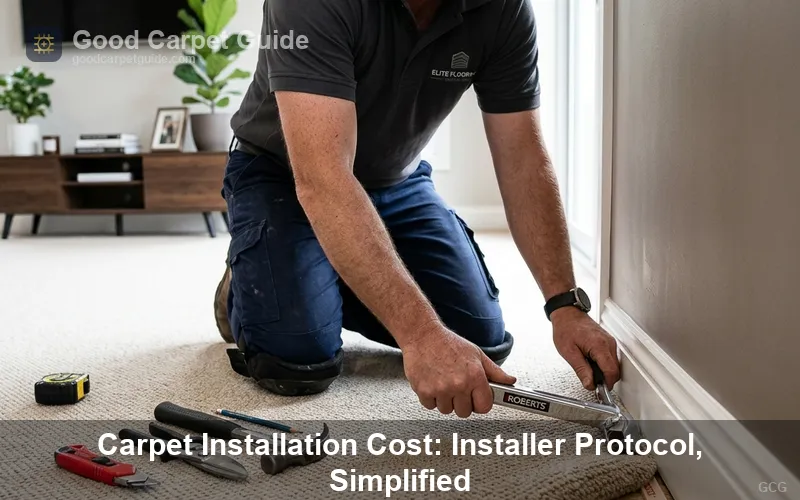
Itemized cost calculator mapping out the relationship between fiber tier, padding density, and labor specifications across total square footage.
Warranty requirements and long-term lifecycle economics
The upfront purchase price of carpet accounts for only a fraction of its total 15-year ownership cost. Low-priced carpets carry higher lifecycle costs because their rapid mechanical degradation forces early replacement.
15-Year Lifetime Cost Comparison:
Budget Polyester System:
  Initial Install: $3,200 (Year 0)
  Replacement #1:  $3,800 (Year 6)
  Replacement #2:  $4,500 (Year 12)
  Total 15-Year Outlay: $11,500

Quality Nylon 6,6 System:
  Initial Install: $5,800 (Year 0)
  Professional HWE Cleanings: $1,200 (Over 15 Years)
  Total 15-Year Outlay: 7,000 (Saves4,500 over 15 years)
Warranty fine print protection
To preserve your 10-to-25 year manufacturer wear warranties, you must satisfy three mandatory maintenance conditions:
- Mandatory Steam Cleaning: Professional hot-water extraction (HWE) must be performed by an IICRC-certified technician every 12 to 18 months. Keep every receipt on file.
- CRI Green Label Equipment: Periodic maintenance between professional visits requires carpet cleaning appliances and spot removers certified under the Carpet and Rug Institute (CRI) Seal of Approval program.
- Cushion Density Thresholds: The padding must meet minimum manufacturer density ratings (typically minimum 6 lbs residential, 8 lbs recommended). Installing a 4 lb cushion immediately voids fiber crushing and texture retention warranties.
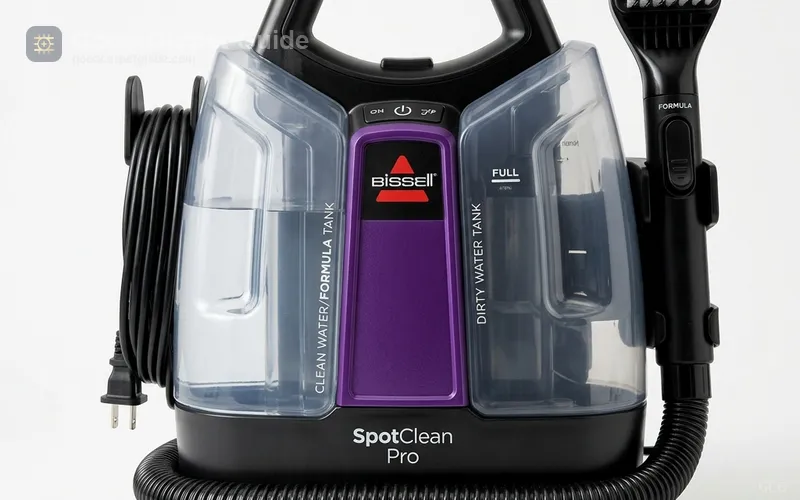
Bissell SpotClean Pro Portable Cleaner
Professional-grade spot extractor required to maintain carpet fiber warranty compliance between annual steam cleanings.
Check Price on AmazonFrequently asked questions
Review these contractor-verified answers to resolve common budgeting, measuring, and installation questions before requesting formal contractor bids.
What is the average cost to carpet a 10x12 room?
The average cost to carpet a 10x12 bedroom ranges from 550 to950 fully installed with mid-grade nylon carpet and an 8-pound rebond pad. High-end wool or premium pattern carpets can exceed $1,400 for the same footprint.
Is carpet priced by the square foot or square yard?
Carpet manufacturers and distributors price broadloom by the square yard, but retail flooring stores frequently display pricing by the square foot to make costs appear comparable to laminate or vinyl tile. Multiply square foot prices by 9 to determine square yard costs.
Why is stair carpet installation charged separately?
Stairs require intensive manual labor. Installers must custom cut treads and risers, wrap nosings tightly, hand-staple under the lip, and tension each step individually. Contractors charge a separate stair rate ranging between 12 and30 per step on top of material expenses.
How much waste should I expect when ordering carpet?
Expect 5% to 10% waste on rectangular room layouts. In complex L-shaped rooms, hallways with numerous doorways, or rooms requiring pattern matching, cut-off waste can reach 15% to 20% due to broadloom roll width constraints and pile direction alignment.
Can I save money by keeping my old carpet padding?
Never reuse old carpet padding. Used padding harbors dead skin cells, pet dander, dirt, and crystallized urine salts. More importantly, foam cells collapse permanently under foot traffic paths after 5 to 7 years. Laying new carpet over worn, compressed padding voids manufacturer warranties and causes the new carpet to flex and fatigue prematurely.
Conclusion: engineering your flooring budget
Carpet pricing should never be evaluated on showroom surface softness alone. Lasting flooring value is determined by fiber recovery chemistry, high tuft density, certified power-stretch installation, and resilient underlayment.
When bidding your flooring project:
- Request an unbundled written estimate separating carpet, pad, labor, and prep.
- Measure your net floor dimensions and ensure you are only paying labor and padding on net area.
- Specify solution-dyed Nylon 6,6 or Triexta for active living areas and stairs.
- Pair your broadloom with a minimum 8-pound density cushion to protect seam integrity and guarantee full manufacturer warranty coverage.