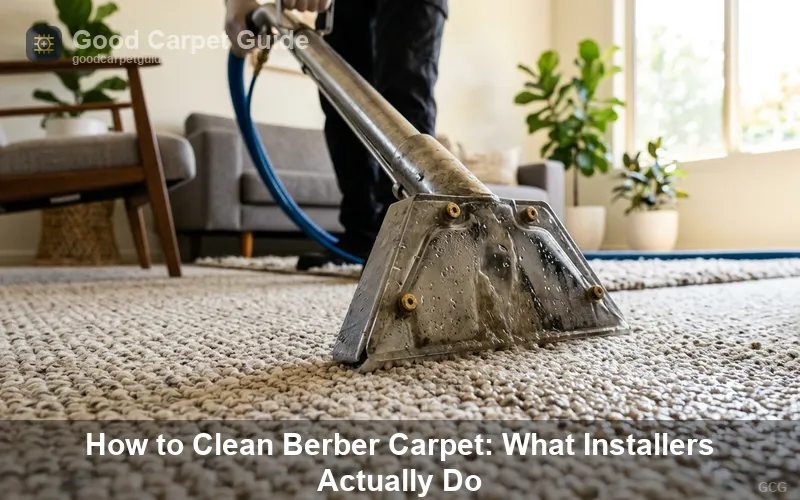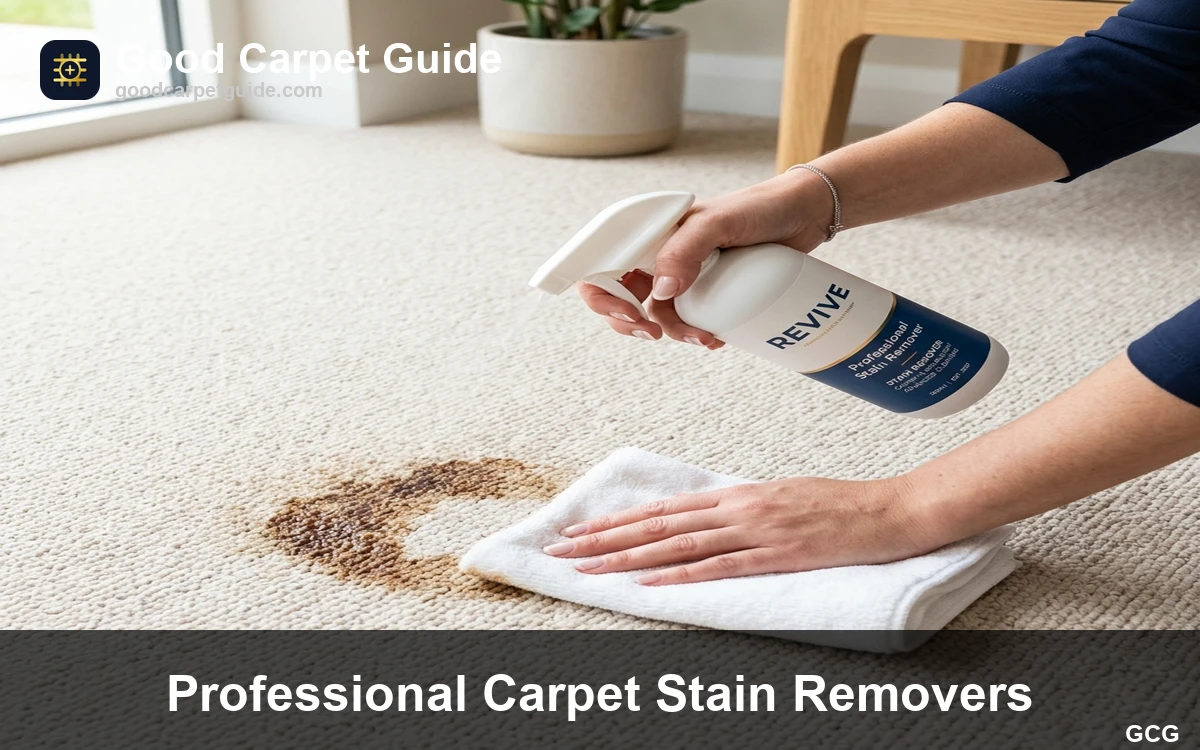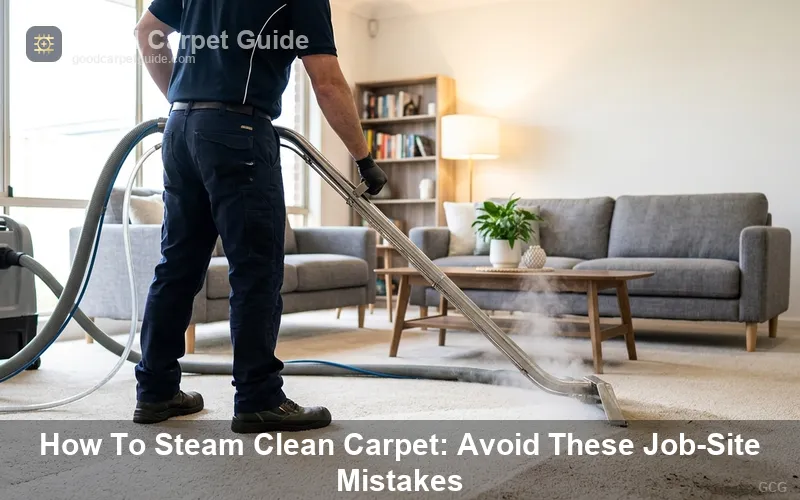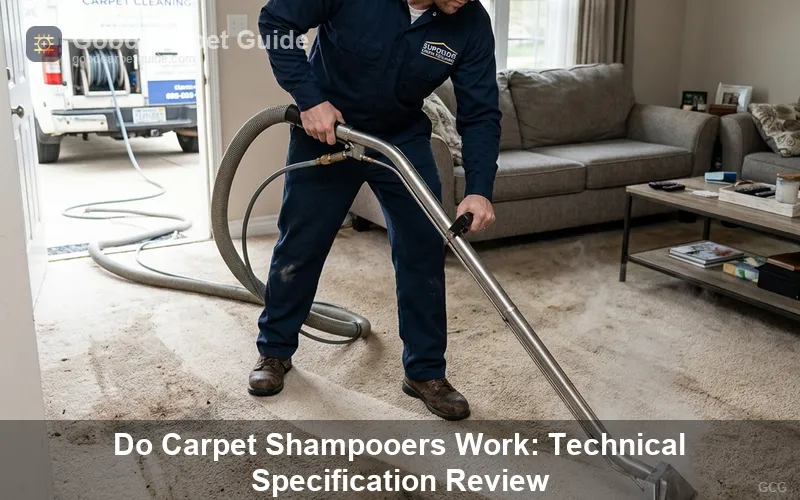
Five carpet cleaning systems dominate the residential and commercial market: hot water extraction, very low moisture encapsulation, bonnet cleaning, dry powder compound, and carbonated cleaning. Hot water extraction removes an estimated 95–98% of embedded soil per IICRC S100 standards, the highest of the five, and is the process behind most CRI Seal of Approval deep-cleaning extractors. Encapsulation removes roughly 75–85% on commercial low-pile installations and dries in 30–90 minutes. Bonnet cleaning pulls only 50–65% of soil from the surface and pushes the rest deeper into the backing. The right choice depends on fiber chemistry, moisture tolerance of the backing, and available dry time before foot traffic resumes.
By Savaş Ateş, Senior Flooring Inspector
the 5 carpet cleaning methods: mechanical and chemical comparison
Each method trades soil removal efficiency against water volume, dry time, and mechanical risk to the fiber. The table below draws on truckmount manufacturer specifications and industry cleaning references.
| Method | Water Volume (per 1,000 sq ft) | Operating Temp | Working Pressure | Suction Lift | Dry Time | Soil Extraction Efficiency | CRI Approval | Cost/sq ft |
|---|---|---|---|---|---|---|---|---|
| Hot Water Extraction (Truckmount) | 15-35 gal | 180-220°F at wand | 350-500 PSI (cut-pile) | 200-300 in. H2O | 4-12 hrs | 95-98% | Gold/Platinum SOA | $0.30-$0.55 |
| Carbonated (HCE) | 4-8 gal | 110-140°F | Low-volume vacuum | Standard portable | 1-3 hrs | 80-88% | Approved | $0.25-$0.45 |
| Very Low Moisture (Encapsulation) | 1.5-3.5 gal | Ambient | 30-50 PSI spray bar | Standard | 30-90 min | 75-85% commercial | Commercial maintenance approved | $0.15-$0.30 |
| Dry Powder / Absorbent Compound | 0 gal added | Ambient | N/A | 90+ in. H2O needed | 0 min | 60-70% | Approved | $0.20-$0.35 |
| Bonnet Cleaning | 2-5 gal | Ambient | 175 RPM pad friction | Standard | 1-2 hrs | 50-65% surface only | Not recommended residential | $0.10-$0.20 |
Hot water extraction leads the matrix on soil removal but demands the longest dry window. Bonnet cleaning ranks last on extraction depth and carries a documented fiber damage risk on residential cut-pile. The full mechanical procedure for the top-performing method is covered in our technical guide on how to steam clean carpet .
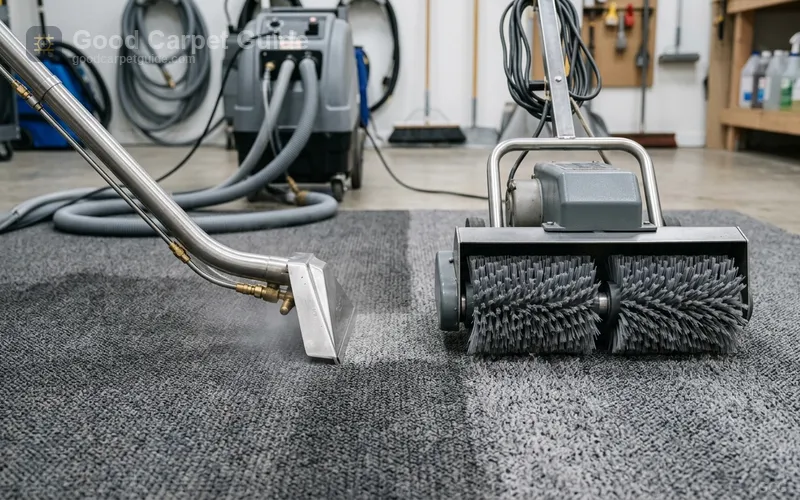
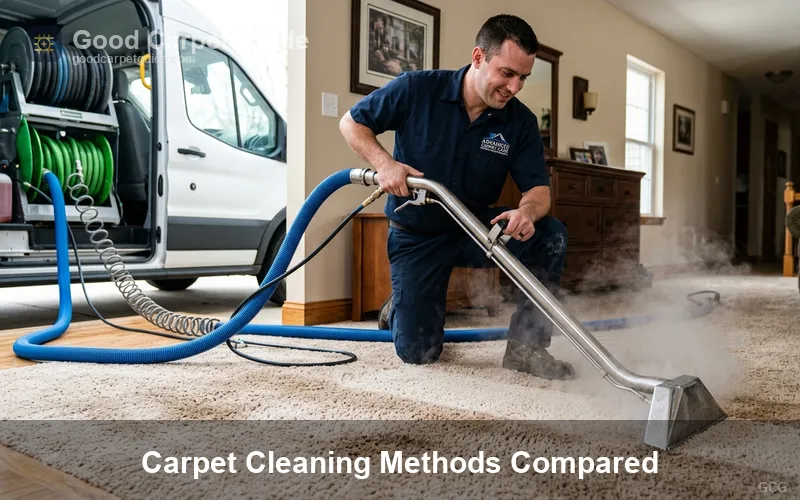
Figure 1: Hot water extraction wands inject solution under high thermal energy and vacuum lift, while low-moisture encapsulation relies on counter-rotating brush mechanical agitation.
hot water extraction: the truckmount mechanism
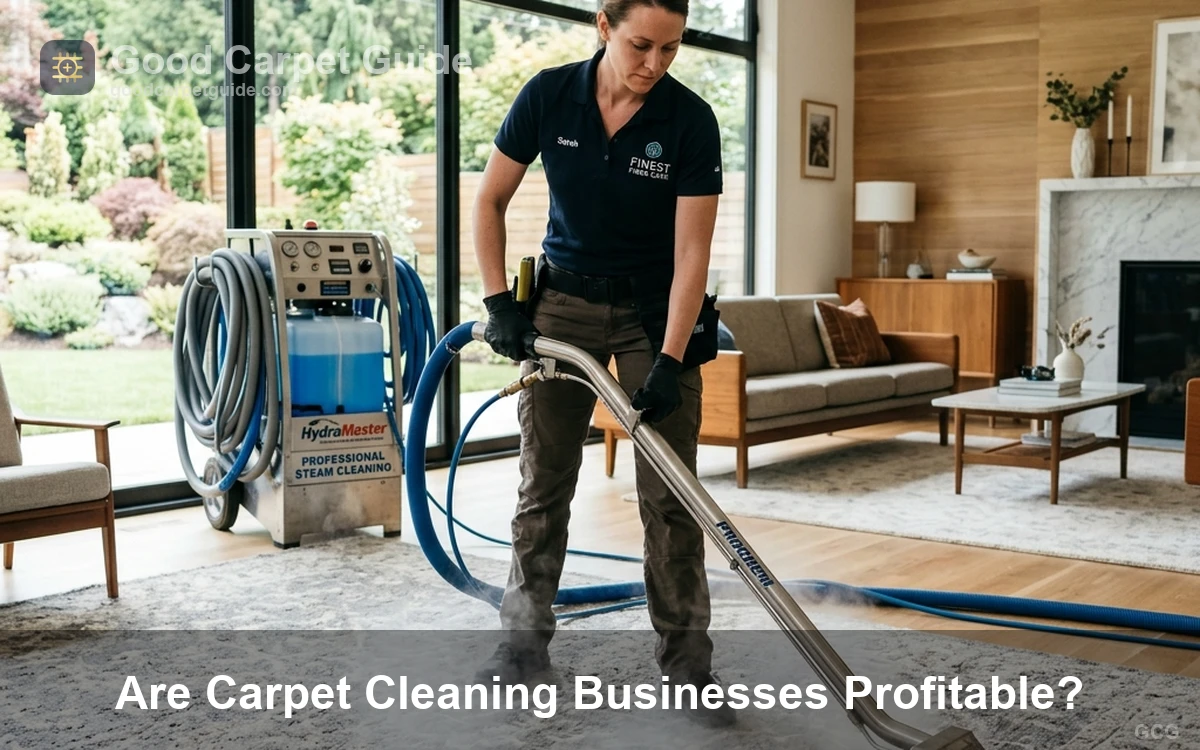
Hot water extraction injects heated rinse solution into the pile at 180-220°F at the wand tip, with heat exchangers on industrial truckmounts sustaining 220-240°F at the manifold. A positive-displacement blower generates 200-300 in. H2O of vacuum lift on units running 26.5+ HP, pulling the solution back out within seconds of injection. This immediate inject-and-extract cycle is the basis for CRI's higher Seal of Approval tiers, which require minimum suction and temperature thresholds.
carbonated cleaning: co2 micro-bubble lift
Carbonated cleaning heats an effervescent solution to 110-140°F. Microscopic CO2 bubbles penetrate the fiber shaft and lift grease particulate to the surface, where a low-volume vacuum pulls it out. Water consumption drops to 4-8 gallons per 1,000 sq ft, well below a typical portable hot water extraction unit. Soil extraction lands around 80-88%, below truckmount hot water extraction but with a shorter 1-3 hour dry window.
encapsulation: polymer crystallization on the fiber
Encapsulation applies fluorochemical or acrylic co-polymer surfactants through a counter-rotating brush (CRB) machine at 30-50 PSI spray bar pressure. As the polymer dries, it locks soil particles into brittle microscopic crystals that detach and lift out during the next dry vacuum pass. Water volume stays under 3.5 gallons per 1,000 sq ft, and dry time runs 30-90 minutes — short enough to earn CRI approval for commercial maintenance schedules with restricted occupied-space downtime.
bonnet cleaning: surface friction transfer
A rotary floor buffer spins an absorbent cotton or microfiber pad at 175 RPM across a surfactant-saturated carpet surface. Mechanical friction transfers soil from the fiber tips to the pad. Extraction efficiency tops out around 65% because the process only reaches the exposed pile tips. Deep soil gets pushed further into the backing, and the frictional shear stress blooms and untwists heat-set yarn on residential cut-pile.
dry powder compound: zero-moisture absorption
The dry-compound system brushes saturated organic micro-sponges, wood pulp, or polymeric granules soaked in solvent and mild detergent into the pile using twin cylindrical brushes. The compound absorbs soil on contact and is removed by dry vacuuming. Zero added liquid water means zero dry time and immediate foot traffic clearance. Vacuum lift under 90 in. H2O leaves powder residue trapped at the carpet base, so extraction equipment selection matters as much as the compound itself.
the physics and chemistry of extraction: tact principles across carpet fibers
ANSI/IICRC S100 defines the TACT variables governing every wet extraction method: Temperature, Agitation, Chemical action, and Time. Every 18°F (10°C) rise in solution temperature roughly doubles chemical reactivity, so a 200°F truckmount emulsifies petroleum-based soils far faster than cold water. Agitation from counter-rotating brushes or wand strokes separates soil from the fiber surface. Surfactants drop water's surface tension from about 72 dynes/cm to 25-30 dynes/cm, and a pre-spray dwell time of 8-15 minutes gives the chemistry room to dissolve soil before rinse and extraction.
nylon 6 and nylon 6,6: temperature limits and acid-dye blocker protection
Nylon's amide bond (-NH-CO-) hydrolyzes under alkaline conditions at pH 10.0 or higher combined with temperatures above 125°F. The resulting hydrolysis can reduce tensile strength significantly and strip the factory fluorochemical acid-dye blockers used in branded systems like Stainmaster. A safe processing window holds pH between 7.0 and 9.0 with rapid acidic neutralization immediately after the alkaline pre-spray step.
polyester and olefin: lipophilic binding and thermal melting thresholds
Polyester (PET) and polypropylene (olefin) resist chemical attack across a wide pH range up to 12.0, but both fibers carry a strong lipophilic affinity for oils. Oil molecules bond to the polyolefin chain through van der Waals forces, so D-limonene or ester-based high-solvency pre-sprays outperform standard alkaline detergents on these fibers. Olefin's low thermal transition temperature, roughly 260-300°F, means high-speed dry rotary friction from bonnet pads can melt individual fiber tips.
wool and natural protein fibers: alkaline hydrolysis and felting shrinkage
Wool's cuticle scaling sits over a keratin core cross-linked by cystine disulfide bonds (-S-S-). Alkaline solutions above pH 8.2 break those disulfide bridges, producing embrittlement and browning. Combine that alkalinity with water above 104°F under mechanical shear and the fiber felts and shrinks irreversibly. Wool tolerates pH 5.5-8.0 and temperatures under 120°F, and requires a neutral WoolSafe-certified rinse.
berber and dense loop configurations: moisture trapping and pile geometry
Dense loop-pile construction, common in berber, packs fiber tips close enough to trap rinse solution against the backing rather than releasing it to the wand's extraction stroke. Loop geometry drops the recommended pressure from the 350-500 PSI typical for residential cut-pile down to 200-300 PSI, and extends the practical dry window because trapped moisture evaporates more slowly through a tighter face structure.
five common carpet cleaning failures and how they happen
Improper matching of cleaning chemistry, water volume, and mechanical agitation leads to severe post-cleaning defects. Understanding these failure mechanisms allows inspectors and property owners to identify substandard cleaning practices before irreversible fiber degradation occurs.
backing delamination from over-saturation
Excessive GPM flow or slow wand passes over-wet the carpet and saturate the styrene-butadiene rubber (SBR) latex adhesive binding primary and secondary backing layers. Moisture sitting in the adhesive for more than 48 hours triggers hydrolytic breakdown of the SBR latex. The visible result is bubbling, rippling, and eventually total backing separation. Full delamination mechanics and repair options are detailed in our structural analysis of carpet delamination .
rapid resoiling from anionic detergent residues
Skipping an acidic neutralizing rinse leaves anionic surfactants, Sodium Lauryl Sulfate among them, sitting on the fiber surface. The residue dries into a tacky, electrostatic film. Walking soil binds to it readily, and carpets cleaned without a neutralizing rinse often resoil within 2-4 weeks.
cellulosic browning and lignin migration in natural backings
Jute secondary backing and cotton foundation yarns release lignin and cellulosic tannins when saturated with water. As the water evaporates upward through the face yarn, the tannins crystallize at the fiber tips and appear as brown or yellow staining. The stain reverses only with an acidic reducing agent, sodium metabisulfite or citric acid buffered to pH 3.0.
fiber blooming and yarn untwisting from rotary agitation
High-friction rotary bonnet pads or stiff-bristled floor scrubbers untwist the heat-set yarn bundles that give cut-pile carpet its texture. The damage shows up as fuzzing, matting, and permanent loss of texture retention. This mechanism is the primary reason bonnet cleaning carries a not-recommended rating for residential cut-pile installations.
capillary wick-back stains during prolonged evaporation
Spills like coffee, pet urine, or soda that penetrate the primary backing or foam underlayment stay wet after a surface-only cleaning pass. Over the following 12-24 hours, capillary evaporation draws the dissolved soil back up the fiber shaft and deposits it on the pile tips. What looks like a fully removed stain reappears because the source was never extracted from the pad.
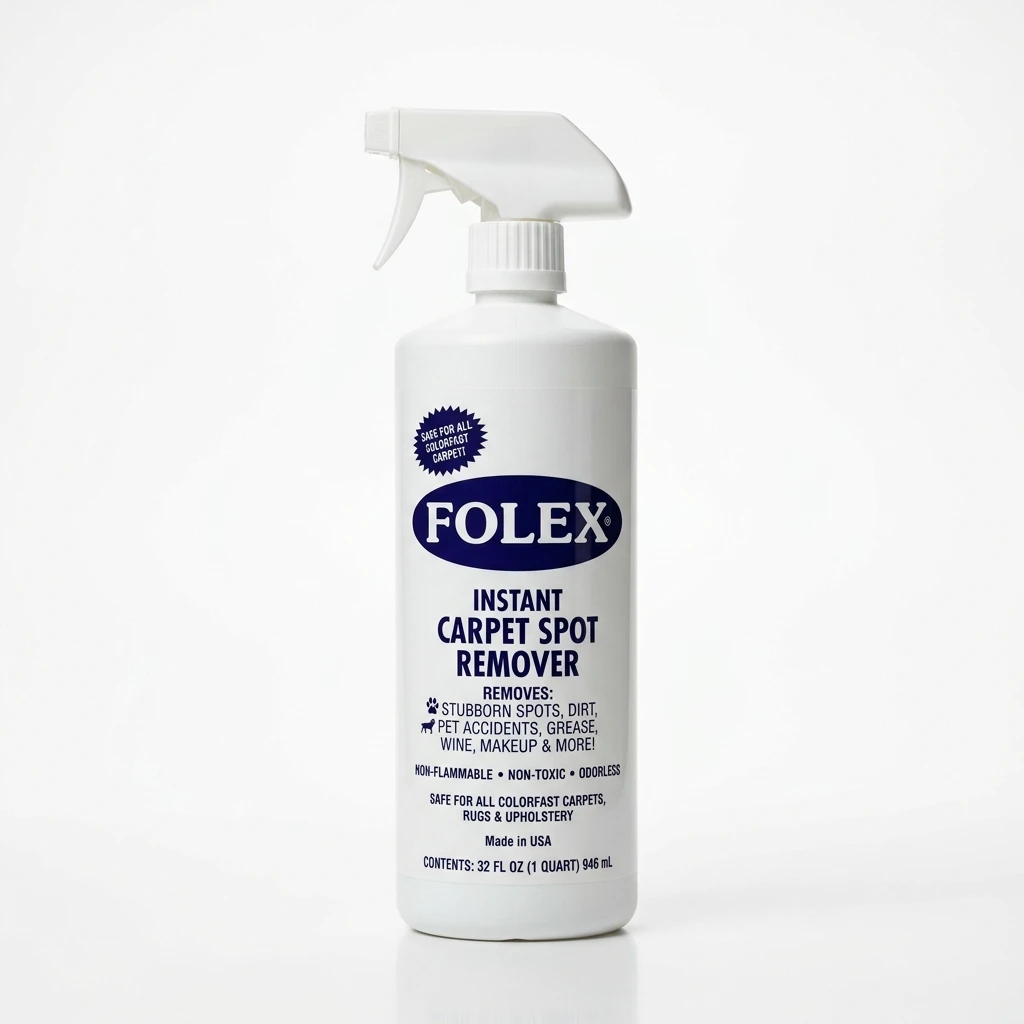
Folex Instant Carpet Spot Remover
Water-based surfactant formula designed for targeted spot removal without leaving tacky surfactant residues.
Check Price on Amazonequipment benchmark: consumer units vs rentals vs industrial truckmounts
Consumer uprights like the Bissell ProHeat 2X Revolution or Hoover SmartWash+ run 10-12 Amp vacuum motors producing 60-86 in. H2O water lift and 45-60 CFM, with pump pressure limited to 25-40 PSI and solution delivery of 0.15-0.25 GPM. Internal heaters hold tank temperature at 110-130°F and cannot generate steam. These units handle spot cleaning and spill containment well, but their extraction suction cannot pull soil through a half-inch pad or thick backing, and repeated passes risk saturating the padding underneath.
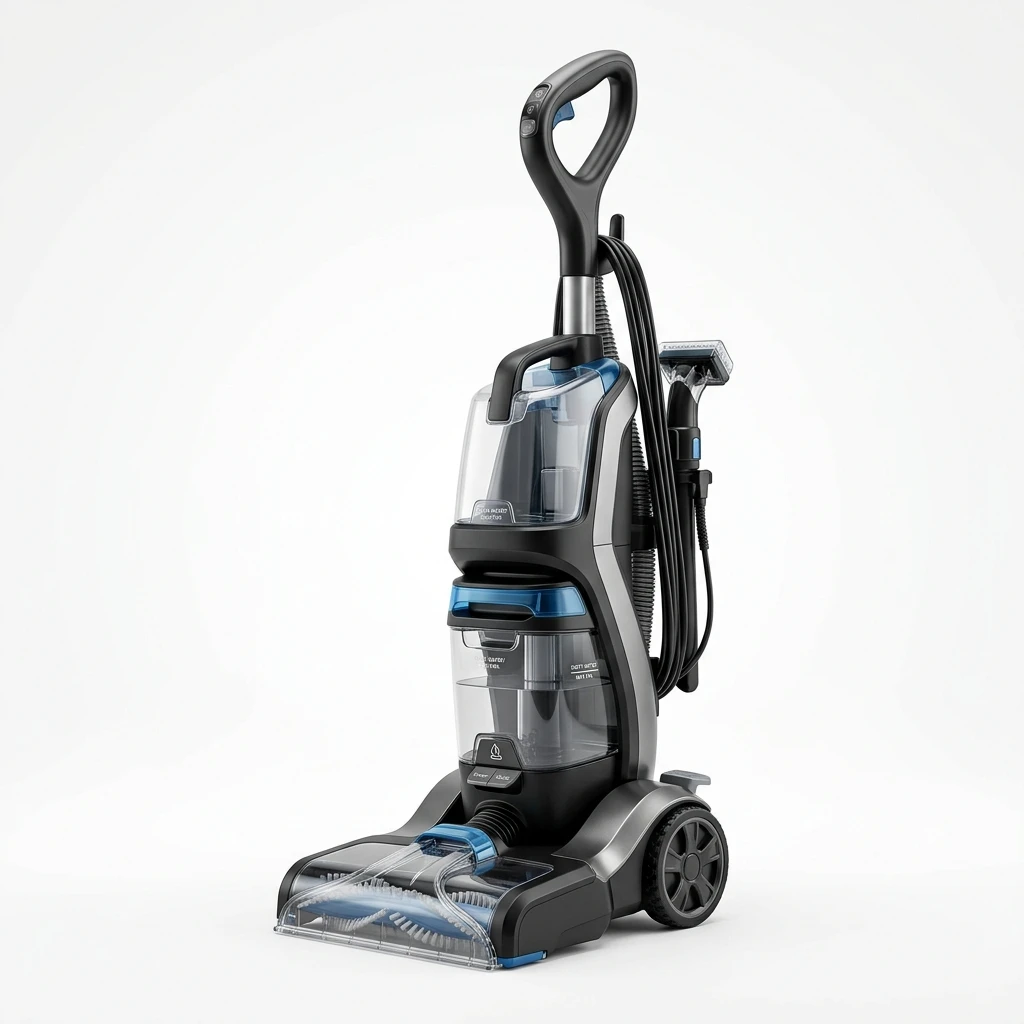
Bissell ProHeat 2X Revolution Pet Pro
Deep-cleaning upright carpet extractor designed for high-traffic homes and pet soil containment.
Check Price on AmazonCommercial rental units, the Rug Doctor Mighty Pro among them, step up to 98-120 in. H2O vacuum lift and 80-95 CFM, with pump pressure at 30-45 PSI. Recovery improves over consumer machines, but the single vibrating brush head has no variable pile height adjustment, and operator over-mixing of detergent is a documented source of surfactant residue on rental jobs.
High-end portable extractors such as the Sandia Sniper or Mytee LTD5 run dual three-stage vacuum motors in series, reaching 150-205 in. H2O and 100-120 CFM with adjustable pump pressure from 100-500 PSI and inline heaters up to 200°F. Industrial truckmount systems built on 30+ HP liquid-cooled EFI engines with Sutorbilt blowers top the benchmark: 200-300 in. H2O at 300-500+ CFM, positive-displacement triplex plunger pumps delivering 50-1,200 PSI, and heat exchangers sustaining 220-240°F at the manifold for 190-210°F delivery to the pile. Dual-port aerodynamic wands keep vacuum airflow laminar on both forward and backward passes and cut drying time to under four hours.
specialized remediation: pet urine, flea cycles, and musty odors
Biological contamination and microbial colonization require targeted chemical and thermal interventions that go beyond standard maintenance extraction.
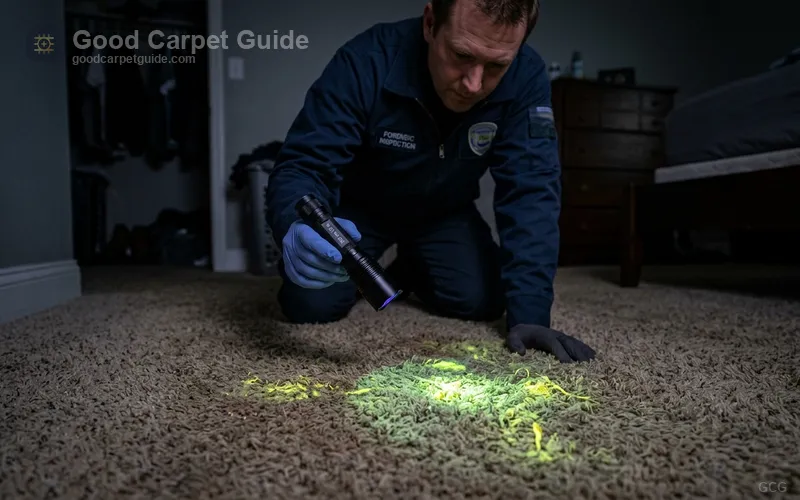
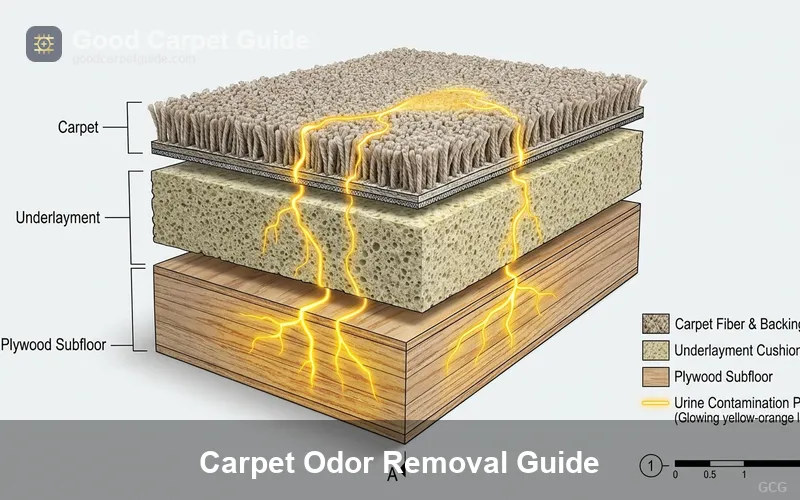
Figure 2: 365 nm UV-A blacklight detection identifies alkaline crystalline urine salts requiring sub-surface extraction before biological digestion.
365 nm uv-a mapping and sub-surface urine salt extraction
Fresh urine holds a pH of 5.5-6.5, but as it dries it converts to alkaline potassium and sodium urate salts at pH 9.0-11.0 that continuously pull atmospheric moisture and emit ammonia gas. A 365 nm UV-A blacklight identifies contamination through yellow-green fluorescence, confirmed with a moisture probe. The remediation sequence runs: an acidic pre-treatment at 0.5-1.0% citric or sulfamic acid (pH 2.5-3.0) to dissolve the crystalline salts, sub-surface extraction with a Water Claw or flash extractor pulling liquid directly from the pad, a bio-enzymatic digestant built on Bacillus subtilis strains producing urease, protease, and lipase, and, where the subfloor itself is saturated, full carpet removal with tack strip and pad replacement and a shellac-based sealer over plywood or concrete.
Nature's Miracle Advanced Stain & Odor Eliminator
Bio-enzymatic formula targeting uric acid crystals and biological soils at the fiber backing level.
Check Price on Amazonthermal flea eradication and insect growth regulator protocols
Flea populations split across four life stages: eggs at roughly 50%, larvae at 35%, pupae at 10%, and adults at 5%. Larvae and eggs die at temperatures above 130°F (54.4°C) sustained for 15 seconds. Truckmount hot water extraction running wand temperatures above 180°F kills every environmental stage on contact. Follow-up HEPA vacuuming during the slow dry phase, paired with an insect growth regulator such as methoprene or pyriproxyfen, prevents any surviving pupae from completing the hatch cycle.
eliminating post-cleaning musty odors and fungal colonization
The "wet dog" smell after cleaning traces to dry times exceeding 24 hours, which gives micro-fungi like Aspergillus versicolor and Penicillium species, along with anaerobic bacteria, enough time to colonize wet jute backing and latex adhesive. These organisms emit microbial volatile organic compounds and hydrogen sulfide as byproducts. Industrial centrifugal air movers, dehumidifiers, and an antimicrobial pre-rinse treatment cut dry time enough to prevent colonization before it starts. Cleaning frequency affects how often this risk arises; general scheduling guidance is covered in our maintenance guide on how often to clean carpet .
chemical safety, low-voc standards, and acidic ph neutralization
An alkaline pre-spray at pH 8.5-10.5 breaks down traffic lane soils and saponifies oils before extraction. The rinse step that follows uses 0.1-0.5% food-grade citric acid or hydroxyacetic acid, buffered to pH 2.5-3.5, to neutralize residual alkaline salts and bring the pile back to a stable 6.0-7.0 pH. Neutralization also stabilizes dye sites and restores the natural yarn hand that alkaline exposure strips away. Low-VOC compliance under ASTM D6886 caps VOC content at 50 g/L, and Green Seal GS-37, EPA Safer Choice, and CRI Green Label Plus certifications mark solutions that meet that threshold.
choosing the right method for your floor
Deep residential soil, heavy traffic, allergens, or pet stains call for truckmount hot water extraction with an acidic neutralizing rinse and sub-surface extraction on any contaminated area.
A commercial high-rise or occupied office space with a short drying window suits VLM encapsulation run with a counter-rotating brush.
Hand-knotted wool, silk, or antique oriental rugs need a specialized in-plant immersion wash, or a WoolSafe-certified low-moisture, low-temperature extraction held at pH 6.0-7.5.
A same-day real estate walkthrough or light maintenance pass works best with an absorbent dry compound or low-moisture carbonated cleaning.
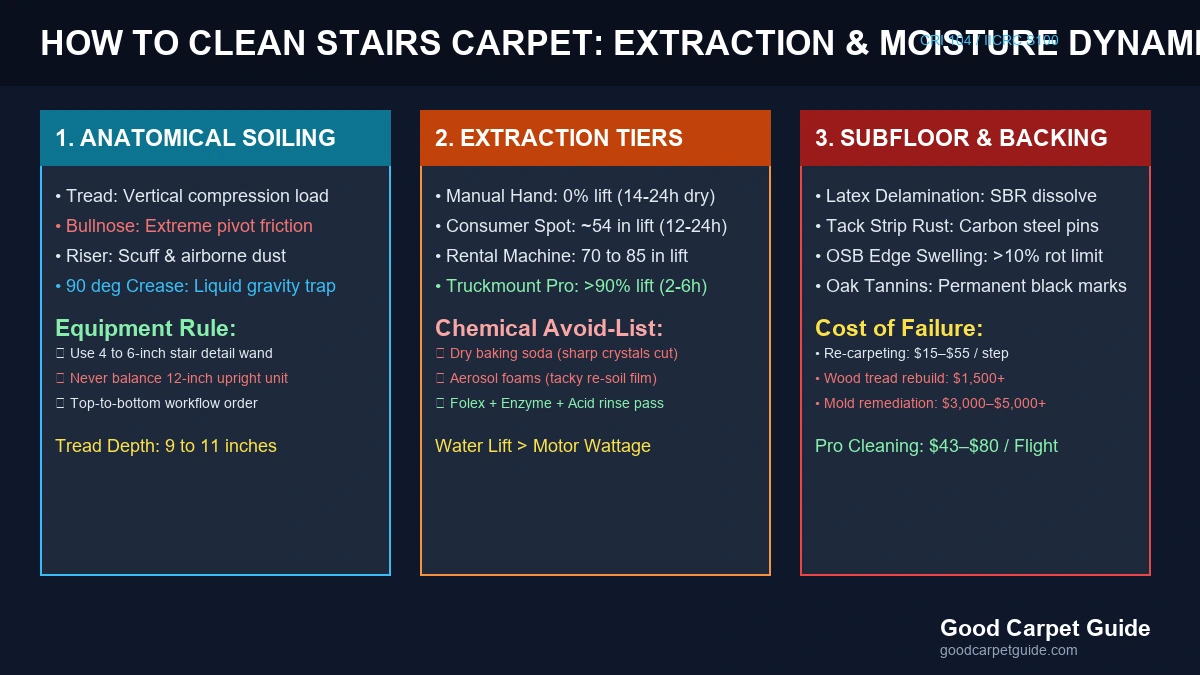
Fiber type sets the outer pH and temperature boundary before method selection even starts. Backing construction (jute versus synthetic) sets the moisture tolerance. Dry-time constraints from occupancy schedules narrow the remaining field. Stair carpet in particular carries its own wear profile worth checking against our installation guide on best carpet for stairs before committing to an aggressive extraction schedule on high-traffic runs.