| Use Case | Recommended Fiber | Minimum Face Weight | Pad Spec | Estimated Cost (Installed) |
|---|---|---|---|---|
| Budget rental / landlord replacement | Solution-dyed nylon or polyester | 28 oz/yd² | 6 lb density, 7/16" max | $1.50–$3.00/sq ft |
| Owner-occupied apartment, light traffic | Mohawk SmartStrand (Triexta) | 32 oz/yd² | 8 lb memory foam, ≤7/16" | $3.00–$5.00/sq ft |
| High-traffic hallways and stairs | Type 6,6 nylon (e.g., Stainmaster) | 40 oz/yd² | Dense rebond, 6–8 lb | $5.00–$8.00/sq ft |
| Pet household | Solution-dyed BCF nylon | 36 oz/yd² | Moisture-barrier top-only pad | $4.00–$7.00/sq ft |
| Basement slab subfloor | Synthetic loop or Berber | 28 oz/yd² | Breathable pad, NO bottom moisture barrier | $2.00–$4.50/sq ft |
Apartment carpet is the wall-to-wall textile floor covering installed in self-contained housing units, and apartment carpet performance is governed by three compounding variables: fiber chemistry, face weight (measured in ounces per square yard), and subfloor pad density (measured in pounds per cubic foot). This article analyzes every performance dimension a renter, property manager, or owner-occupant must evaluate—covering fiber selection, pad specification limits, warranty structure, depreciation law, regional humidity effects, installation quality markers, cleaning protocols, and total cost modeling—to provide a technically complete decision framework for apartment carpet selection, protection, and replacement.
how to make carpeted apartment look good
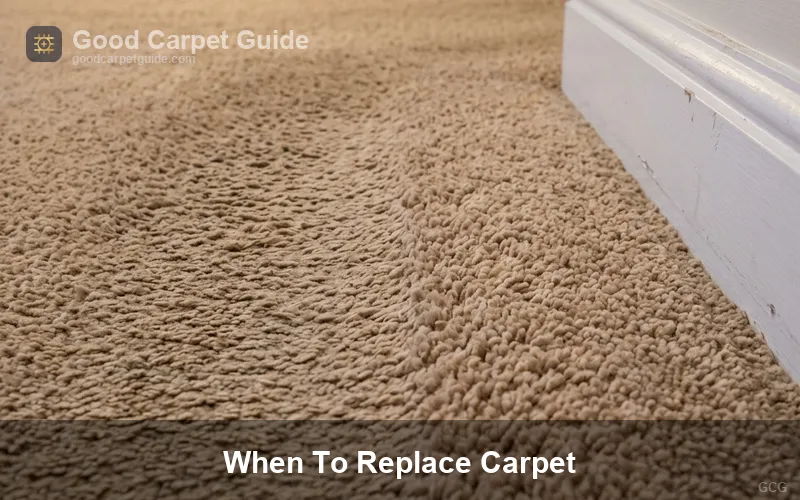
Apartment carpet appearance depends on pile recovery rate, surface texture, and area rug placement strategy more than on carpet color alone. Pile recovery rate—the fiber's ability to spring back after compression—is highest in Type 6,6 nylon (polyamide 6,6), which scores 3.5–5.0 on the Textile Research Journal resilience scale, compared to 1.5–2.5 for standard polyester. Builder-grade polyester apartment carpet with a face weight below 28 oz/yd² and a pile height above 1/2 inch collapses permanently under foot traffic within 12–24 months, because polyester lacks the mechanical memory of nylon's amide polymer chain.
To restore visual uniformity to a flattened carpet, use a stiff-bristle carpet rake in the direction opposing the original tuft lean, then apply light steam from a clothes steamer held 3–4 inches above the surface. Carpet raking realigns collapsed tufts without heat distortion, and the technique is most effective on loop-pile or cut-pile constructions with a pile height between 3/8" and 5/8".
Area rug placement over existing apartment carpet improves appearance but introduces rug creep—the bunching and forward displacement of the top rug caused by the underlying carpet acting as a physical lever. The underlying carpet's pile height amplifies lateral shear forces with every footstep, pushing the area rug forward progressively. To counteract rug creep, use a low-tack, anchor-grip pad such as the Carpenter Super Move Not between the two textile layers rather than a standard rubber rug pad, which adds height without providing directional grip on carpet fiber.
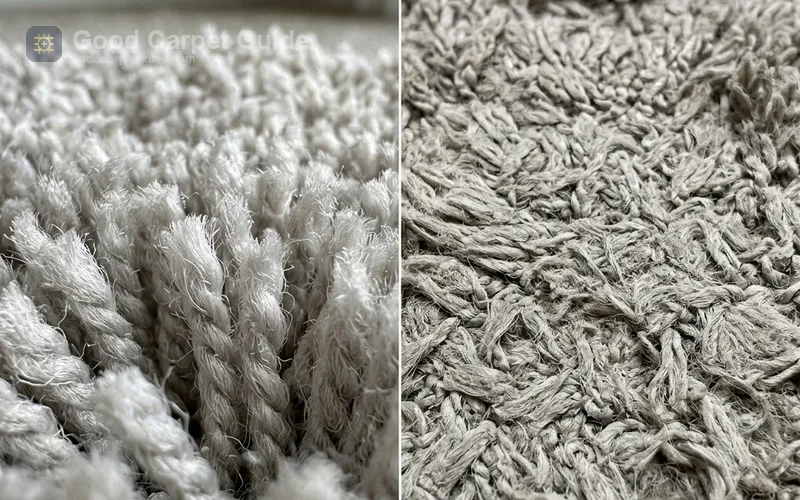
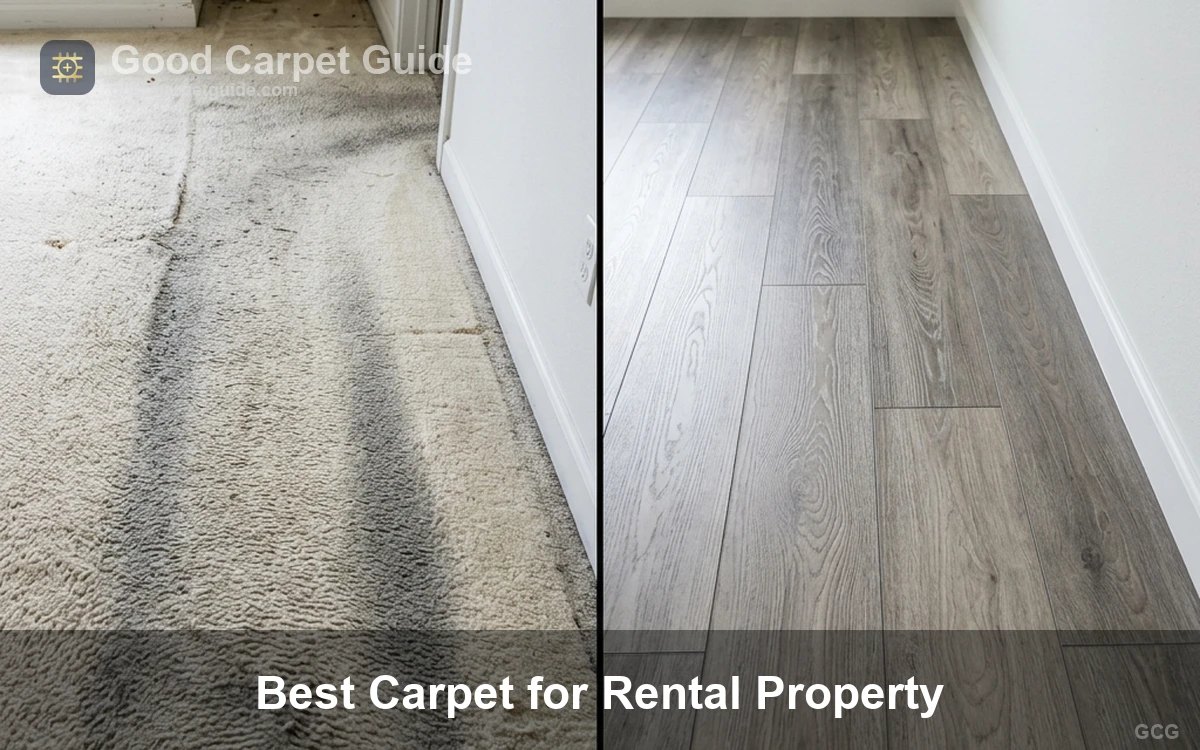
Cut-pile apartment carpet tufts at full height (left section) versus compacted tufts after six months of residential foot traffic (right section), illustrating the pile recovery differential between nylon and polyester fiber construction.
Furniture placement conceals wear paths and redirects traffic patterns. Heavy furniture items—secretary desks, entertainment centers, sectional sofas—create permanent indentations called furnidents in apartment carpet with face weights below 32 oz/yd². Place 2"×2" furniture cups under each leg, distributing the load over a larger contact area and reducing point pressure per square inch from approximately 80 PSI (for a chair leg) to under 12 PSI across the cup surface.
how much is apartment carpet
Apartment carpet material cost ranges from $0.50 to $21.00 per square foot depending on fiber type, construction grade, and brand, with total installed cost (material + pad + labor) ranging from $2.00 to $8.00 per square foot according to contractor survey data across residential markets.
The table below itemizes cost by component and grade tier, reflecting pricing for standard residential apartment installations:
| Component | Builder Grade | Mid Grade | High Grade |
|---|---|---|---|
| Carpet material (per sq ft) | $0.50–$1.50 | $1.50–$6.00 | $6.00–$21.00 |
| Pad (per sq ft) | $0.30–$0.60 | $0.60–$1.20 | $1.20–$2.50 |
| Labor (per sq ft) | $0.50–$1.50 | $0.50–$1.50 | $0.50–$1.50 |
| Stair surcharge (per step) | $2–$4 | $4–$6 | $6–$8 |
| Furniture moving (per room) | $25–$50 | $25–$75 | $50–$75 |
| Old carpet removal (per sq ft) | $0.25–$0.50 | $0.25–$0.75 | $0.50–$1.00 |
Home Depot advertises total installed apartment carpet costs of $1.60 to $5.00 per square foot, contingent on orders exceeding $499 and carpet priced at or above $0.99/sq ft for inclusion in the "free basic installation" promotion. Lowe's averages $4.00 to $6.00 per square foot for total installed cost. Independent local flooring dealers frequently undercut both big-box retailers on both material pricing and labor quality, as reported by homeowners who obtained competing bids—one documented case showed a local installer delivering superior carpet at a lower total price than a Home Depot quote for a comparable specification.
The cost differential between big-box and independent installation is not merely financial. Big-box retailers routinely subcontract installation to third-party crews, and these crews face time pressure that incentivizes the use of a knee kicker instead of a power stretcher. Knee-kicked installations develop buckles and ripples within 12–18 months on apartment carpet with face weights under 36 oz/yd², requiring re-stretching at an additional cost of $0.50–$1.50 per square foot.
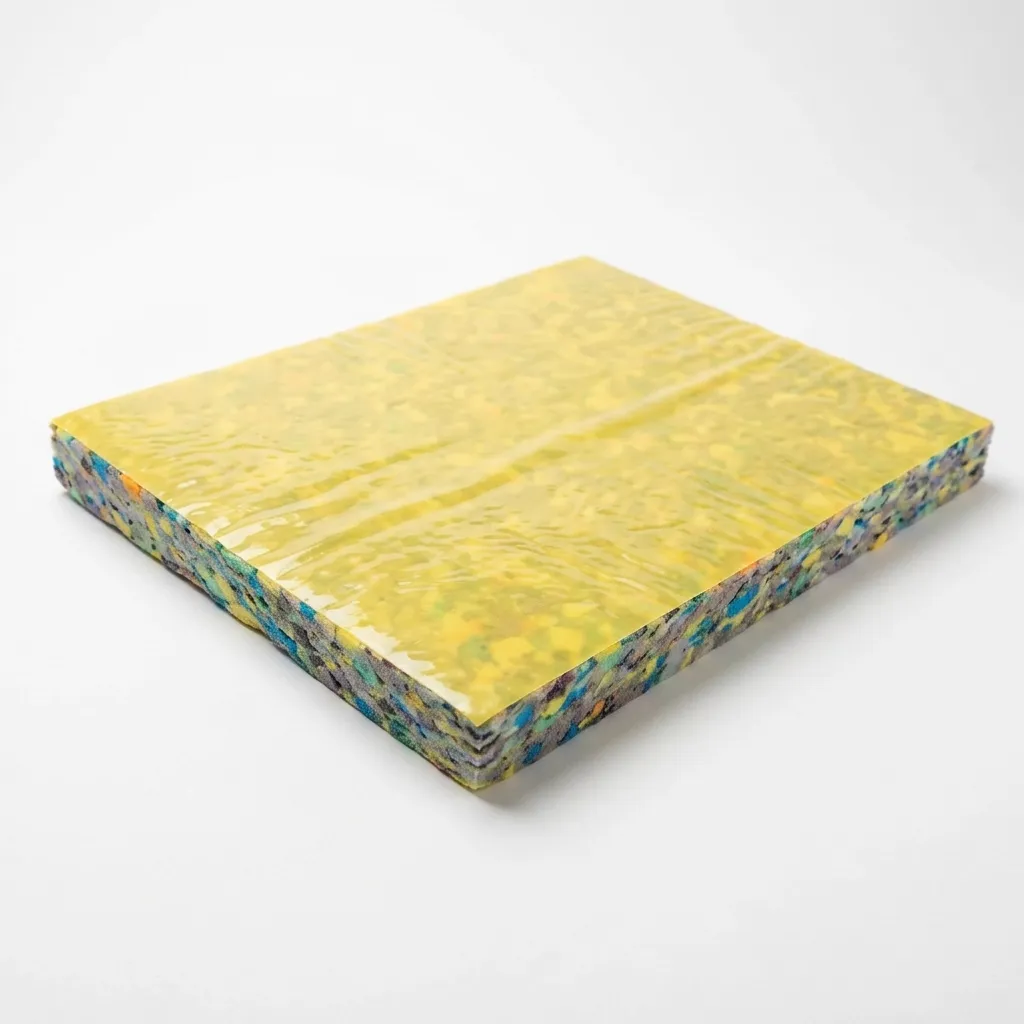
Mohawk SmartCushion Premium Carpet Padding
The industry-standard dense foam pad that provides the structural support apartment carpet requires without exceeding the 7/16" thickness limit that triggers manufacturer warranty voidance.
Check Price on Amazoncan you shampoo apartment carpet
Apartment carpet must not be cleaned with rotary shampoo machines that leave detergent residue in the fiber pile. Traditional rotary shampooing deposits a sticky, soapy chemical film in carpet backing and face yarns, and this residue accelerates rapid re-soiling by attracting particulate soil through electrostatic adhesion. Shaw Industries and Mohawk Industries both specify in their residential carpet warranty documentation that cleaning methods depositing detergent residue void fiber and texture-retention warranty coverage.
The correct cleaning method for apartment carpet is Hot Water Extraction (HWE), also called steam cleaning, as defined under IICRC S100 (Standard and Reference Guide for Professional Carpet Cleaning). IICRC S100 specifies that HWE uses water heated to 150–200°F injected under pressure into the carpet pile, followed by immediate extraction of water and suspended soils via negative pressure. Hot water extraction removes 97–99% of common household allergens from carpet fiber, compared to 80–85% for encapsulation cleaning methods, according to Carpet and Rug Institute (CRI) 104 testing protocols.
For between-professional-cleaning spot treatment, enzymatic cleaners applied with low-moisture dwell time represent the apartment-safe standard.
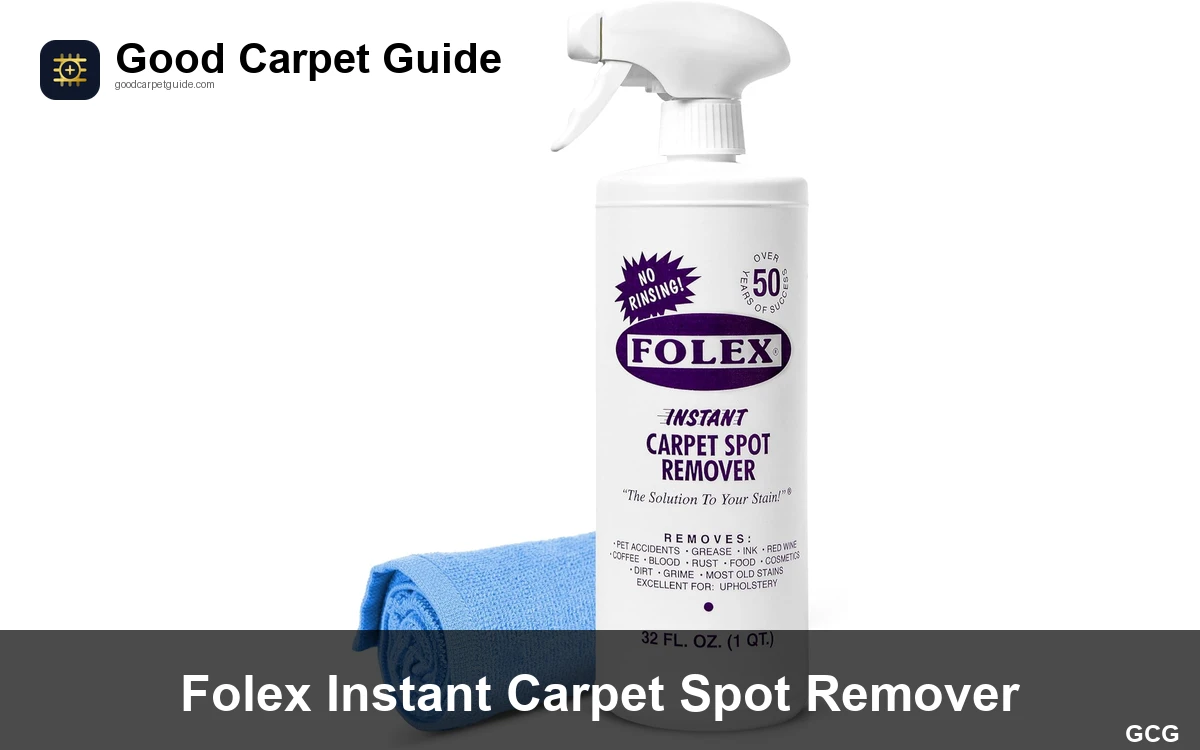
Folex Instant Carpet Spot Remover
A water-based, non-ionic surfactant spot remover that leaves no sticky residue, compatible with all synthetic apartment carpet fibers without voiding manufacturer warranties.
Check Price on AmazonProfessional hot water extraction for a standard apartment averages $123 to $242 for a whole-unit service, with per-room pricing of $45 to $80 or $0.25 to $0.50 per square foot. Commercial apartment buildings negotiating multi-unit contracts access discounted rates of $0.15 to $0.25 per square foot. Renters with security deposit concerns should retain the professional cleaning invoice, as documented HWE cleaning demonstrates compliance with standard lease return conditions and counters landlord claims of tenant-caused damage.
regional performance differences
Apartment carpet performance varies measurably by geographic climate zone, with moisture vapor transmission, ambient humidity, and diurnal temperature differential each exerting independent mechanical effects on carpet fiber, backing, and pad integrity. Regional performance differences represent a content gap in most apartment carpet resources and require explicit specification by climate zone.
High-humidity coastal regions (Gulf Coast, Pacific Northwest, Southeast Florida) expose apartment carpet to sustained relative humidity above 65% RH. At humidity levels above 60% RH, secondary backing materials—typically woven polypropylene or action-backed latex—absorb ambient moisture vapor and expand laterally, causing carpet to buckle at seams without any water event occurring. Nylon fiber, due to its hygroscopic polyamide structure, absorbs up to 4% of its weight in moisture vapor under these conditions, reducing pile height by 2–5% and altering tactile perception. Renters in Seattle or Miami who report apartment carpet "feeling wet" without visible spills are experiencing a documented thermohygrometric phenomenon: skin's Meissner corpuscles and Ruffini endings detect cold surface temperature—produced by concrete slab condensation through the backing—as a wetness sensation, even when free moisture is absent.
Arid interior climates (Phoenix metro, Las Vegas, Denver at altitude) generate low humidity that causes carpet backing to dry-shrink and pull away from tack strips, creating edge lifting at walls. Dry conditions also increase static electricity buildup in nylon apartment carpet; Type 6,6 nylon constructions with face weights below 30 oz/yd² in dry climates require static-dissipating topical treatments or inherent anti-stat fiber treatment (measured at less than 3.5 kV triboelectric charge per AATCC 134) to remain comfortable.
Cold northern climates (Upper Midwest, New England) with slab-on-grade or basement subfloors present a specific mold risk from concrete slab moisture vapor emissions. Concrete subfloors emit alkaline moisture vapor continuously through capillary action, and the vapor emission rate—measured in pounds per 1,000 sq ft per 24 hours using a calcium chloride test per ASTM F1869—determines pad selection. For concrete subfloors emitting above 3 lbs/1,000 sq ft/24 hours, installers specify a breathable rebond or synthetic fiber pad with a top-only moisture barrier. Double-sided plastic moisture barrier pads on concrete trap alkaline vapor between the plastic film and the slab, creating pressure bubbles and accelerating mold colonization in the carpet backing within 12–24 months.
| Climate Zone | Primary Carpet Risk | Recommended Fiber | Pad Specification |
|---|---|---|---|
| High humidity coastal (>65% RH) | Backing expansion, seam buckle | Solution-dyed BCF nylon | 8 lb rebond, top-only moisture barrier |
| Arid interior (<30% RH) | Edge lifting, static charge | Type 6,6 nylon + anti-stat | Dense rebond, no moisture barrier |
| Cold northern, concrete slab | Vapor-mold in backing | Synthetic loop (Berber) | Breathable pad, top-only barrier, ASTM F1869 vapor test first |
| Temperate continental | Standard wear and matting | Mohawk SmartStrand (Triexta) | 6–8 lb rebond, 7/16" max |
Regional climate performance data confirms that no single apartment carpet specification performs uniformly across US geographic zones. The vapor transmission profile of the subfloor and the ambient RH of the unit determine pad specification before fiber selection is addressed.
cost and budget considerations for apartment carpet
The "cheap carpet + premium pad" strategy is the field-consensus approach among house-flippers and budget-conscious owner-occupants: install builder-grade synthetic carpet ($0.50–$1.50/sq ft material cost) over an 8–10 lb density memory foam pad (≤7/16" thickness). Pad density determines perceived underfoot softness, and occupants consistently attribute the tactile quality of the installation to carpet pile rather than pad—a perceptual displacement that allows property managers to deliver a premium walking experience at builder-grade material cost.
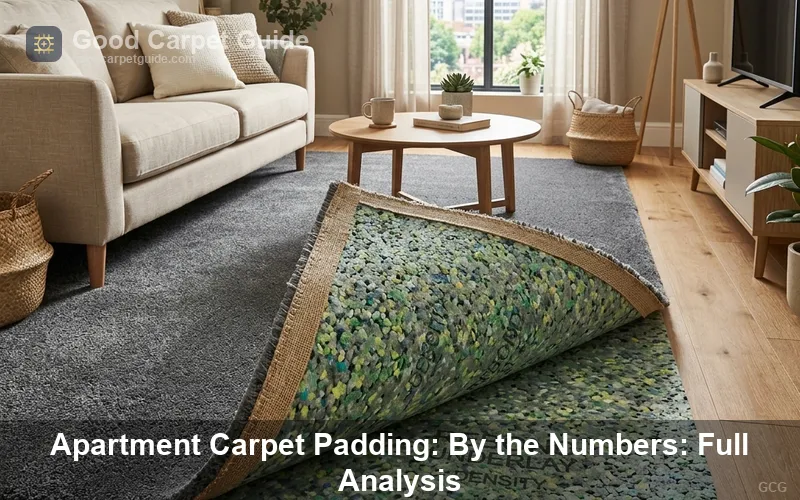
For a comprehensive specification-driven analysis of density, thickness, and moisture barrier requirements in rental units, see our apartment carpet padding guide.
Pad thickness limits are warranty-critical. The Carpet and Rug Institute (CRI) 105 residential installation standard specifies a maximum pad thickness of 7/16 inch for cut-pile carpet and 3/8 inch for loop-pile (Berber) carpet. Exceeding these limits causes excessive pile flexion at the base of each tuft, accelerating tuft root fatigue and allowing carpet to flex beyond its structural tolerance—a condition that voids manufacturer texture-retention and structural warranties. The industry label of "1/2-inch pad" is a nominal designation; physical measurement of a standard "1/2-inch" residential pad yields approximately 0.43 inches (just under 7/16") to comply precisely with CRI 105 limits.
Warranty structure for apartment carpet distinguishes between two distinct coverage types that most consumers conflate:
- Wear Warranty: Covers physical loss of fiber mass, typically requiring documented loss of 10% or more of original face weight as verified by a CRI-certified inspector. Physical fiber mass loss is rare under residential conditions; this warranty seldom activates.
- Texture Retention Warranty: Covers matting, crushing, and pile deformation—the actual failure mode of apartment carpet. Texture retention warranties are shorter, typically 5–10 years on mid-grade polyester and 10–15 years on nylon, and are voided by improper cleaning methods, pad over-specification, and power-stretcher omission during installation.
A 20-year wear warranty on builder-grade polyester apartment carpet does not protect against the matting that renders the carpet visually unacceptable within 3–5 years. Renters and property managers must read texture retention warranty terms, not wear warranty terms, to assess practical coverage.
frequently asked questions about apartment carpet
How long should apartment carpet last?
Apartment carpet lifespan under standard residential use ranges from 5 to 7 years for builder-grade polyester (face weight 28–32 oz/yd²) to 10–15 years for mid-grade nylon (face weight 36–40 oz/yd²), provided cleaning follows IICRC S100 hot water extraction protocols and pad specification complies with CRI 105 thickness limits. High-pile polyester apartment carpet with pile height above 1/2 inch typically "uglies out"—matting permanently without fiber mass loss—within 12–24 months of installation in traffic corridors, regardless of nominal warranty duration.
Should an apartment replace carpet, and when?
Property managers and landlords are legally obligated to replace apartment carpet when carpet age and condition exceed the applicable depreciation schedule for their jurisdiction. Most US states apply a 5 to 7-year depreciation timeline for residential carpet, after which apartment carpet depreciates to a book value of $0. A landlord cannot charge a departing tenant to replace carpet that has already depreciated fully under state law; charging a tenant for full replacement of 10-year-old builder-grade apartment carpet constitutes an unlawful security deposit deduction in most jurisdictions. Tenants should document carpet age at move-in and retain dated photographs.
Can you cover apartment carpet?
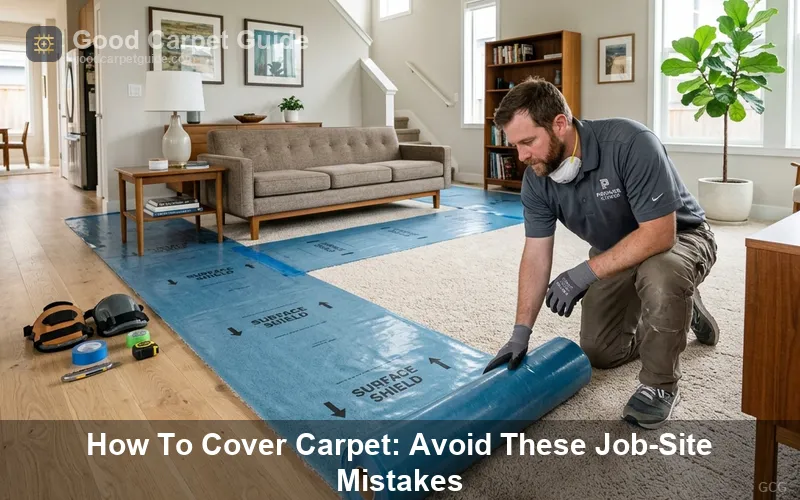
Area rugs placed over existing apartment carpet provide aesthetic improvement but require a grip pad specifically rated for carpet-over-carpet use. Standard rubber or felt area rug pads do not provide adequate lateral resistance on pile carpet; the underlying carpet pile acts as a directional lever, displacing the area rug forward with each footstep. A rough-backed area rug—jute, heavy sisal, or unfinished wool—placed directly on synthetic apartment carpet without an intermediate pad abrades the delicate face yarns of the underlying carpet through friction, damaging the apartment carpet and potentially triggering deposit liability. Use a low-tack grip pad rated for carpet underlayment, or apply carpet-safe double-sided tape at the rug perimeter.
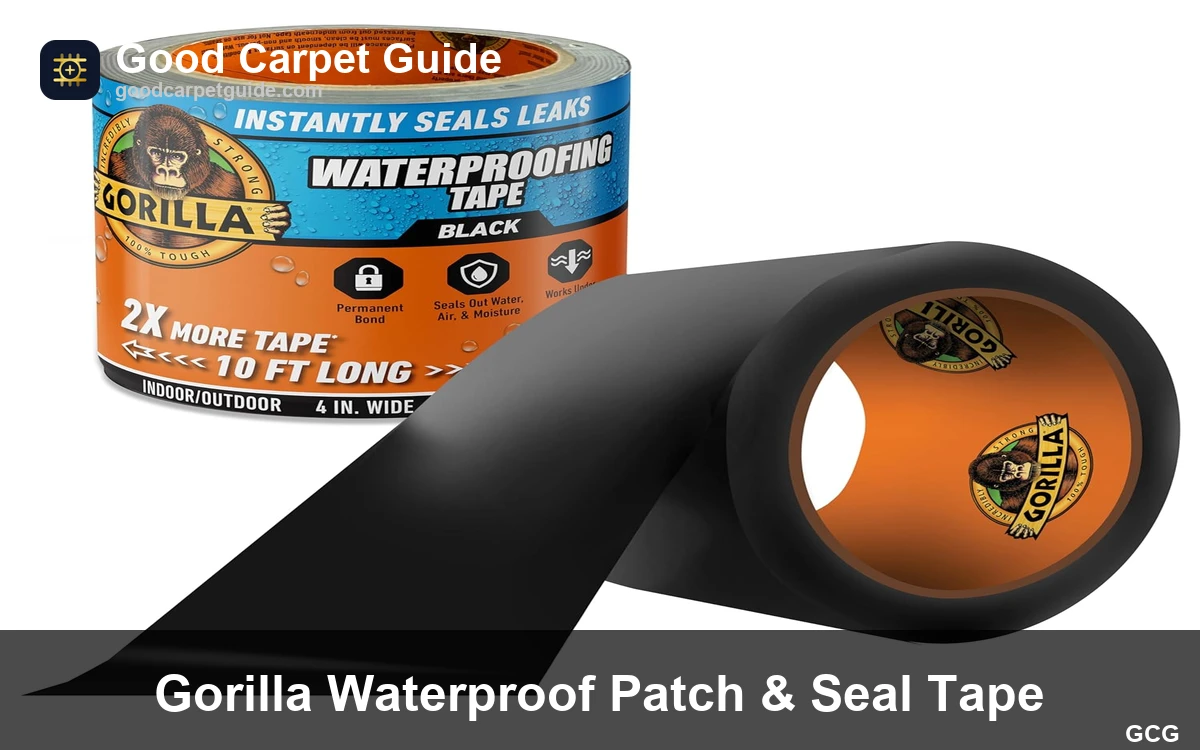
Gorilla Double Sided Carpet Tape
A residue-free, repositionable double-sided tape that anchors area rugs to underlying apartment carpet without damaging the synthetic pile face when removed.
Check Price on AmazonHow to replace apartment carpet?
Apartment carpet replacement follows a defined physical sequence using specific tools. The full workflow is:
- Remove furniture from the installation zone; charge $25–$75 per room if contracted to the installer.
- Cut and remove old carpet in manageable strips (3 ft wide) using a carpet trimmer and utility knife; old carpet removal labor runs $0.25–$1.00 per sq ft.
- Inspect tackless strip condition; replace corroded or skip-bent tack strip pins, as damaged pins fail to hold stretched carpet under tension. Standard residential tack strip pin length is 5/8" for 7/16" pad.
- Test concrete subfloor for moisture vapor emission using a calcium chloride test (ASTM F1869) before pad installation; readings above 3 lbs/1,000 sq ft/24 hrs require breathable pad selection.
- Install pad with staples or adhesive, seams butted (not overlapped), top-only moisture barrier facing up if specified; verify pad thickness with a caliper against CRI 105 limits.
- Roll carpet into the room, align seam lines to traffic direction, and cut using a row runner for straight cuts.
- Seal seams with a Roberts 8015 or equivalent latex seam sealer applied to the seam tape before joining carpet edges, preventing seam raveling under lateral stress.
- Stretch carpet using a power stretcher anchored to the opposite wall—never a knee kicker alone. Power stretching achieves 1–1.5% elongation of the carpet backing, eliminating future buckles. Knee-kicker-only installations achieve 0.2–0.4% elongation, insufficient to prevent rippling under thermal cycling.
- Tuck edges under baseboards using a stair tool or wall tucker; improper tucking direction (tucking away from the wall rather than toward it) is a common installer error that causes edge lifting within 6 months.
How to deep clean apartment carpet?
Deep cleaning apartment carpet requires hot water extraction (steam cleaning) per IICRC S100 standards. Pre-treat high-traffic corridor soiling with a low-residue, pH-neutral pre-spray (pH 7–9 per IICRC S100 specifications) and allow a dwell time of 5–10 minutes. Set extraction machine water temperature to 150–180°F for synthetic fiber (nylon, polyester, Triexta); temperatures above 200°F risk thermal deformation of polypropylene backing. Make two passes per section: one injection pass and one dry extraction pass. Allow 4–6 hours drying time with cross-ventilation before replacing furniture. A portable machine such as the Bissell Little Green provides adequate extraction capacity for spot and section cleaning between professional annual services.
Why do most apartments have carpet?
Apartment carpet is the dominant floor covering in residential rental units because carpet installation cost ($2–$5/sq ft total) is approximately 40–60% lower than luxury vinyl plank or engineered hardwood on a comparable square footage basis, and carpet provides measurable acoustic attenuation—dense cut-pile carpet with a face weight of 36 oz/yd² reduces impact noise transmission by 20–35 dB (IIC rating improvement), reducing inter-unit sound complaints in multi-story apartment buildings. Carpet also reduces heating load in individual units by providing thermal resistance (R-value of approximately R-0.5 to R-2.0 depending on pile height and pad thickness), relevant in older apartment stock with limited HVAC insulation. The combination of low acquisition cost, acoustic performance, and thermal contribution makes apartment carpet the default specification for property managers operating at scale.
How often should apartment carpet be replaced?
Apartment carpet replacement frequency depends on traffic load, fiber grade, and cleaning protocol. Builder-grade polyester apartment carpet under standard single-occupant residential use requires replacement in the 5–7 year range. Mid-grade nylon apartment carpet under the same conditions extends to 10–12 years. High-traffic multi-occupant units or pet households compress both timelines by 30–40%. Property managers operating under Section 8 or similar housing standards typically schedule apartment carpet replacement on a 5-year cycle for budget-grade installations and a 7-year cycle for nylon-fiber installations, aligned with standard depreciation schedules and HUD guidelines.
Summative Specification Recommendations by Use Case
Builder-grade apartment carpet replacement for a rental property performs best as solution-dyed polyester or entry-level nylon at 28–32 oz/yd² face weight over a 6 lb rebond pad at 7/16" maximum thickness, installed by an independent contractor using a power stretcher, at a total installed cost of $1.50–$3.50 per square foot. Owner-occupied apartment flooring targeting a 10-year service horizon requires mid-grade Triexta (Mohawk SmartStrand) or Type 6,6 nylon at 36–40 oz/yd² face weight, an 8 lb density pad at or below the CRI 105 thickness ceiling, and annual hot water extraction cleaning per IICRC S100. Regional climate—specifically concrete subfloor vapor emission rate and ambient humidity—determines pad moisture barrier specification before any other variable is addressed. Texture retention warranty terms, not wear warranty terms, define practical apartment carpet coverage and must be evaluated at point of purchase.