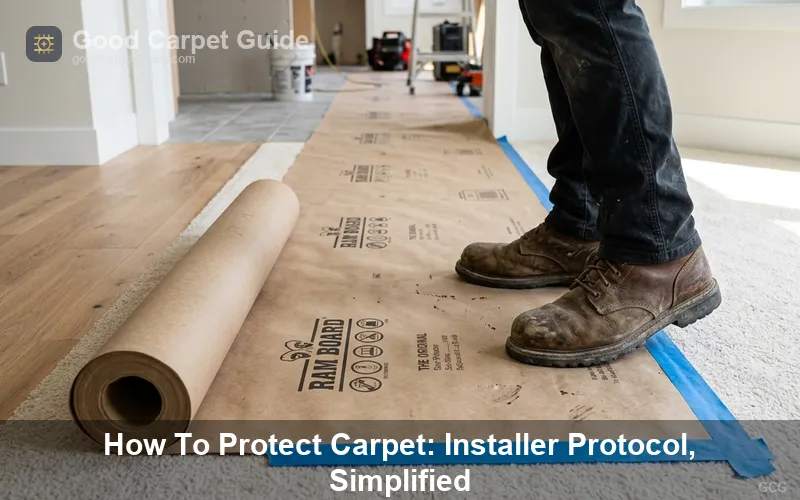
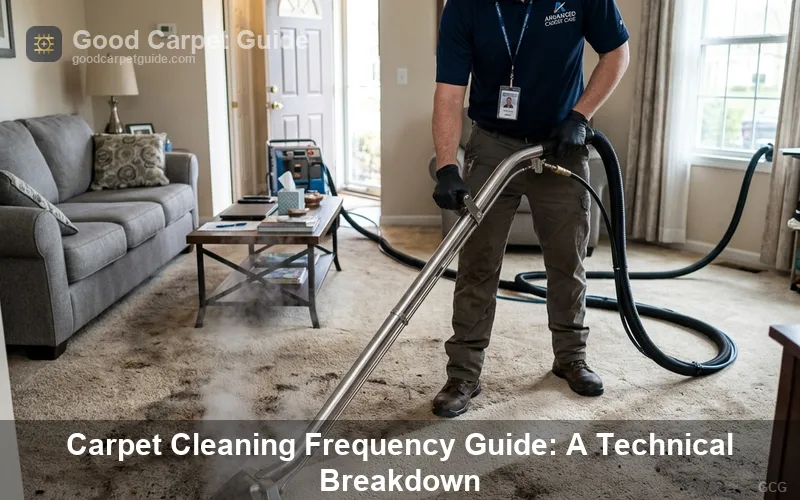
[!CAUTION]
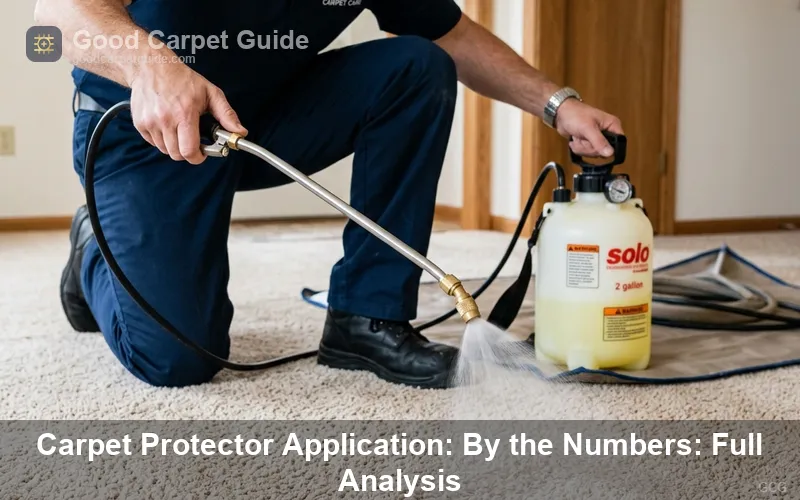
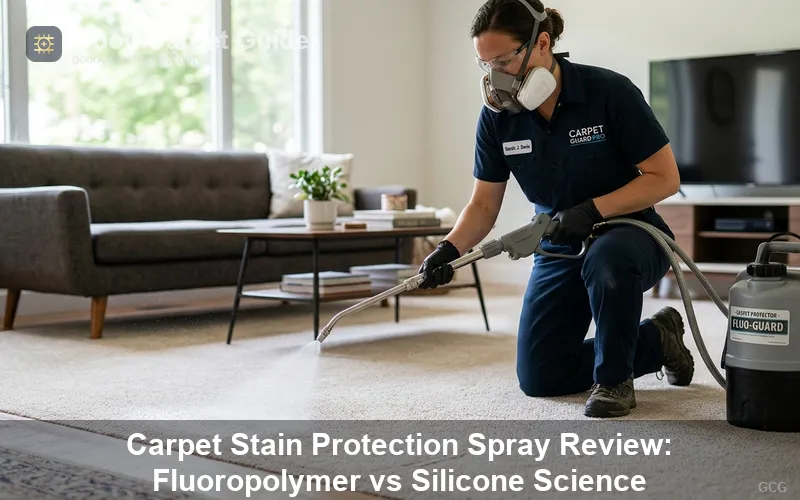
Installer's Safety & Performance Alert: Never apply aerosol fluorochemical sprays in unventilated areas or over damp carpet. Spraying topical protectants over wet carpet traps moisture beneath the fluoropolymer film, causing backing delamination and wicking stains. Aerosol cans contain up to 90% propellants and solvents, which leave sticky residues if over-applied. Professional hot water extraction applications require a 40 to 60 PSI spray system and proper grooming with a carpet rake.
Topical carpet protectors lower surface energy to buy time during spills, but performance varies drastically between retail aerosol sprays and professional fluorochemical concentrates. This head-to-head field guide compares 3M Scotchgard, fluoropolymer surface sealants, and professional acid dye blockers to help US homeowners protect their carpet investment without voiding manufacturer warranties.
quick verdict and head-to-head summary
3M Scotchgard excels at quick DIY spot touch-ups, whereas professional fluorochemical concentrates like Bridgepoint Maxim Advanced provide long-term stain and soil resistance. Retail aerosol sprays deliver 10% to 15% active fluorochemical solids suspended in solvent propellants, lasting 1 to 3 months under moderate foot traffic. Professional applications deliver 25% to 35% active concentrate, penetrating deep into carpet fibers to provide 12 to 24 months of protection.
| Performance Attribute | Retail 3M Scotchgard Aerosol | Professional Fluorochemical Concentrate (Maxim Advanced) |
|---|---|---|
| Active Ingredient Concentration | 10% – 15% active solids | 25% – 35% active concentrate |
| Carrier System | Solvent propellant (80%–90%) | Water-based anionic carrier |
| Acid Dye Blocker | No (surface tension only) | Yes (anionic dye blocker included) |
| Average Durability | 1 to 3 months | 12 to 24 months (or 20 vacuum cycles) |
| Coverage Cost | $0.15 – $0.25 / sq. ft. | $0.35 – $0.85 / sq. ft. (applied) |
| Tactile Texture Effect | Can cause stiffness if over-applied | Soft hand-feel after grooming |
For comprehensive home maintenance, combining professional fluorochemical treatments with proper preventive care yields optimal results. Learn more about broad maintenance protocols in our guide on how to protect carpet .
how carpet protectors work: chemical formulation and surface tension
Carpet protectors work by altering the surface energy of synthetic and natural carpet fibers. Untreated nylon and wool fibers possess high surface energy, attracting liquid molecules and drawing them into the core of the fiber. Fluorochemical protectants apply a microscopic protective shield that drops the fiber's surface energy below that of water and oil.
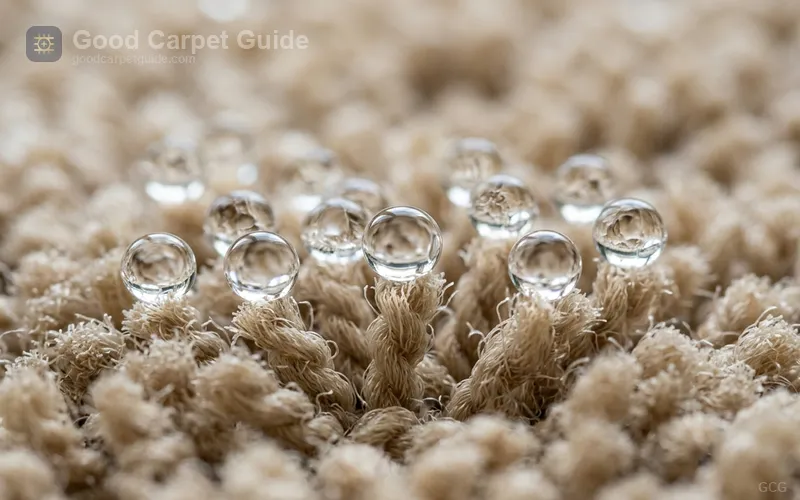
When a spill occurs on treated carpet, liquid forms distinct beads on top of the pile rather than saturating the yarn. According to the Carpet and Rug Institute (CRI 104/105 standards), topical fluoropolymers create a 5-to-10-minute window for blotting liquids before absorption occurs.
================================================================================
FLUOROCHEMICAL SURFACE TENSION MECHANISM
================================================================================
Untreated Fiber (High Surface Energy):
   Liquid Spill ---> [  Carpet Fiber  ] ---> Rapid Absorption & Deep Stain

Treated Fiber (Low Surface Energy):
   Liquid Spill ---> (  Bead  ) ---> [ Fluoropolymer Barrier / Fiber ] (No Penetration)
================================================================================
While 3M Scotchgard relies primarily on C6 fluorochemical polymers for liquid repellency, advanced professional formulas like Bridgepoint Maxim Advanced incorporate anionic acid dye blockers. Acid dye blockers fill open dye sites along nylon fiber chains, preventing synthetic food dyes like red wine or fruit punch from permanently bonding with the yarn structure.
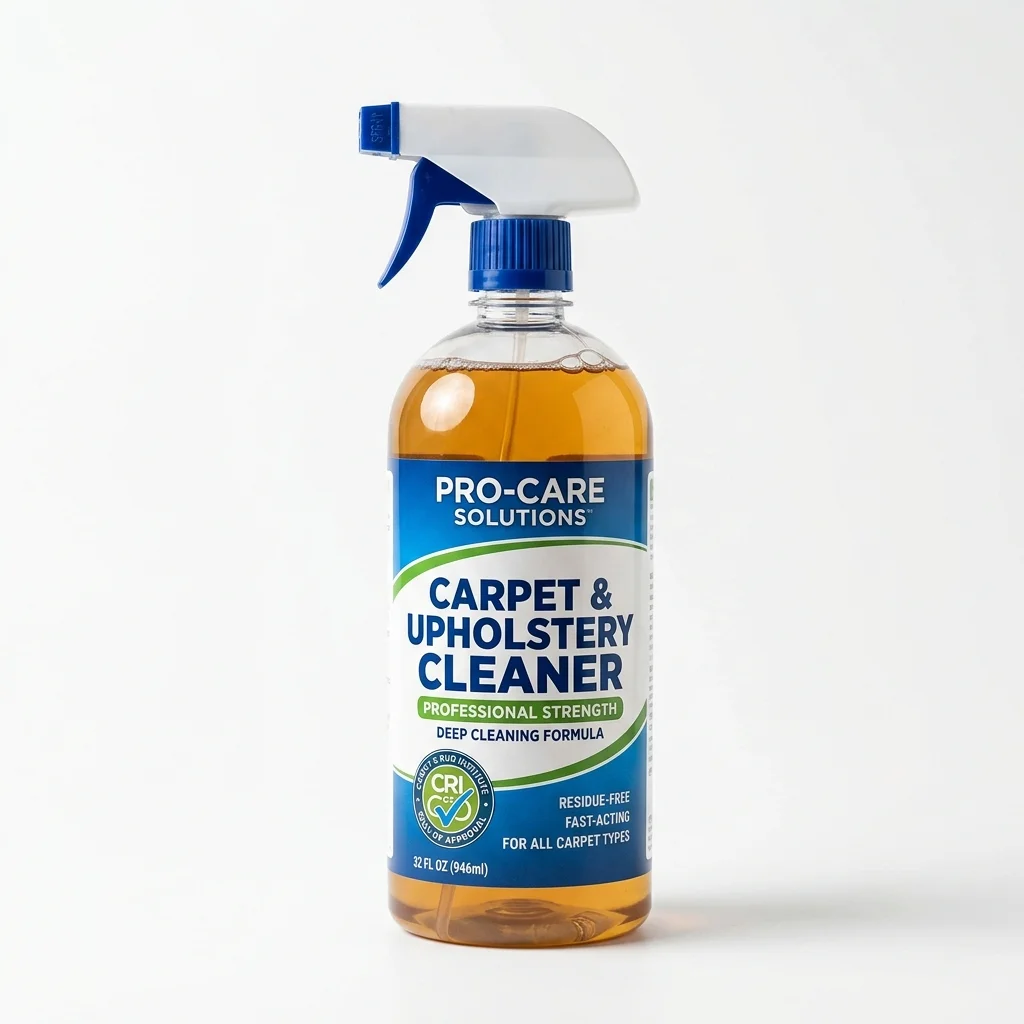
Professional Fabric and Carpet Protector Spray
Fluorochemical surface protection spray for liquid beading and stain prevention.
Check Price on Amazonscotchgard vs professional carpet protectors: aerosol vs concentrate
The difference between store-bought aerosol Scotchgard and professional carpet protector applications centers on dilution, application pressure, and mechanical agitation. Retail aerosol cans use high-pressure solvent propellants to atomize the protector. When sprayed too close to the pile, the solvent evaporates quickly, leaving concentrated fluoropolymer spots that feel crunchy or stiff underfoot.
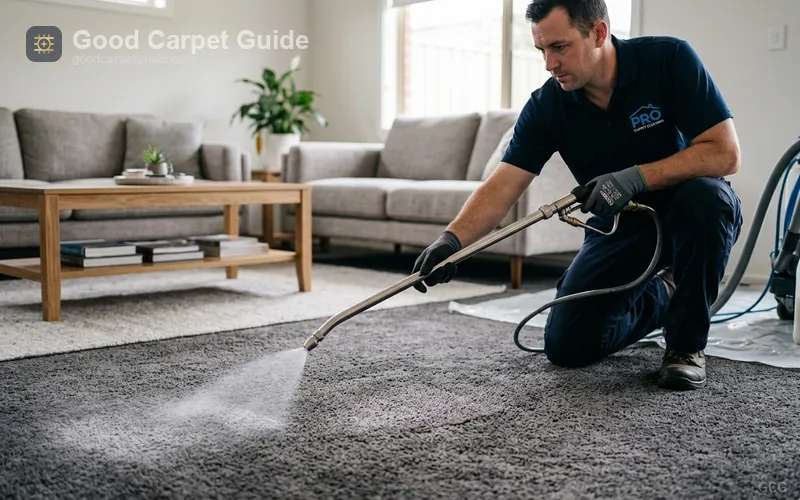
Professional technicians apply water-based fluorochemical concentrates using electric or battery-powered sprayers set to 40 to 60 PSI. Following application, technicians groom the pile using a specialized carpet rake or carding brush. Grooming forces the protector evenly down the entire length of the yarn bundle from tip to primary backing.
Improper DIY application often leads to rapid resoiling. Over-spraying aerosol protectants leaves a tacky chemical film on top of the carpet pile. Dust and foot traffic adhere to this sticky residue, creating dark traffic lanes within weeks of application. Homeowners seeking guidance on correcting chemical residue issues can consult our step-by-step review on carpet protector application .
real homeowner and installer experiences
Field reports from carpet cleaners and flooring contractors highlight common real-world challenges with topical treatments and underlayment selection:
- The "Plastic Bag" Crunching Sound: Homeowners frequently report an annoying crinkling sound underfoot after installing low-grade moisture-barrier carpet padding. This noise occurs when cheap plastic film laminates separate from the foam core under foot traffic. Installing a quality 8 lb density underlayment prevents backing noise.
- Rapid Polyester Matting: Field inspections show that low-cost polyester (PET) carpet matting cannot be reversed by topical Scotchgard or steam cleaning. Unlike Nylon 6,6, polyester lacks fiber memory and crushes permanently in high-traffic hallways.
- DIY Spray Stiffening: Homeowners who apply aerosol cans heavily report a stiff, board-like pile texture. Professional hot water extraction is required to rinse out excess residue and restore yarn softness.
- Stain Wicking After Cleaning: Liquid spills that penetrate into subfloors often reappear weeks after surface cleaning. As the carpet dries, moisture pulls buried soil back to the yarn tips via capillary action.

Roberts Professional Carpet Installation and Repair Knee Kicker
Professional knee kicker tool for precise carpet stretching and seam alignment.
Check Price on Amazonwhen to apply vs replace carpet protection
Mill-applied carpet protection wears down under daily foot traffic and routine vacuuming. The Carpet and Rug Institute recommends testing carpet protection annually by placing several drops of water on high-traffic areas. If the water absorbs into the pile within 10 seconds, the protective barrier has worn away and requires reapplication.
Reapplying carpet protector is essential after every professional hot water extraction cleaning. Deep steam cleaning removes soil, but alkaline cleaning agents and high water temperatures strip away remaining fluoropolymers. Professional cleaners reapply protector to freshly rinsed carpet while the fibers are still damp to ensure uniform absorption.
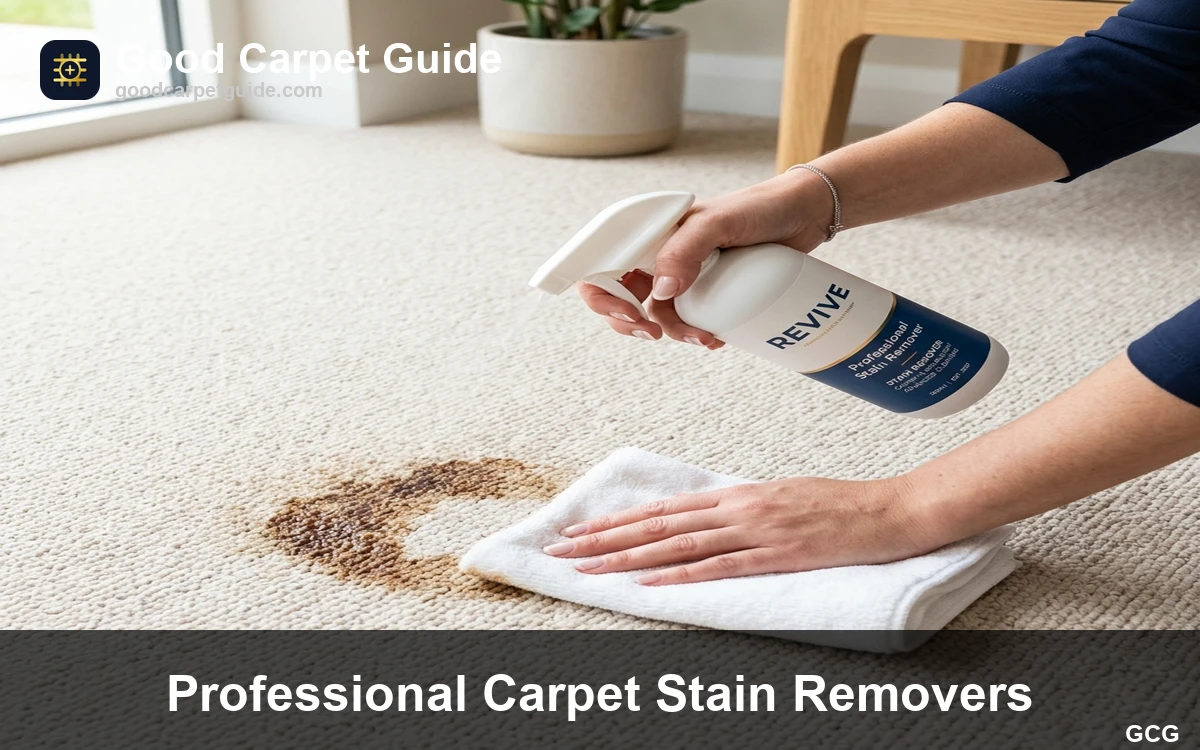
When dealing with tough set-in spots, refer to our detailed breakdown on how to remove carpet stains before applying new protective treatments.
warranty fine print and after-market application hazards
Applying unapproved aftermarket sprays can void manufacturer warranties. Major carpet mills, including Shaw Floors and Mohawk Industries, include strict guidelines regarding topical treatments in their warranty documentation:
- Unapproved Chemical Formulations: Silicone-based anti-soil sprays break down factory fiber coatings like Shaw R2X and Mohawk SmartStrand. Using unapproved silicone treatments voids stain and texture retention warranties instantly.
- Annual Professional Steam Cleaning Mandate: Most 10-year and 20-year wear warranties require professional hot water extraction by an IICRC-certified technician every 12 to 18 months. Homeowners must retain paper invoices showing professional service.
- Pet Stain Exclusions: Standard stain warranties exclude pet urine, feces, and vomit unless the carpet carries a specific "All-Pet" warranty tier. Biological stains require specialized enzymatic cleaners rather than standard fluorochemical protectants.
underlayment and padding selection for carpet protection
Carpet protection extends beyond surface sprays to include subfloor underlayment. Installing improper padding compromises carpet stability, causes seam separation, and voids manufacturer wear guarantees.
Contractors recommend keeping padding thickness between 3/8" and 7/16" with a density rating of 8 lbs per cubic foot. Excessive cushion thickness allows vertical flexing, putting undue stress on carpet backing and thermal seams.
| Subfloor Type | Moisture Barrier Requirement | Recommended Underlayment Specification |
|---|---|---|
| Concrete Slab (Below Grade) | Vapor barrier film required to block ground vapor | 7/16" 8 lb density foam with top moisture film |
| Wood / Plywood Subfloor | No vapor barrier (subfloor must breathe) | 7/16" 8 lb breathable rebond or memory foam |
| Radiant Heated Floors | High thermal conductivity (low R-value) | 3/8" high-density rubber or synthetic felt pad |
For a comprehensive analysis of padding performance metrics, read our detailed guide on carpet padding .
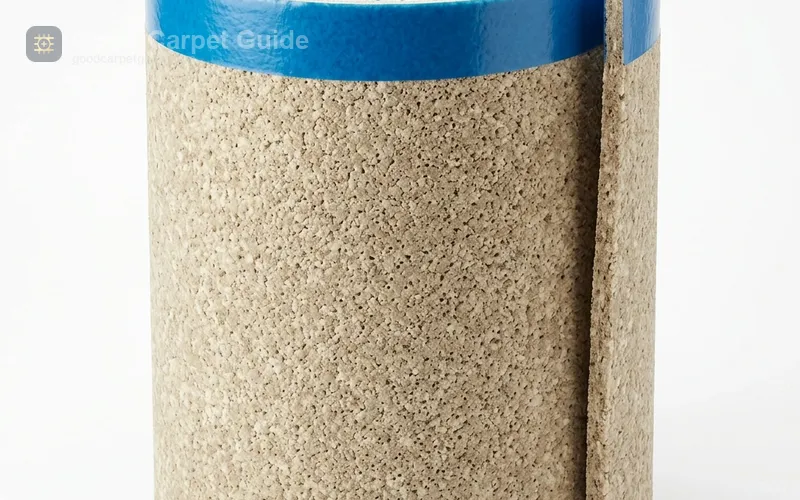
Future Foam Premium Memory Foam Carpet Padding
Premium 8-lb density carpet underlayment with integrated spill barrier layer.
Check Price on Amazoncost breakdown: diy aerosol vs professional application
Evaluating the financial difference between DIY aerosol sprays and professional concentrate application requires accounting for coverage rates, labor, and long-term durability.
================================================================================
COST COMPARISON: 1,000 SQ. FT. CARPET PROTECTION TREATMENT
================================================================================
Cost Line Item              DIY Aerosol Cans (3M Scotchgard)   Professional Application (Maxim)
--------------------------------------------------------------------------------
Material Cost               $14.00 / can (10 cans = $140)      Included in service
Labor Cost                  DIY (2 Hours labor)                Included in service
Application Equipment       None required                      Electric spray + rake grooming
Durability Rating           1 to 3 months                      12 to 24 months
Reapplication Frequency     4 Times / Year                     1 Time / Year
--------------------------------------------------------------------------------
ANNUAL TOTAL COST           $560.00                            $350.00 – $450.00
================================================================================
While a single aerosol can costs $14, treating a whole house requires multiple cans per year due to rapid breakdown under foot traffic. Professional application applied alongside annual steam cleaning provides lower annual cost per square foot and superior durability.
frequently asked questions
Field technicians and carpet care inspectors frequently receive questions regarding product durability, application safety, and warranty terms.
can you install vs scotchgard yourself
Homeowners can apply retail Scotchgard aerosol sprays to rugs, upholstered furniture, and low-traffic areas without specialized equipment. Whole-house carpet installations require professional application equipment to ensure even coverage across the pile without leaving sticky residue.
how long does vs scotchgard last
Retail Scotchgard aerosol treatments last 1 to 3 months under average residential foot traffic. Professional fluorochemical applications like Bridgepoint Maxim Advanced last 12 to 24 months or up to 20 vacuum cycles before reapplication is necessary.
when should you replace vs scotchgard
Topical carpet protection should be reapplied after every professional hot water extraction cleaning. Perform a water droplet test annually; if water absorbs into high-traffic zones within 10 seconds, reapply protector immediately.
what is the best vs scotchgard alternative for pet owners
Professional cleaners prefer Bridgepoint Maxim Advanced for homes with pets because it combines fluorochemical liquid repellency with anionic acid dye blockers. Acid dye blockers prevent deep stain penetration from organic accidents and colored fluids.
does scotchgard void carpet warranty
Applying standard 3M Scotchgard does not void most warranties if used according to manufacturer instructions. Applying unapproved silicone-based topical treatments or over-wetting carpet fibers can void mill warranties. Always check warranty terms before applying aftermarket products.