Solution-dyed cationic nylon and triexta are the strongest candidates for pet households in the compiled research, with cut-pile construction and suitable liquid protection completing the choice. Nylon is the traffic-focused shortlist; triexta is the stain-focused alternative, although construction and the exact product warranty still need comparison.
For dogs, cats and children sharing busy rooms, start with these fibers and compare the complete carpet system. If accidents are frequent, give backing and cushion protection as much attention as the visible surface. A pet stain warranty alone does not establish odor coverage: the DreamWeaver Residential Carpet Warranty summarized in the research explicitly excludes pad odor.
| Your main concern | Starting shortlist | What to compare before buying | Evidence and limitation |
|---|---|---|---|
| Busy rooms and repeated paw traffic | Solution-dyed cationic nylon; compare triexta alternatives | Cut-pile construction, texture-retention terms and specifications for the exact style | Research synthesis favors nylon for resilience; no matched product wear tests are supplied |
| Surface stains from accidents | Triexta or solution-dyed cationic nylon | Covered substances, stain-removal instructions and exclusions | SmartStrand and Shaw product summaries describe stain-focused features; exact coverage needs confirmation |
| Liquid reaching the cushion | A style with documented liquid-barrier backing | Barrier availability on the selected style and treatment of seams and edges | Shaw LifeGuard is identified in the supplied Shaw product material |
| Cats that catch carpet with their claws | Dense cut pile | Whether the sample contains exposed loops | Research decision rule identifies loops as a snagging concern |
| Lower-traffic rooms with a tight budget | Solution-dyed PET polyester | Installed quote, construction and texture-retention coverage | DreamWeaver and Phenix summaries identify polyester options; no current comparable quotes are supplied |
This comparison is an editorial compilation of the supplied manufacturer summaries and research notes. It is not a product test, and it does not establish a universal winner across all styles within a fiber category.
Nylon vs. triexta: which carpet suits pets and high traffic?
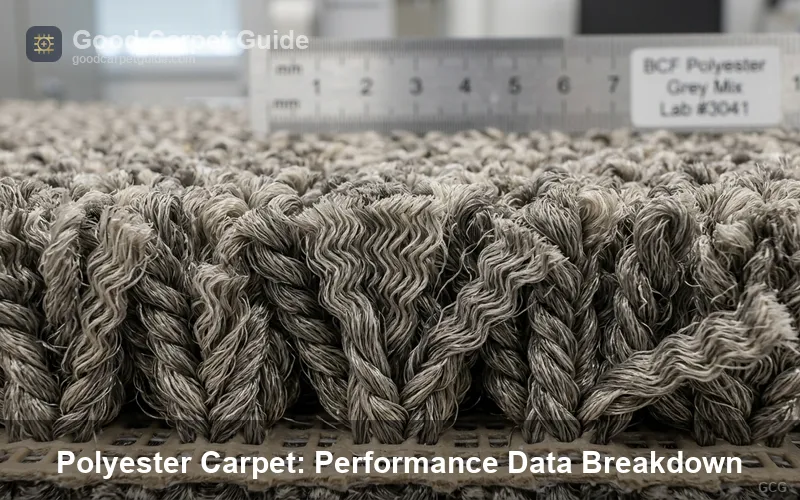
Nylon and triexta address different priorities in the supplied research: nylon is favored for recovery from repeated bending, while triexta is emphasized for inherent stain resistance. Those fiber-level distinctions help create a shortlist, but they cannot rank finished carpets without comparable construction data. For deeper analysis of polymer resilience and fiber recovery, review our technical comparison on nylon vs polyester carpet .
Solution-dyed describes how color is incorporated into the fiber. Cationic nylon is a more specific nylon type; the research associates it with reduced uptake of acid dyes. Do not assume that every carpet labeled "nylon" has both characteristics.
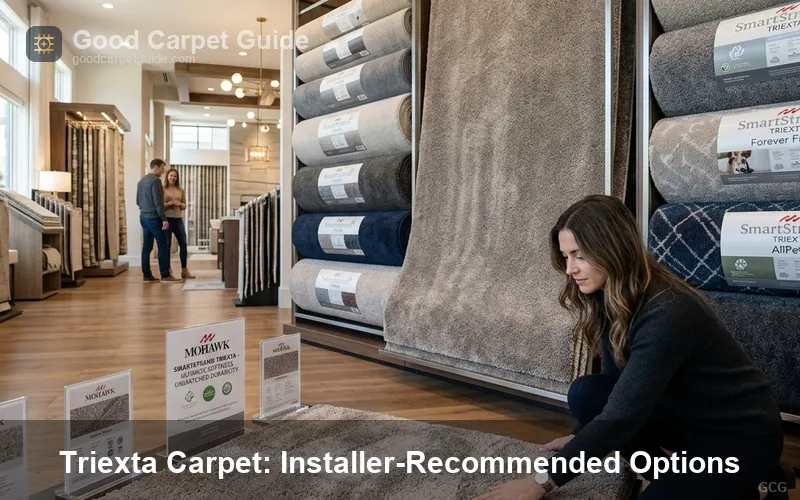
Triexta is polytrimethylene terephthalate, abbreviated PTT. The supplied Mohawk SmartStrand summary describes its stain resistance as inherent to the fiber, rather than relying solely on an applied surface treatment. That description concerns the fiber; it does not demonstrate that liquid cannot pass through the carpet system.
The research also contains conflicting durability accounts. SmartStrand marketing emphasizes durability, while a named r/Flooring discussion, "Carpet Question - Triexta or Solution Dyed Nylon," favors nylon on stairs. That discussion is anecdotal evidence, so it does not justify a categorical claim that every nylon carpet outlasts every triexta carpet.
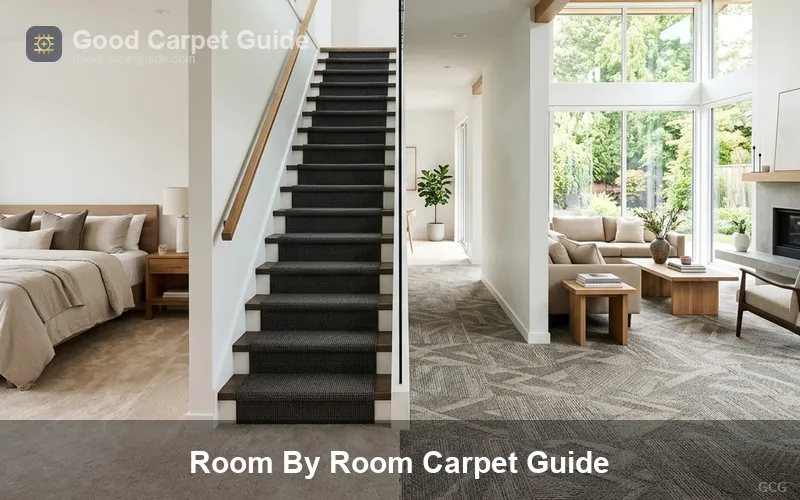
For stairs, request the exact style's texture-retention coverage and confirmation that stairs are included. For living rooms, compare products of similar pile construction before treating fiber type as the deciding factor. A longer warranty term does not supply the missing head-to-head performance evidence. For additional guidance on crush resistance in heavy hallways, consult our guide on best carpet for high traffic areas .
Which carpet construction is best for cats and dogs?
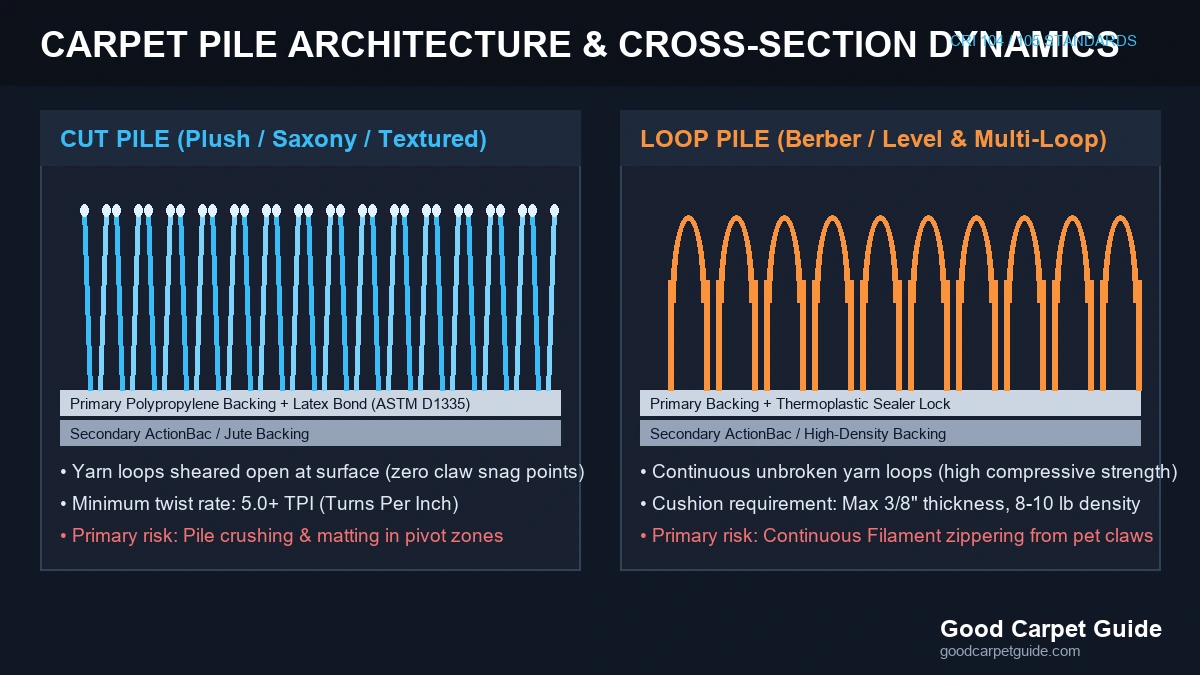
Dense cut pile is the practical starting point for cats and dogs because the supplied construction guidance identifies exposed loops as a claw-catching risk. Cut pile removes that particular loop geometry, although it does not make carpet immune to scratching or tuft damage.
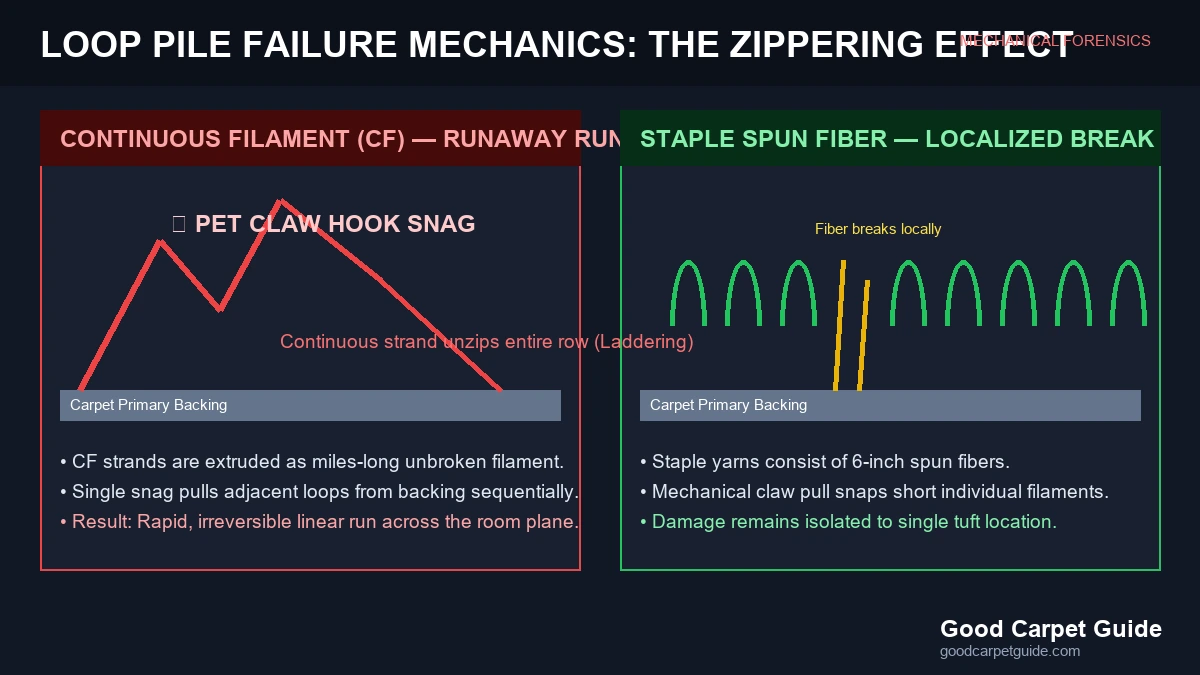
Continuous loop pile allows claws to hook into the yarn architecture, while cut pile allows claws to slip free without initiating runs.
"Berber" can be an imprecise shopping label. Ask whether the actual sample is loop pile, cut pile or a combination, rather than relying on the style name. A mixed construction still needs inspection for accessible loops.
The research recommends textured cut-pile styles for pet homes. Compare the physical samples and ask for pile height, face weight and pile density when available; these describe different aspects of construction. Face weight is the mass of pile yarn per unit area, while pile density describes how that mass relates to pile volume. To understand how density numbers are calculated from pile height and yarn mass, read our full reference on carpet density explained .
Do not adopt the research pack's commercial density requirements as residential pet minimums. Those figures come from university specifications for particular commercial projects. They are not presented as a residential standard for dogs or cats.
For pets and kids together, apply the same construction check, then compare stain coverage and care requirements against the spills and accidents your household actually has. The package label "pet friendly" is less useful than those documented conditions.
Which carpet works best with dogs that shed?
Shedding is mainly a maintenance problem rather than a durability problem. Dog hair does not cut or weaken carpet fibers, but it collects in the pile and changes how the floor looks between vacuumings. The construction choices that matter are the ones that keep hair near the surface, where a vacuum can reach it.
Lower, denser cut pile holds hair closer to the yarn tips than long plush or shag styles, where hair works down toward the backing. Tightly twisted, textured yarns also resist the matting that traps fur in traffic lanes. Ask for the twist level together with face weight and density: face weight only tells you how much yarn is in the carpet, not how well it stands back up after paws and feet flatten it.
Fiber still matters in a shedding household because it controls how quickly traffic lanes flatten. The comparison above applies here as well: nylon is generally favored for recovery from repeated compression, while triexta and polyester are chosen mainly for stain resistance. Decide which problem your home sees more often, flattened lanes or stains, and shortlist accordingly.
Color and pattern change how much hair you see, not how much is there. Medium-tone, multicolor or tweed-style textures hide both light and dark coats better than solid very light or very dark carpet. That helps between cleanings but does not replace them.
For hair removal, use a vacuum certified under the Carpet and Rug Institute's Seal of Approval program, which tests soil removal, dust containment and carpet appearance retention, and use the brush setting the carpet manufacturer recommends for your pile type. Many residential carpet warranties also require periodic professional hot-water extraction, so keep the receipts. Cleaning approaches are compared in carpet cleaning methods compared .
Dog hair and dander are separate issues. If someone in the home has allergies or asthma, the carpet decision depends on dust mites, cleaning routines and product emissions as much as on the pets, so read our guide to the best carpet for allergies before choosing.
Which pet carpet features are documented for specific products?
Pet carpet specifications vary within brands, so the exact style's fiber and backing are more useful than a collection name alone. The supplied Catch ZZB75 specification illustrates the distinction: it lists Anso High Performance Pet Nylon with Classicbac, rather than identifying LifeGuard backing.
| Product or collection | Fiber identified in supplied material | Backing or protection identified | Buying implication |
|---|---|---|---|
| Shaw Builder Catch ZZB75 | Anso High Performance Pet Nylon | Classicbac; face weight 31.2 oz/sq yd | The listed pet fiber does not establish a liquid-barrier backing |
| Shaw Pet Perfect / Pet Perfect+ | Anso nylon in the supplied summary | LifeGuard is described in the collection material | Confirm fiber and LifeGuard availability for the selected style |
| Phenix FloorEver PetPlus | SureSoftSDN solution-dyed nylon in the supplied summary | Microban protection is described | Confirm the exact style's construction and warranty; antimicrobial language does not establish urine-remediation coverage |
| DreamWeaver PureColor | Polyester or nylon, depending on product | Polypropylene secondary backing in the supplied summary | Confirm the selected fiber and any separately offered liquid protection |
| Mohawk SmartStrand | Triexta | Inherent fiber stain resistance is described | Request the exact backing specification; stain resistance alone does not establish a liquid barrier |
Sources: Catch ZZB75 specification sheet; supplied Shaw Stories and warranty summaries; Phenix FloorEver PetPlus material; DreamWeaver Residential Carpet Warranty and product summaries; supplied SmartStrand research notes. Collection-level information is not a substitute for the selected style's current technical sheet.
The Catch figure is a specification, not a recommended pet-carpet threshold. The supplied material does not provide a matched set of manufacturer sheets sufficient to rank all these products by face weight, pile density and wear results.
How do backing and padding affect pet accidents?
Carpet backing and padding affect where accident liquid can travel; fiber stain resistance addresses a different part of the problem. Shaw's supplied LifeGuard description identifies a thermoplastic liquid barrier intended to limit penetration through the backing. When liquid bypasses backing and causes adhesive degradation or seam bubbling, review our analysis on carpet delamination .
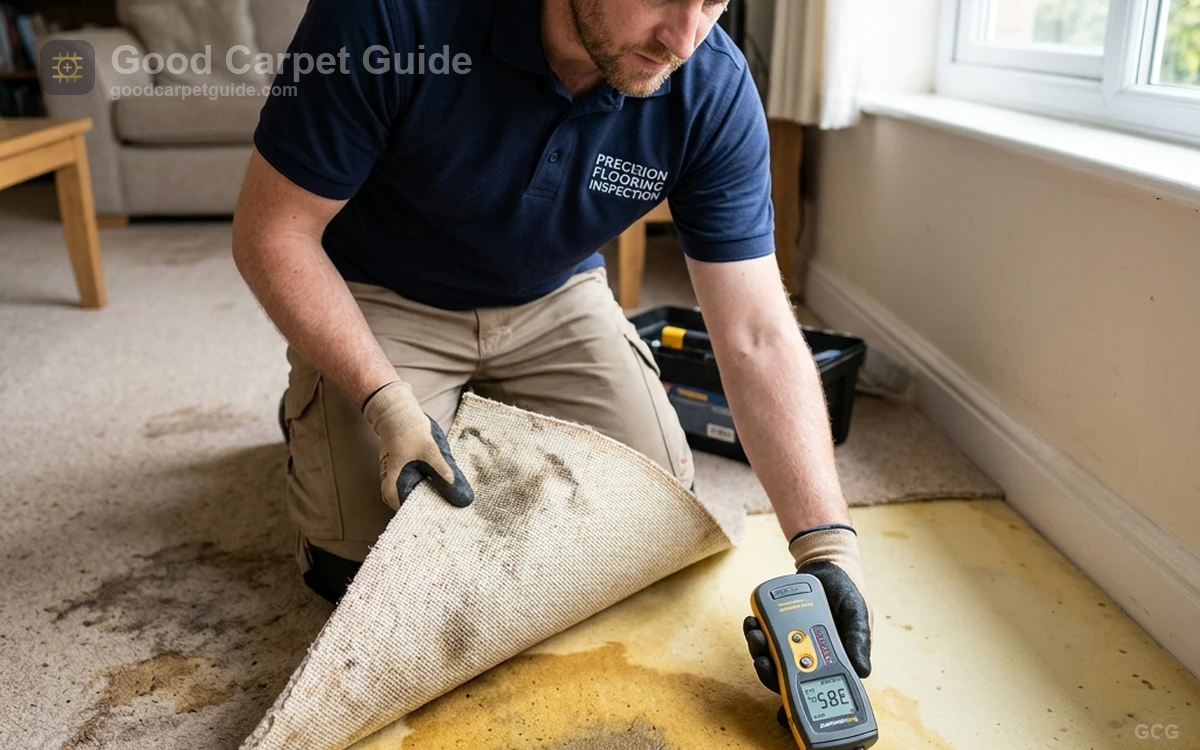
Repeated liquid penetration dissolves secondary backing adhesive over time if moisture passes unchecked into the cushion.
Ask what protection applies at seams, edges and other interruptions. The supplied research does not document those details, so a whole-room claim of complete waterproof protection requires verification with the manufacturer. Use the exact manufacturer's scope of protection when comparing offers.
A cushion with a moisture-barrier film is another option identified in the research. Treat it as a separate system component and check compatibility with the selected carpet. Do not assume a barrier cushion and a barrier-backed carpet provide identical protection.
The DreamWeaver Residential Carpet Warranty summary specifies cushion density of at least 6 lb/cu ft and thickness no greater than 7/16 inch. Those are conditions reported for that warranty, not universal requirements for every brand. The research's stronger recommendation for an 8 lb/cu ft pet-home cushion should be confirmed against your carpet manufacturer's requirements.
Before approving an installation quote, have the retailer identify the carpet style, backing, cushion model, cushion density and cushion thickness together. This makes the proposed system reviewable against the carpet warranty.
Which carpet pad works best in a pet home?
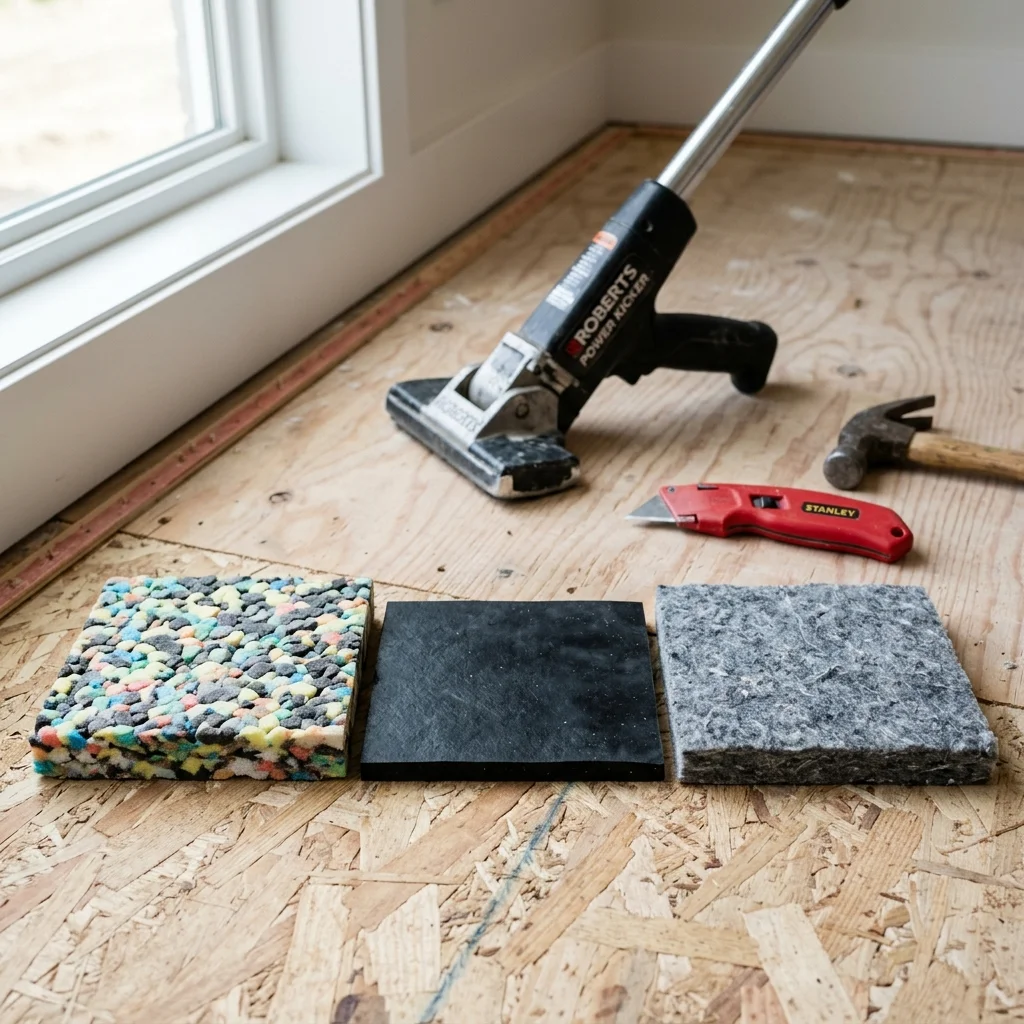
The pad decides where an accident ends up. Standard bonded (rebond) foam is open-cell, so urine that gets through the carpet backing spreads sideways and soaks in. Once urine salts dry inside the foam they can release odor again when humidity rises, and surface cleaning cannot reach them. In a pet home, pad choice is about controlling liquid and moisture first and softness second.
| Subfloor or situation | Pad to ask for | Why | Check before buying |
|---|---|---|---|
| Wood subfloor above grade (living rooms, bedrooms) | Cushion with a sealed moisture-barrier film on top | Stops accident liquid at the pad surface before it reaches the wood | The carpet warranty accepts a barrier cushion; pad seams taped |
| Concrete slab or basement | Cushion with a breathable (vapor-permeable) barrier, or no film, over a slab that has been moisture-tested | A sealed film over concrete can trap moisture rising from the slab under the carpet | Slab moisture test result; the cushion maker's below-grade guidance |
| Frequent accidents (puppies, senior dogs) | Barrier cushion plus a carpet with a moisture-barrier backing, where offered | The two layers protect different points; neither alone covers seams and edges | The manufacturer's stated coverage at seams, edges and doorways |
Barrier cushions have a top side. The film faces up, toward the carpet, because its job is to stop spills from above; installed face-down it does nothing for accidents and can hold moisture under the carpet. Ask the installer to follow the cushion manufacturer's instructions and to tape pad seams so liquid cannot run through the joints.
Density and thickness limits come from your carpet's warranty, not from the pad label. The DreamWeaver terms quoted above are one example; other manufacturers set their own minimum density and maximum thickness, and a pad that is too thick or too soft can void coverage and let the backing flex at seams. Get both numbers in writing with the quote.
Pad materials and densities are compared in our carpet padding guide , slab installations are covered in carpet padding for concrete floors , and if an accident has already reached the pad, start with how to remove pet stains from carpet before replacing anything.
Does a pet stain warranty cover urine odor?
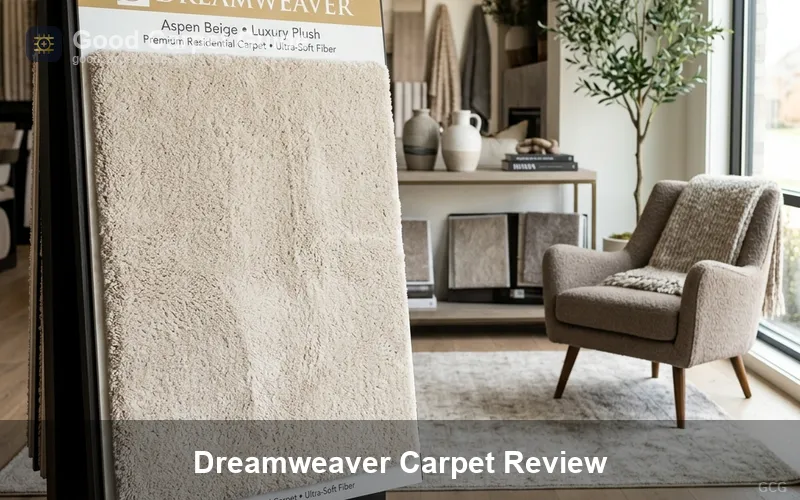
A pet stain warranty does not necessarily cover urine odor: the supplied DreamWeaver Residential Carpet Warranty explicitly excludes pad odor while addressing the visible appearance of covered pet stains. That distinction can change the value of a warranty for a household with repeated accidents.
Separate stain coverage, texture retention and abrasive wear when comparing documents. DreamWeaver's supplied warranty summary treats these as different coverages. A carpet can therefore have a stain-related promise without that promise answering a question about flattening or contamination beneath the backing.
Ask the retailer to identify the relevant clauses for:
- Covered animals and accident substances.
- Odor in the carpet, cushion and subfloor.
- Texture change and coverage on stairs.
- Required cleaning method, interval and receipts.
- Available remedy and responsibility for associated work.
Do not translate a warranty term into an expected service life. The supplied research contains no independent lifespan data for these products. Compare what the warranty covers and what the owner must do to preserve coverage.
What do CRI and ASTM references tell you about pet carpet?
Carpet standards describe particular installation or test requirements; naming a standard does not establish that a product is the best carpet for pets. The useful question is which documented requirement or result applies to your selected style.
The Carpet and Rug Institute (CRI) residential installation standard, CRI 105, addresses installation rather than pet stain performance. The supplied summary identifies cushion selection and power stretching during stretch-in installation as relevant subjects. Ask whether the proposed installation follows the applicable manufacturer instructions and residential installation requirements.
ASTM International test methods address narrower properties. The supplied research identifies ASTM D1335 as a tuft-bind test, which measures the force needed to pull a tuft free, and ASTM D5252 and D5417 as accelerated appearance-change tests. A reported test method needs its actual result and test conditions before it helps compare products.
The research pack does not establish a universal pet-specific pass mark for these tests. Its proposed tuft-bind and appearance thresholds require verification against specific brand specifications. Avoid presenting commercial purchasing specifications as general ASTM requirements.
What is the best carpet cleaner or shampooer for pets?
The best cleaner or shampooer cannot be named from the supplied research because it contains no adequately documented comparison of specific cleaning products or machines. Start with the selected carpet's care instructions and permitted cleaning products.
"Carpet cleaner" can mean a spot-treatment solution, an extraction machine or a professional service. Each answers a different need. For a spot cleaner or shampoo, confirm compatibility with the fiber and warranty; for a machine, compare documented cleaning and extraction performance.
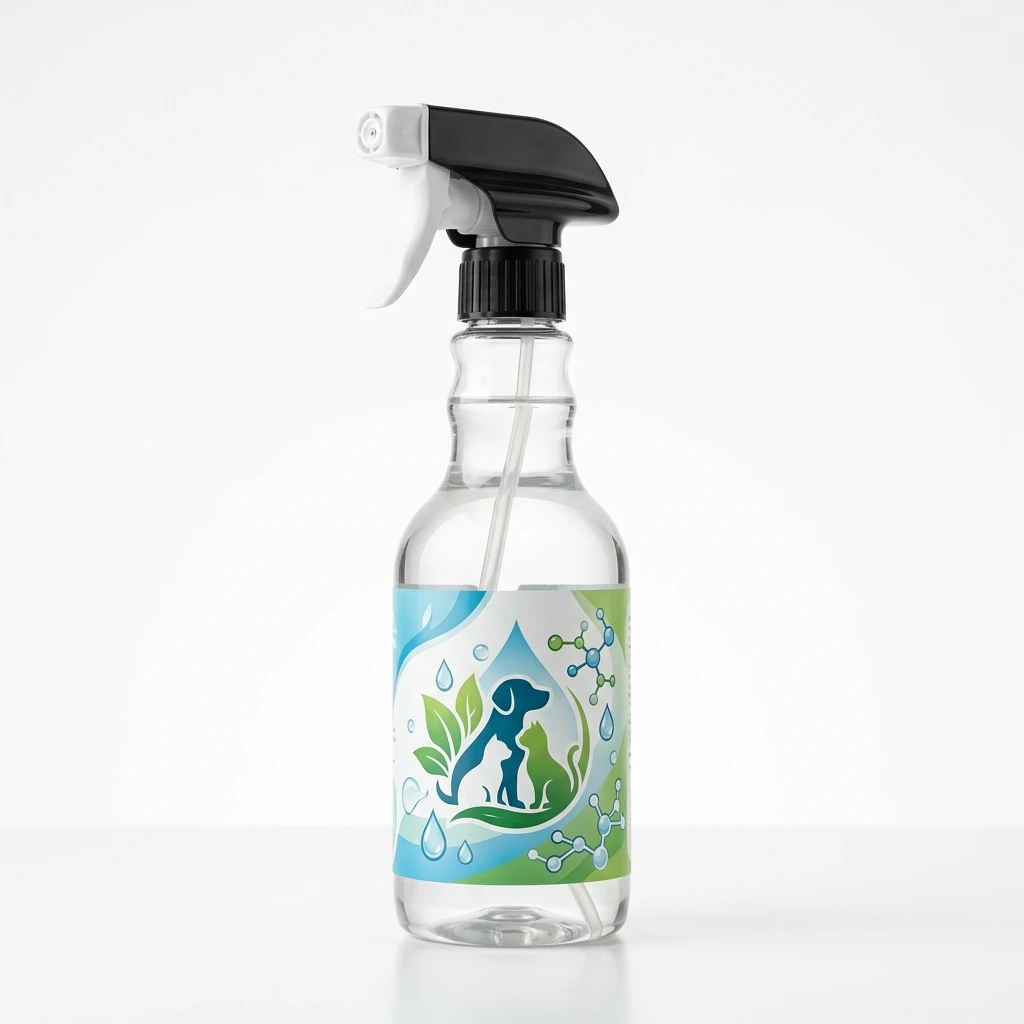
Nature's Miracle Advanced Enzymatic Cleaner
Enzymatic formula designed for pet organic waste spots to break down urine residues before deep extraction.
Check Price on AmazonThe CRI Seal of Approval program evaluates carpet-cleaning equipment and solutions, according to the supplied program summary. Check the exact product's approval rather than assuming approval applies to every machine or detergent sold by a brand. The research provides no evidence for a named "best" pet shampoo.
The Institute of Inspection, Cleaning and Restoration Certification (IICRC) publishes professional cleaning standards. However, the supplied notes do not adequately substantiate their claimed universal cleaning-chemistry limits or detailed urine-restoration rules. Follow the carpet's documented care instructions and seek assessment when contamination appears to extend beneath the surface.
How should you choose carpet for your pet household?
Choose pet carpet by matching the documented system to your largest recurring problem: traffic, claw snagging or liquid penetration.
Follow this systematic purchase evaluation sequence:
- Identify the primary priority between high-traffic crush resistance and repeated accident resistance.
- Inspect physical samples for exposed loop geometry that risks catching animal claws.
- Obtain the exact style specification sheet detailing fiber polymer, twist rate and backing type.
- Verify cushion density and thickness compliance against the manufacturer warranty requirements.
- Review the fine-print exclusions regarding pet vomit, moisture migration and underlying pad odors.
For a pet home with heavy traffic and recurring accidents, the strongest purchase is a suitable cut-pile carpet with documented traffic coverage, liquid protection and compatible cushion. Choose the exact system whose specifications and exclusions match your household, rather than buying on the strength of a pet label alone.