what carpet padding is actually made of and why it matters for toxicity
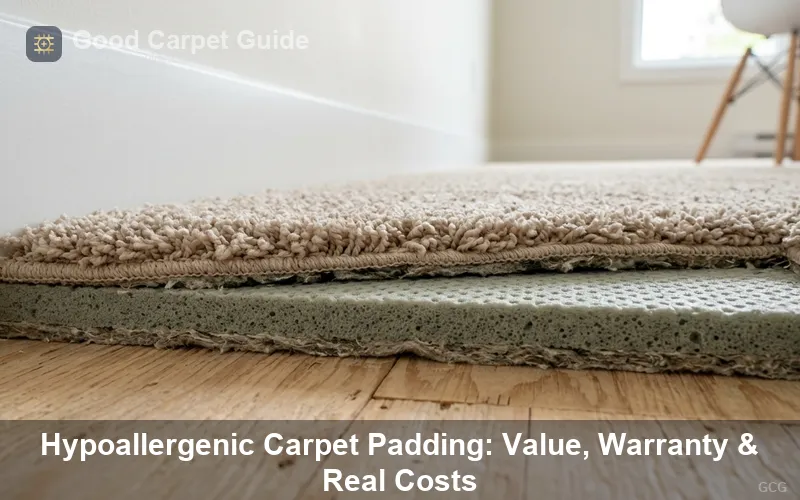
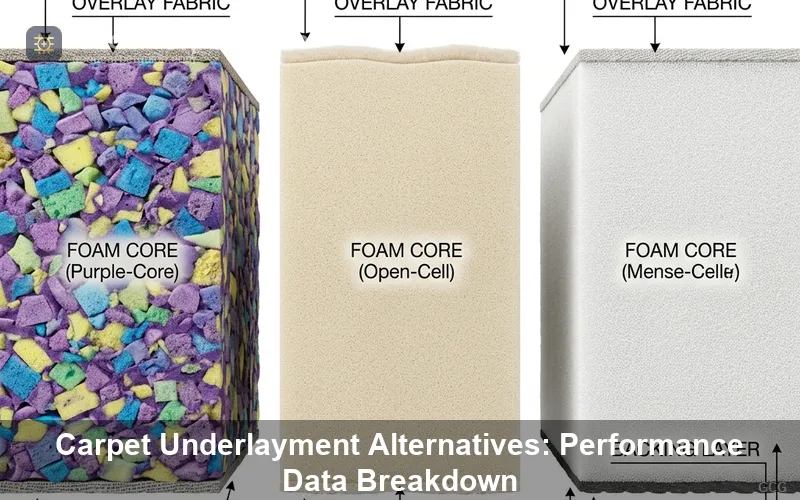
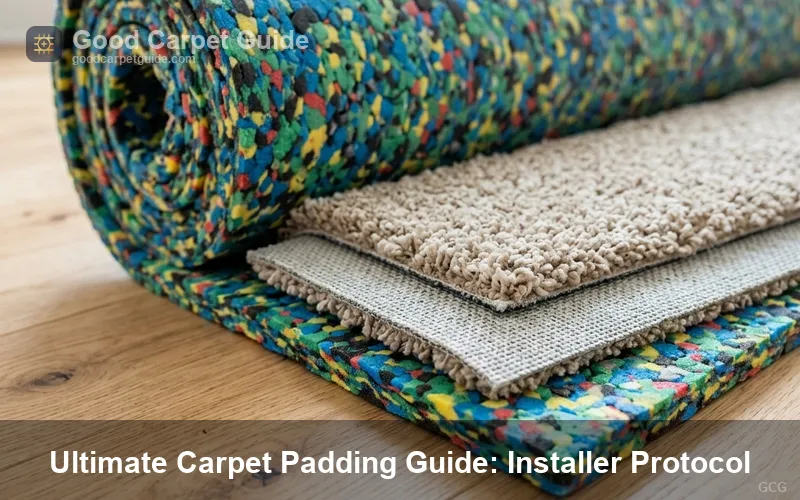
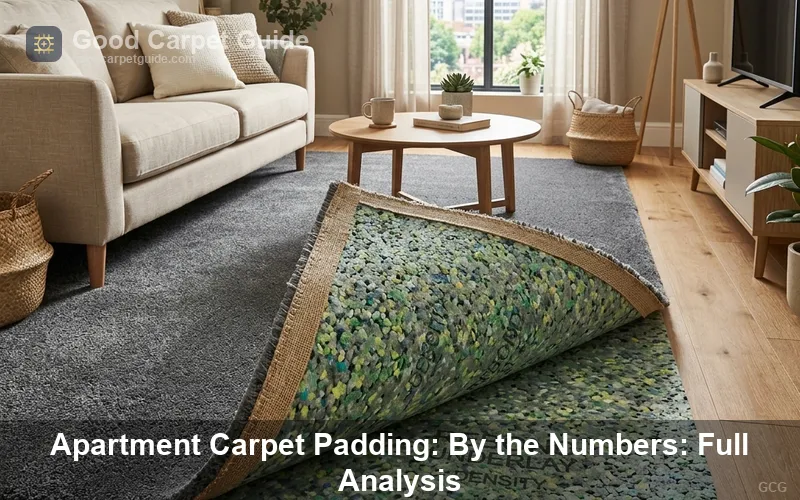
Carpet padding is a cushioning layer installed between the subfloor and the carpet backing, and its raw material determines what enters household air. Three material categories dominate the current US market: rebonded foam, prime foam, and frothed polyurethane. Rebonded foam accounts for roughly 85% of residential installations and is manufactured by compressing shredded scrap polyurethane — sourced from furniture cushions, automotive seating, and industrial foam waste — into dense, multicolored blocks.
Prime foam is a virgin polyurethane product manufactured directly for padding use, without recycled feedstock. Prime foam carries fewer legacy contaminants than rebond foam but typically fails under high-traffic conditions faster, since it lacks the higher-density compression of rebonded material. Frothed polyurethane, by contrast, is poured and cured on-site or in-factory as a liquid, producing a denser, more uniform cushion used mainly in commercial and premium residential applications.
Synthetic fiber and felt padding represent a smaller but growing segment, manufactured from recycled textile fibers rather than foam chemistry. Felt padding does not off-gas 4-phenylcyclohexene in the same way foam-based products do, since felt lacks the styrene-butadiene rubber layer found in bonded carpet backing.
Installer diagnostic checklist for padding material identification:
- Cut a small cross-section sample and check color — rebond foam displays multicolored fragments; prime foam is uniform in tone.
- Press the sample firmly — rebond foam resists compression more than prime foam of equal thickness.
- Check for an integrated moisture barrier layer, visible as a thin plastic film on one face.
- Confirm the density stamp on the manufacturer label, expressed in pounds per cubic foot.
- Note any embedded odor at the point of unrolling — strong chemical odor at installation indicates high initial VOC load.
Carpet padding composition sets the baseline for every downstream question about chemical exposure, durability, and warranty compliance addressed in this guide.
what chemicals are in carpet padding and what they do to indoor air
Volatile organic compounds (VOCs) are carbon-based chemicals that evaporate from carpet padding and carpet backing at room temperature, and this evaporation process is commonly called off-gassing. Off-gassing from new carpet installations produces a recognizable chemical odor that includes toluene, benzene, formaldehyde, styrene, and 4-phenylcyclohexene (4-PCH).
| Chemical | Primary Source | Documented Health Association |
|---|---|---|
| 4-Phenylcyclohexene (4-PCH) | Styrene-butadiene rubber (SBR) latex backing | Headaches, throat irritation |
| Toluene | Adhesives, backing compounds | Dizziness, nausea |
| Formaldehyde | Backing resins | Respiratory irritation |
| PBDE flame retardants | Recycled rebond foam | Endocrine disruption, feline hyperthyroidism |
| BHT (butylated hydroxytoluene) | Uncertified rebond padding | Carpet yellowing, suspected endocrine activity |
Acute exposure to this VOC mixture causes headaches, dizziness, nose and throat irritation, and shortness of breath in sensitive populations, particularly during the first 48 to 72 hours after installation when off-gassing rates peak. Forum users on r/HomeImprovement document cases of renters becoming dizzy and nauseous from installation fumes within 24 hours of synthetic pad placement, a pattern consistent with acute VOC exposure documented in EPA indoor air quality guidance.
is 4-phenylcyclohexene the primary voc concern in carpet padding
4-Phenylcyclohexene is the chemical compound most responsible for the distinctive "new carpet smell," and 4-phenylcyclohexene is a byproduct of the SBR latex backing used in approximately 95% of US carpets rather than a component of the padding itself. This distinction matters because padding selection alone does not eliminate 4-PCH exposure — the carpet's own backing generates the compound independent of which cushion sits underneath it.
4-PCH off-gassing follows a predictable decay curve, with peak concentration occurring in the first week and measurable reduction over the following 30 to 60 days under normal ventilation. Low-VOC carpet backing formulations reduce initial 4-PCH concentration, but no residential carpet product eliminates the compound entirely, since SBR latex remains the industry-standard backing adhesive.
what are pbde flame retardants and why recycled rebond foam contains them
Polybrominated diphenyl ethers (PBDEs) are a class of brominated flame retardant chemicals applied to furniture foam manufactured before the mid-2000s, and PBDE compounds were restricted or banned in the US and EU due to documented endocrine-disrupting and carcinogenic properties. Rebond foam padding relies on recycled polyurethane scraps pulled from decades of furniture and automotive foam waste, and this recycling process continuously reintroduces legacy PBDE-treated material into modern homes.
Mechanical wear on rebond foam padding — from foot traffic, vacuuming, and furniture movement — converts embedded PBDE compounds into bioavailable household dust. This dust settles on flooring surfaces and becomes accessible to household occupants and pets through direct floor contact, a mechanism largely absent from mainstream carpet buying guides despite rebond foam's dominant 85% market share.
Carpet padding chemistry, taken together, presents a layered exposure profile: short-term VOC off-gassing from backing adhesives, and long-term particulate exposure from flame retardants embedded in recycled foam. Certification standards addressed later in this guide directly target both exposure pathways.
is carpet padding toxic to dogs and cats
Is carpet padding toxic to dogs? Standard rebond and prime foam padding is not classified as chemically toxic upon ingestion in the traditional poisoning sense, but foam ingestion creates a serious mechanical hazard. Puppies and dogs exhibiting pica behavior chew and swallow exposed foam padding, and the foam expands and bunches inside the gastrointestinal tract. This expansion pattern creates a high-risk obstruction that frequently requires emergency surgical removal.
Is carpet padding toxic to cats? Cats face a different and more chronic exposure pathway than dogs. Cats live in close, continuous contact with flooring surfaces and groom their paws multiple times daily, and this grooming behavior transfers flame-retardant-contaminated household dust directly into the digestive system. Veterinary literature identifies cats as a sentinel species for household chemical toxicity, since feline exposure patterns often surface health effects before comparable effects appear in human occupants of the same home.
Technical warning note: Feline hyperthyroidism incidence has risen sharply since the late 1970s, and this rise is directly associated with household PBDE exposure from recycled foam products, including rebond carpet padding. Households with pica-prone dogs or indoor cats should prioritize UL GREENGUARD Gold certified padding, which is screened for over 10,000 chemicals including PBDE compounds, over standard uncertified rebond foam.
what happens when dogs chew and ingest carpet padding foam
Foam ingestion in dogs follows a consistent clinical pattern documented across veterinary case reports: the dog chews an exposed padding edge, swallows fragments, and the fragments absorb gastric moisture and expand within the stomach or intestinal tract. Obstruction symptoms include vomiting, lethargy, and abdominal distension, typically appearing within 12 to 48 hours of ingestion. Emergency veterinary intervention, including surgical removal, becomes necessary once obstruction is confirmed, since foam fragments do not pass naturally once swollen.
how carpet padding flame retardants affect cats differently than dogs
Cats experience continuous, low-dose flame retardant exposure through grooming rather than the acute mechanical risk dogs face from direct ingestion. This grooming-based exposure pathway means flame retardant load accumulates gradually in feline tissue, correlating with the documented rise in feline hyperthyroidism rather than producing an acute obstruction event. Households replacing carpet padding for pet safety reasons should treat dog-related risk and cat-related risk as two separate hazard categories requiring two different mitigation strategies — physical containment for dogs, chemical certification for cats.
what is the least toxic carpet padding available in the us market
Certification status, not price point, is the single strongest predictor of chemical exposure risk in carpet padding. UL GREENGUARD Gold Certification and CRI Green Label Plus are the two independent programs that screen padding products against defined VOC emission thresholds, and padding lacking either certification carries no verified exposure ceiling.
Ranked low-toxicity padding options:
- Healthier Choice (HC) 10-lb Memory Foam Pad — The only carpet cushion holding UL GREENGUARD Gold Certification, screened for over 10,000 chemicals. Contains no PBDE, BHT, formaldehyde, or triclosan. Carries a NeverCrush Guarantee maintaining 90% of original thickness for the product's functional life, and doubles the texture retention warranty of carpet installed over it.
- QuietWalk 8-lb Density Pad — Manufactured from recycled synthetic fibers rather than rebond foam, with documented sound reduction and moisture protection performance. Field data identifies QuietWalk as the standard foundation choice for Berber carpet installations.
- Stainmaster Carpet Cushion — Engineered with a breathable moisture barrier that stops spills and pet accidents from soaking into the subfloor while allowing ground vapor to escape upward, preventing subfloor mold accumulation.
Padding without GREENGUARD Gold or Green Label Plus certification carries no independently verified VOC ceiling, regardless of price or brand marketing claims. Households prioritizing indoor air quality should treat certification as a non-negotiable purchase filter rather than an optional upgrade, consistent with the full carpet padding selection guide .
do carpet padding warranties actually protect homeowners
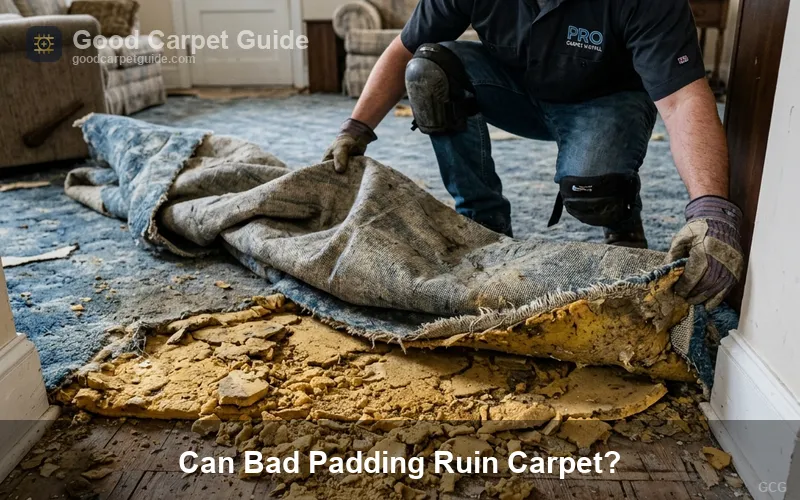
Homeowner Barbara Smith posted a warranty complaint on an industry forum describing a builder-grade pad that failed within one year: the padding developed hard spots, and the breakdown transferred visible damage into the carpet above it. This regret scenario repeats across builder-grade installations nationwide, and the underlying cause traces back to a documented installation shortcut rather than material failure alone.
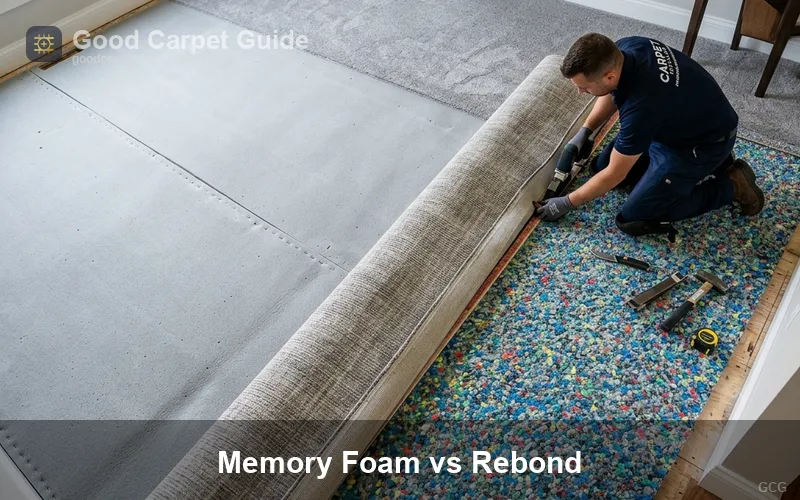
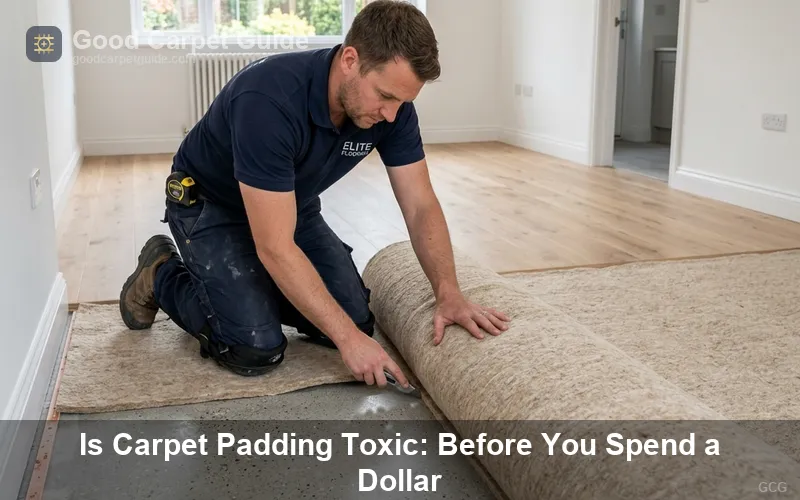
Carpet manufacturer warranties mandate power-stretching during installation, a process that uses a mechanical power-stretcher to pull carpet taut against tack strips. Big-box store subcontractor crews, paid per completed job and operating under high-volume daily quotas, frequently substitute a knee-kicker — colloquially called a "Stinger" — to save approximately 30 minutes per room. Documented installer warning states that carpets installed using a Stinger instead of a power-stretcher void all manufacturer warranties and develop buckling and rippling within 12 months.
Trade-off analysis: Homeowners choosing to reuse existing padding under new carpet face a comparable warranty risk. Reused padding rarely meets warranty requirements for new carpet, and the cost savings from reusing padding typically disappear once the carpet wears prematurely or the manufacturer denies the resulting warranty claim. Used padding has already lost elasticity and commonly holds trapped mold, dander, and allergens accumulated under the prior carpet.
Proration schedules compound this risk further. After year five of a stated "20-year" or "Lifetime" warranty, the manufacturer typically covers only a fractional percentage of material cost, while labor, pad replacement, and furniture-moving costs are excluded entirely. This proration structure is a documented complaint pattern among US homeowners filing warranty claims, and the practical value of a long warranty term drops sharply once proration begins.
carpet padding thickness and density: what the numbers mean for health and performance
Carpet padding density, measured in pounds per cubic foot, determines structural support independent of thickness, and confusing the two measurements is the most common purchasing error homeowners make.
Diagnostic workflow for selecting padding density and thickness:
- Identify room traffic level — standard residential rooms require minimum 6-lb density; high-traffic hallways and stairs require 8-lb density or higher, consistent with the density standards for stair installations .
- Confirm carpet fiber type — Berber and low-loop carpets require thinner, higher-density padding to prevent uneven flex and loop unraveling.
- Check manufacturer maximum thickness specification — most residential carpet warranties cap padding thickness at 7/16 inch to 1/2 inch.
- Reject any padding recommendation based on thickness alone without a paired density rating.
- Compare candidate products using the 8lb versus 10lb density performance comparison before final selection.
The "thicker is better" assumption drives homeowners toward 1/2-inch or larger padding in pursuit of maximum underfoot comfort, but padding thicker than 1/2 inch damages standard residential carpet. Excessive vertical movement under thick, soft padding stretches carpet backing, snaps seams, and pulls carpet away from wall tack strips over time — a failure mode connected to carpet delamination from backing failure .
Memory foam padding presents a related but distinct risk. Memory foam's deep compression "give" allows carpet backing to stretch excessively under foot traffic, and this excessive stretch leads to premature backing failure and permanent wrinkles under standard residential traffic loads — a pattern documented by installers despite premium memory foam padding's marketing emphasis on comfort.
Summary note: 7/16-inch thick, 8-pound density rebond foam represents the documented sweet spot for standard residential use, delivering a 30% to 50% extension of carpet lifespan compared to builder-grade 5-lb padding under equivalent traffic conditions.
how to reduce carpet padding off-gassing after a new installation
Off-gassing reduction begins before installation day and continues through the first 30 to 60 days of occupancy, the window during which VOC concentration decays from peak to baseline.
Step-by-step off-gassing reduction sequence:
- Request low-VOC or GREENGUARD Gold certified padding and carpet backing before installation, rather than attempting mitigation after the fact.
- Ventilate the installation area continuously for the first 72 hours using open windows and exterior-venting fans, consistent with EPA indoor air quality guidance for new material off-gassing.
- Delay full room occupancy — particularly for infants, pregnant occupants, and individuals with respiratory sensitivity — for at least 48 to 72 hours post-installation.
- Run HVAC systems with fresh outdoor air intake rather than recirculated indoor air during the first week.
- Vacuum weekly using a HEPA-filtration vacuum for the first month to capture settling particulate before it becomes airborne household dust.
Conditional recommendation: Households with infants, pets, or chemically sensitive occupants should require GREENGUARD Gold certification at the point of purchase rather than relying on post-installation ventilation alone, since ventilation reduces acute VOC exposure but does not address long-term PBDE particulate release from uncertified rebond foam.
carpet padding cost breakdown: material, labor, and what big-box stores don't advertise
Carpet padding material cost varies significantly by category, and material cost alone represents only a fraction of total installed project cost.
| Padding Type | Material Cost (per sq. ft.) |
|---|---|
| Rebonded Foam | $0.25 – $0.80 |
| Prime Foam | $0.25 – $1.50 |
| Synthetic Fiber / Felt | $0.35 – $1.25 |
| Memory Foam / Viscoelastic | $0.50 – $1.00 |
| Frothed Polyurethane | $0.50 – $2.00 |
| Flat Rubber | $0.75 – $3.00 |
| Cost Category | Big-Box Store | Local Flooring Dealer |
|---|---|---|
| Advertised material rate | $1.99 – $2.29/sq. ft. | Not typically advertised as standalone rate |
| All-in installed cost | $5.00 – $7.00/sq. ft. | $8.50/sq. ft. (all-inclusive) |
| Padding grade included | Builder-grade, often 5-lb | 8-lb premium standard |
| Furniture moving | Frequently excluded/upcharged | Included |
| Old flooring disposal | Frequently excluded/upcharged | Included |
| Measurement fee | $35 – $100 | Free |
Big-box store installation upcharges run 30% to 50% higher than the advertised material rate once padding, labor, furniture moving, and disposal fees are added to the base quote. Local flooring dealer all-inclusive quotes average $8.50 per square foot, a figure that already includes 8-lb premium padding, furniture moving, old flooring disposal, and free measurement — eliminating the $500 to $2,000 install-day surprise charges commonly reported against big-box contracts.
Padding cost decisions carry consequences beyond the padding itself. Documented real-world performance data from installer communities shows that a $6 carpet installed over $0.50 builder-grade padding underperforms a $3 carpet installed over $1.50 quality padding, since the padding layer — not the carpet fiber alone — determines how evenly wear distributes across the installed system. A $1.00 per square foot upgrade in padding density adds approximately five years to the usable life of a $4.00 per square foot carpet, a return that offsets the higher upfront padding cost within the first two to three years of ownership.
Radiant floor heating systems introduce a separate cost and performance constraint: flat rubber pad, with an R-value of 0.31, is the correct padding choice for radiant under-floor heating, since standard foam padding blocks heat transfer entirely. CRI residential guidelines cap maximum padding R-value at 4.0 for any installation over radiant heating, a specification homeowners frequently overlook when selecting padding based on comfort or price alone.
frequently asked questions
Is new carpet padding toxic to breathe?
New carpet padding releases VOCs including 4-phenylcyclohexene, toluene, and formaldehyde during the first 72 hours after installation, and this off-gassing causes headaches, throat irritation, or dizziness in sensitive individuals. Ventilation and GREENGUARD Gold certified padding reduce this acute exposure window.
How long does carpet padding off-gas?
Carpet padding off-gassing peaks within the first week of installation and declines to near-baseline levels within 30 to 60 days under normal ventilation, though PBDE particulate release from rebond foam continues at a low level over the padding's full service life.
Is memory foam carpet padding safer than rebond foam?
Memory foam padding is not inherently safer chemically unless it carries independent certification such as UL GREENGUARD Gold. Memory foam padding also carries a distinct performance risk: excessive compression under standard foot traffic causes premature carpet backing failure independent of its chemical profile.
Does reusing old carpet padding save money safely?
Reused padding rarely meets manufacturer warranty requirements for new carpet installations and typically holds trapped mold, dander, and allergens accumulated under the prior carpet, making reuse a false economy despite the upfront cost savings.
What carpet padding density is safest for homes with pets?
No density rating alone addresses pet-related risk. Households with dogs prone to chewing should prioritize physical containment and supervised access to exposed padding edges, while households with cats should prioritize UL GREENGUARD Gold certified padding to limit flame retardant dust exposure through grooming.
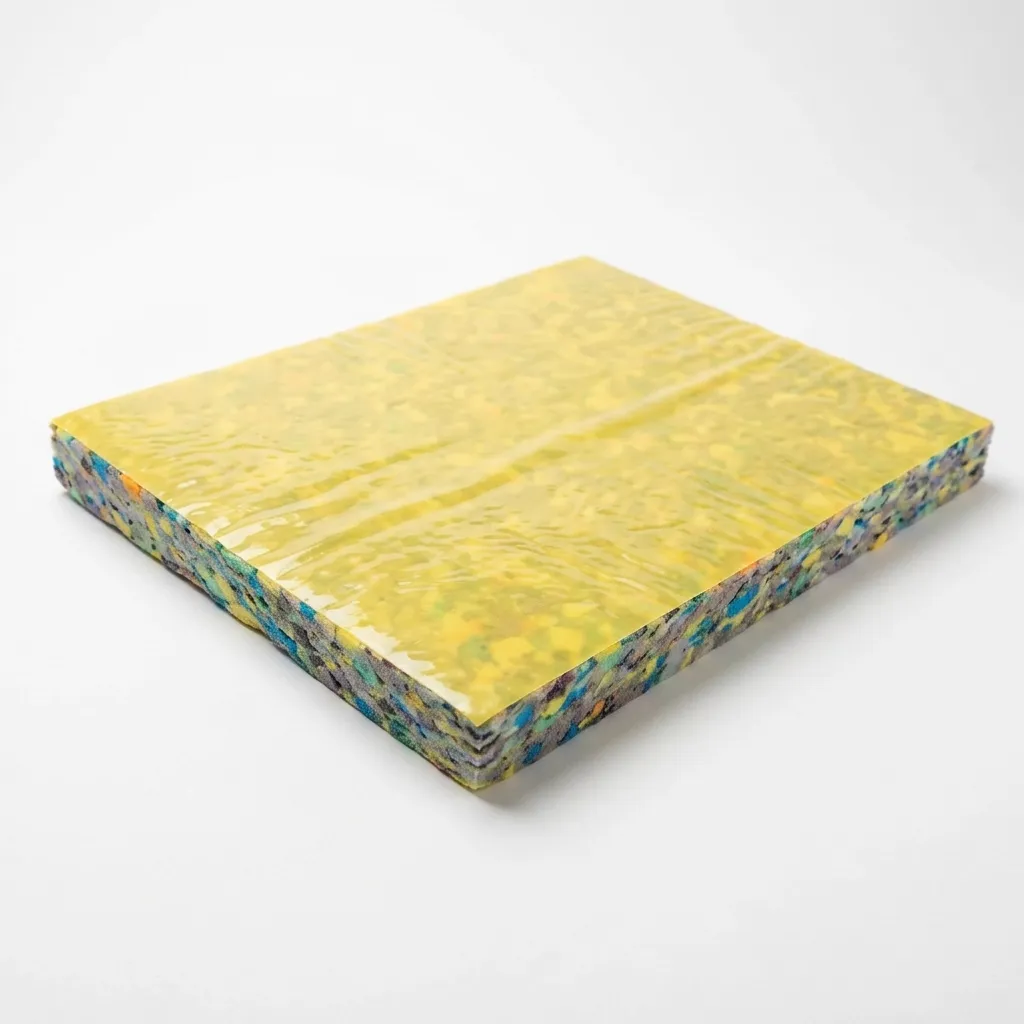
Mohawk SmartCushion Premium Carpet Padding
Mohawk SmartCushion is an 8-lb density rebond pad with an integrated moisture barrier, making it a low-VOC alternative to builder-grade foam for standard residential installations.
Check Price on Amazon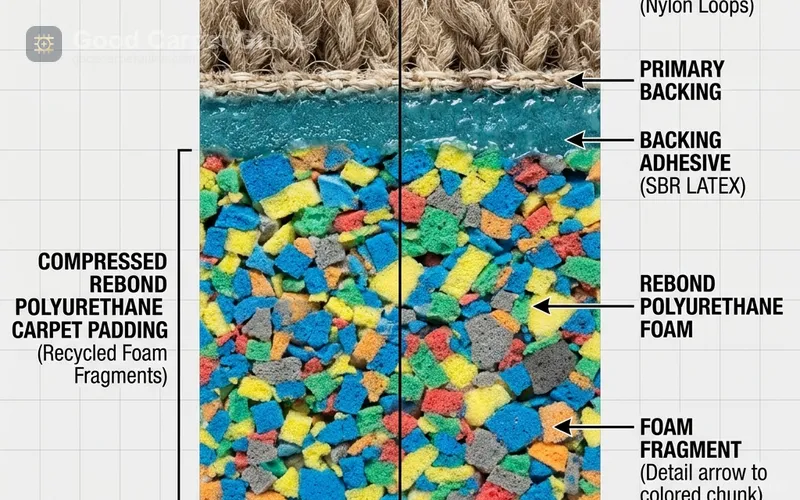
A cross-section view of rebond foam carpet padding showing the compressed polyurethane layers where legacy PBDE flame retardants concentrate and release into household dust over time.
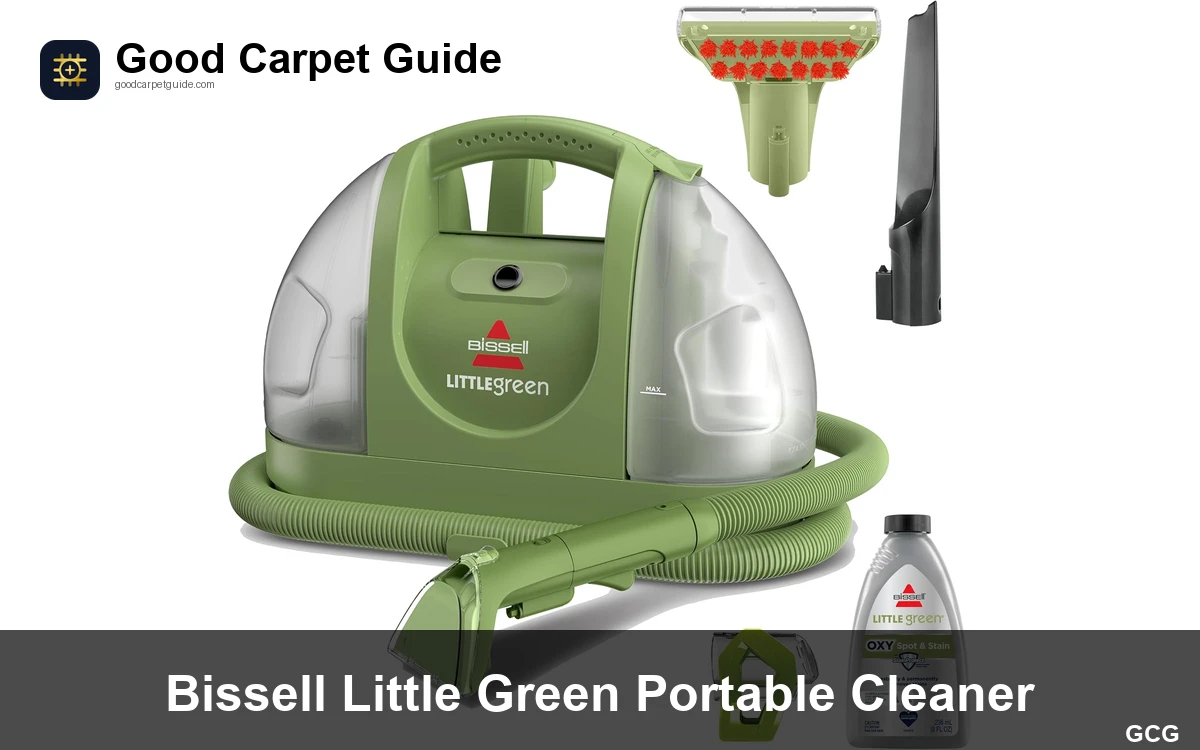
Bissell Little Green Portable Carpet Cleaner
The Bissell Little Green extracts pet urine and spill residue that has penetrated through to the padding layer, reducing the risk of wicking and subfloor moisture accumulation.
Check Price on Amazon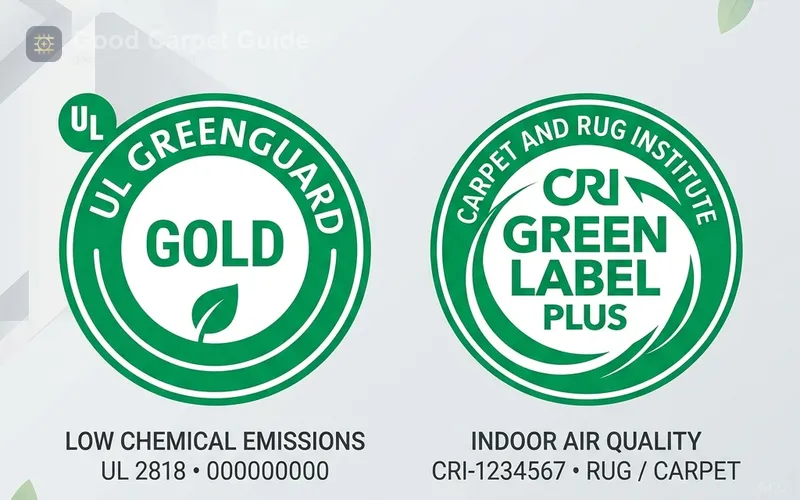
UL GREENGUARD Gold and CRI Green Label Plus are the two independent certifications that verify carpet padding has been screened for VOC off-gassing below established indoor air quality thresholds.
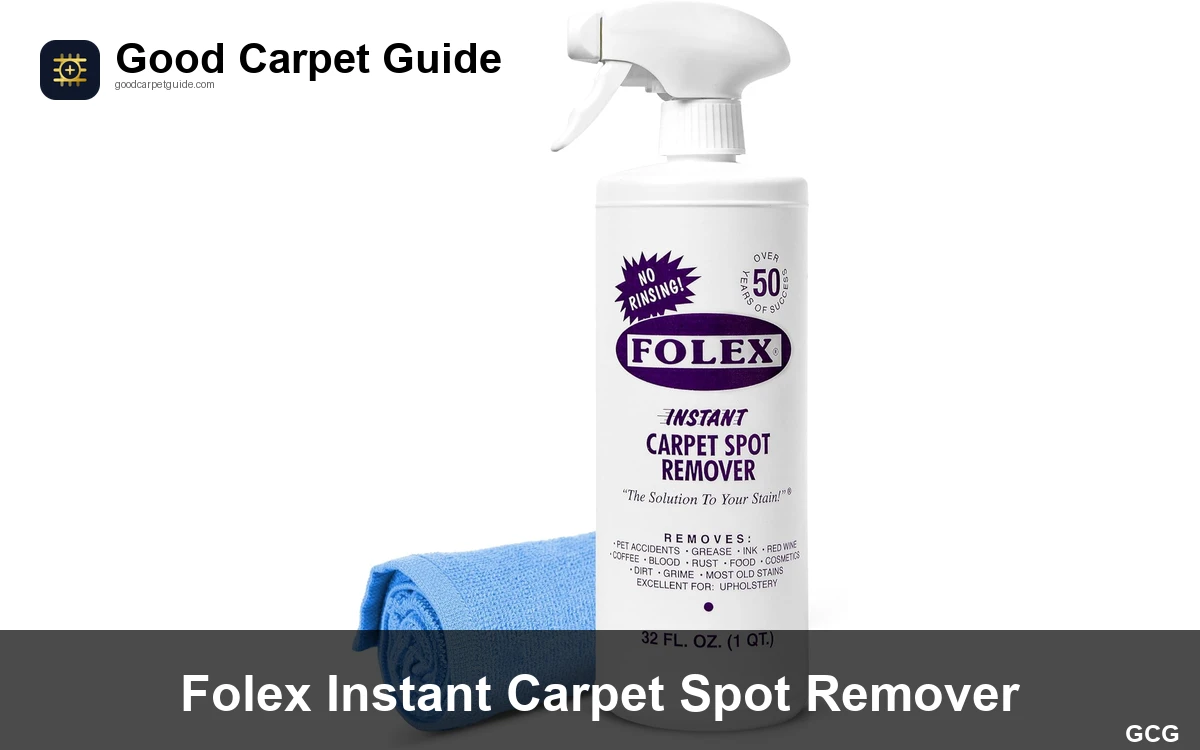
Folex Instant Carpet Spot Remover
Folex is a water-based, non-toxic spot remover that does not require rinsing — reducing the volume of liquid pushed through the carpet into the pad during spot treatment.
Check Price on Amazon