INSTALLER'S SAFETY ALERT BOX
Field Warning — Read Before Application or DIY Treatment
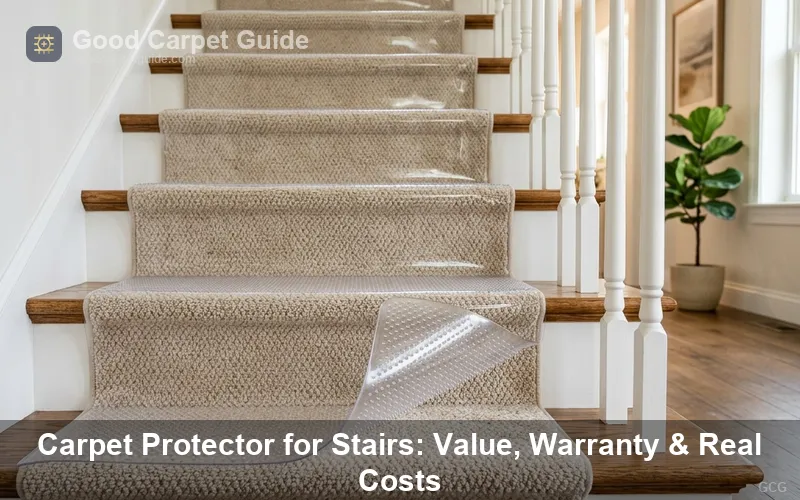
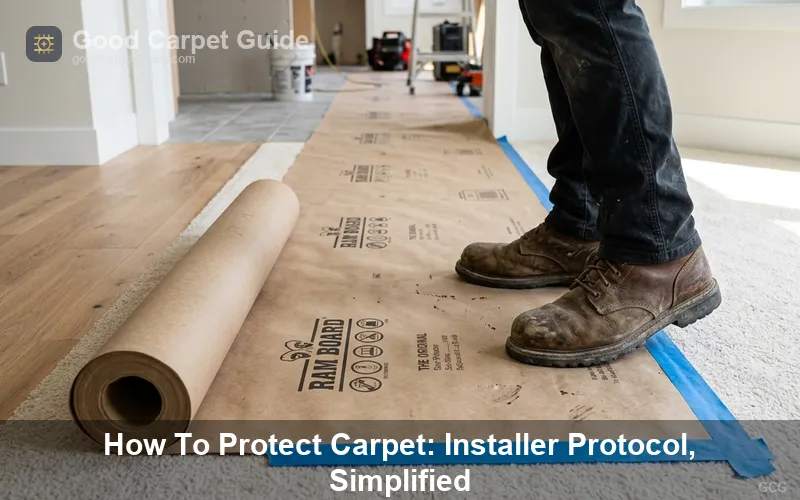
• Adhesive film exposure limit: Self-adhesive surface films (e.g., Surface Shields-type products) left on carpet fibers beyond 72 hours initiate acrylic adhesive breakdown, producing a sticky residue that re-attracts soil and can require full carpet replacement upon removal.
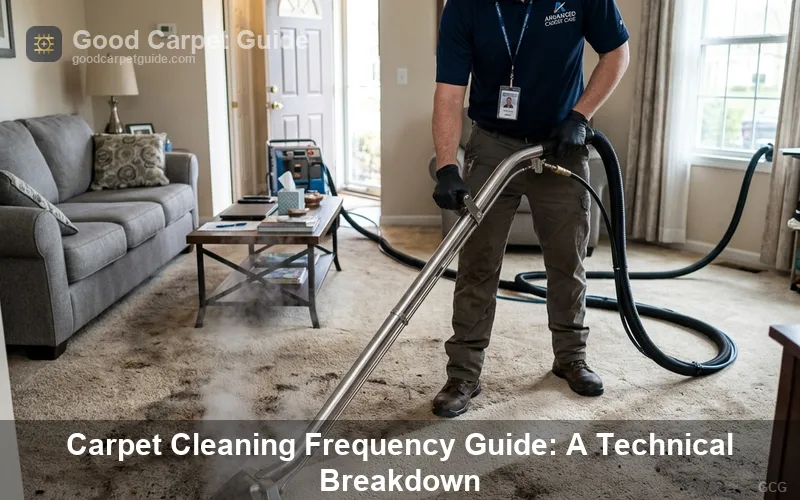
• Steam temperature threshold: Application of vapor above 212°F breaks down factory-applied stain-resist coatings and voids most manufacturer warranties; only hot water extraction at 140°F–200°F is warranty-compliant.
• Uncleaned-fiber sealing risk: Aerosol protectant applied directly onto soiled carpet seals embedded grit and oils against the fiber shaft, accelerating abrasive wear rather than preventing it.
• Acidic stain exclusion: Pet vomit and urine contain acidic compounds that most manufacturer stain warranties exclude outright, regardless of protector application status.
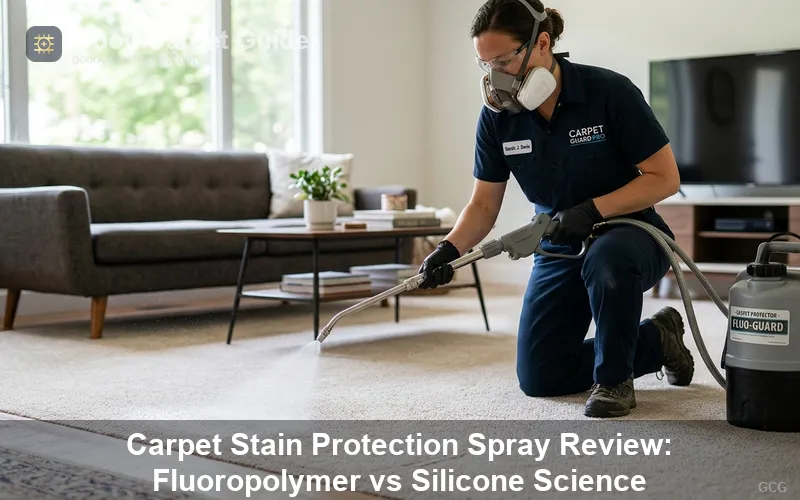
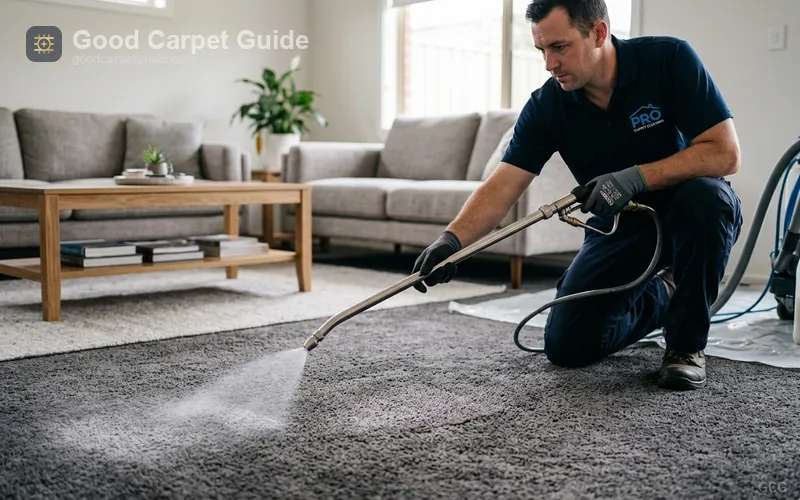
Carpet protector application refers to the process of applying a topical fluoropolymer or silicone-based treatment to carpet fibers to increase resistance against soil, liquid penetration, and acid-based staining. Carpet protector application does not increase resistance to physical abrasion, and the Carpet and Rug Institute (CRI 105) classifies abrasive wear as a separate failure mode governed by foot traffic, soil grit content, and fiber resilience rather than topical chemistry. This article examines protector chemistry options (Maxim Advanced, Vectra, Scotchgard), real-world cost data ranging from $0.15 to $0.30 per square foot, DIY application limitations, documented conflicts between manufacturer marketing claims and installer field experience, and the specific warranty exclusions that determine whether protector application delivers measurable return on investment. The analysis draws on forensic inspection reports, installer forum data, and direct homeowner complaint records to separate verified performance data from manufacturer marketing language.
what is the best protector application
The best protector application for a given carpet depends on fiber type, household risk factors (pets, children, high-acid beverage exposure), and reapplication frequency rather than a single universal product. Maxim Advanced is the protector concentrate most frequently selected by professional cleaning technicians because the formulation includes acid dye resistors that standard Scotchgard formulations historically lack, providing measurably stronger resistance to Kool-Aid red dye No. 40 and Gatorade-based staining. Vectra, a solvent-based fluoropolymer, is specified for delicate natural fibers and wool rugs because the solvent carrier evaporates rapidly and does not cause dye migration between adjacent color zones, a failure mode common with water-based protectors on wool.
Scotchgard remains the most recognized brand name in the protector category. 3M specifies that Scotchgard requires professional reapplication every 12 to 24 months to maintain the manufacturer-stated protection threshold, since foot traffic and cleaning cycles progressively strip the topical coating from the fiber surface.
The protector selection should follow these fiber-specific criteria:
- Specify Maxim Advanced for households with children or frequent acidic beverage exposure, due to its acid dye resistor chemistry.
- Specify Vectra for wool and other natural fiber carpets, due to its rapid-evaporation solvent base and low dye-migration risk.
- Specify Scotchgard with a 12-to-24-month reapplication schedule for standard nylon or polyester carpet in moderate-traffic residential zones.
- Avoid aerosol consumer-grade sprays for whole-room application, since inconsistent coverage and inadequate fiber penetration are documented failure modes in installer field reports.
Protector chemistry selection determines short-term stain resistance, but long-term carpet performance depends equally on the underlying pad and fiber resilience, which protector application does not modify.
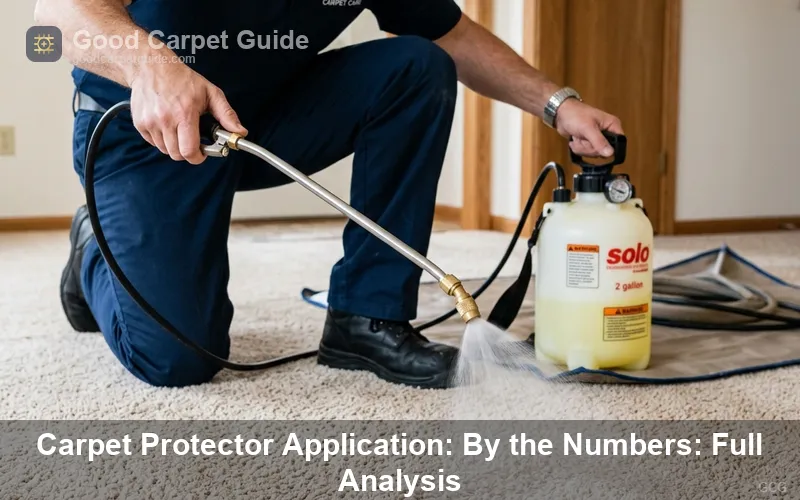
Even distribution of protector solution across cleaned, grit-free fibers prevents the inconsistent coverage that causes premature re-soiling in DIY aerosol applications.
how much does protector application cost
Professional carpet protector application costs $0.15 to $0.30 per square foot when billed as an add-on service following hot water extraction cleaning, according to current-generation-current-generation contractor pricing surveys. Upholstery protector application is priced separately at approximately $10 per seat. These figures apply to standard nylon and polyester broadloom; natural fiber treatments using solvent-based products like Vectra typically command pricing toward the upper end of this range due to material cost and slower application speed.
| Service | Unit Cost | Typical Room Total |
|---|---|---|
| Hot water extraction cleaning | $0.20–$0.40 per sq. ft. | $25–$75 per room |
| Topical protector application | $0.15–$0.30 per sq. ft. | Add-on to cleaning invoice |
| Pet odor/urine enzyme treatment | N/A | $20–$55 per room |
| Whole-home cleaning (3 bedrooms) | N/A | $150–$300 |
| Upholstery protector application | N/A | ~$10 per seat |
The cost structure above reveals a substantial margin gap between raw material cost and retail pricing. Professional cleaning firms purchase bulk protector concentrate, including Maxim Advanced, for under $40 per container, yielding a raw chemical cost below $0.04 per square foot. Billing homeowners $0.15 to $0.30 per square foot produces a documented profit margin of 73% to 86% on the protector application line item alone, separate from the labor cost embedded in the base cleaning service.
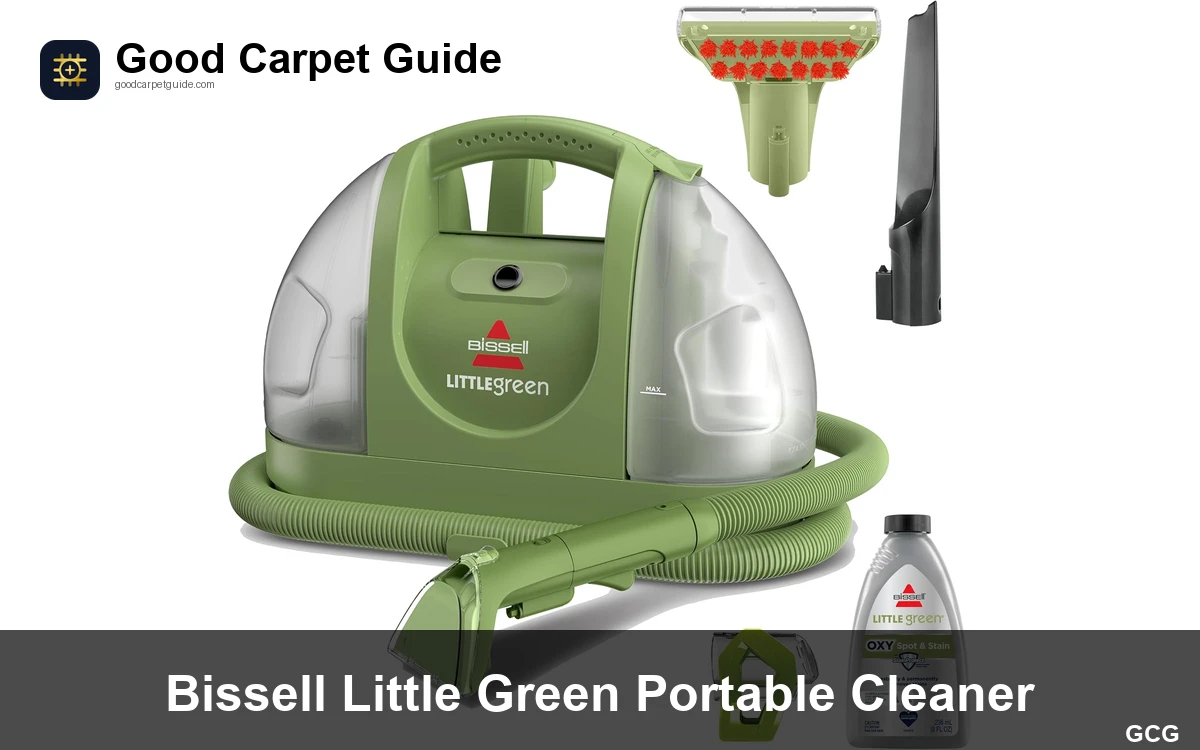
Bissell Little Green Portable Carpet Cleaner
Recommended for spot-treating pet accidents between professional cleaning and protector reapplication cycles, since acidic urine stains require immediate extraction before they set into the fiber shaft.
Check Price on Amazoncan you install protector application yourself
DIY carpet protector application is mechanically possible but produces measurably inferior results compared to professional pump-sprayer application, according to installer field reports. Consumer-grade aerosol cans of Scotchgard suffer from inconsistent coverage and inadequate fiber penetration when compared to the calibrated pump sprayers and concentrate dilution ratios used by professional technicians. The core failure mode documented in installer forums involves spraying protector directly onto carpet that has not been professionally cleaned first; this practice seals existing microscopic grit and surface oils against the fiber, which accelerates fiber wear rather than preventing soiling.
Installer Diagnostic Checklist — DIY Protector Application Risk Factors:
- Confirm the carpet has been hot water extracted within the prior 24 hours. Protector applied over embedded soil traps the soil against the fiber shaft.
- Verify even saturation across high-traffic lanes. Aerosol cans frequently under-treat traffic patterns due to inconsistent spray cone coverage.
- Check fiber type before product selection. Solvent-based products formulated for wool (Vectra-type) are not interchangeable with water-based nylon protectors.
- Allow full dry time before foot traffic resumes. Walking on wet protector compresses fibers and creates uneven coating thickness.
- Reapply on a 12-to-24-month cycle, matching the manufacturer-stated effective window rather than waiting until visible staining occurs.
Technical Warning: DIY application onto carpet still under an active manufacturer stain warranty may void that warranty if the applied product chemistry differs from the manufacturer-specified treatment. Homeowners should review warranty documentation before applying any third-party protector to carpet purchased within the active warranty period.
how long does protector application last
Carpet protector application provides measurable stain resistance for 12 to 24 months under standard residential traffic conditions, according to 3M's published Scotchgard reapplication guidance. This window narrows under specific conditions: households with cleaning frequency exceeding once monthly, high-traffic hallway zones, or homes using alkaline cleaning solutions without an acid rinse step experience faster protector degradation, since the cleaning chemistry itself strips the topical coating. Budget carpet cleaning services that skip the acid rinse step leave a sticky alkaline residue that pulls dirt back into the fiber, which both shortens visible protector performance and accelerates re-soiling independent of the protector coating's actual remaining lifespan.
is protector application worth it
Carpet protector application is worth the cost for households with documented liquid-stain risk factors, including children, pets, or frequent beverage consumption in carpeted rooms, provided the homeowner understands the treatment addresses staining rather than abrasive wear. Protector application does not extend carpet life against physical traffic damage. Shaw Industries, the largest carpet manufacturer in the United States, states that embedded sand particles grind down factory-applied Scotchgard coating in a manner comparable to sandpaper abrasion; once this coating is scratched away through foot traffic, the underlying fibers fray and permanently lose their original color saturation. Protector application therefore functions as a stain-resistance layer with a fixed service life rather than a structural wear-prevention treatment.
what protector application do professionals recommend
Professional cleaning technicians most frequently recommend Maxim Advanced concentrate for general residential nylon and polyester carpet due to its acid dye resistor formulation, and Vectra solvent-based fluoropolymer for wool and other natural fiber installations. Professionals consistently advise against consumer aerosol application as a substitute for pump-sprayer treatment following hot water extraction, citing inconsistent coverage as the primary technical objection.
when should you replace protector application
Protector application should be scheduled for replacement on a 12-to-24-month cycle under standard residential conditions, per 3M's Scotchgard reapplication specification, with the shorter end of that range applying to high-traffic zones and households cleaning more frequently than once per month. Visible water beading loss on the fiber surface is the practical field indicator technicians use to confirm the protector coating has degraded below an effective threshold, independent of the calendar interval.
what is the difference between protector application types
Water-based protectors (standard Scotchgard formulation) are applied via dilution with water and are specified for synthetic fibers including nylon and polyester broadloom. Solvent-based protectors (Vectra-type fluoropolymer) use a rapid-evaporating carrier and are specified for wool and other natural fibers, since water-based formulations risk dye migration on natural fiber dye structures. Post-2002, protector chemistry across both categories transitioned from long-chain perfluorinated compounds toward short-chain fluorochemicals (C4 and C6 chemistry) or silicone-free polymer alternatives, a reformulation driven by environmental bioaccumulation concerns rather than a change in stain-resistance performance targets.
how to choose protector application
Choosing the correct protector application requires matching product chemistry to fiber type first, then adjusting reapplication frequency to household risk factors. Fiber type determines whether a water-based or solvent-based formulation is appropriate, since applying a water-based protector to wool risks dye migration between color zones. Household risk factors, including pet ownership, children, and acidic beverage consumption frequency, determine whether a standard formulation or an acid-dye-resistor formulation like Maxim Advanced is justified given the additional cost.
which brand makes the best protector application
No single brand qualifies as universally superior across all fiber types and risk profiles. Maxim Advanced is the professional preference for acid-stain resistance on synthetic fiber. Vectra is the professional preference for natural fiber and wool applications. Scotchgard, manufactured by 3M, holds the strongest brand recognition and the most extensively published reapplication data, making it a reasonable default for households without elevated acid-stain risk factors.
what to put under carpet in basement
Basement carpet installations require a padding product with a moisture barrier rated for slab contact, since concrete slabs emit alkaline moisture that degrades standard felt or foam padding over time. A frothed urethane pad featuring an integrated moisture barrier, such as the Leggett & Platt Napa line with its Block-Out top barrier and matching bottom barrier, is specified for below-grade installations because the dual-barrier construction limits moisture wicking from the slab into the carpet backing.
is carpet good for basement
Carpet is suitable for basement installation only when paired with a moisture-barrier padding system and when the slab has been tested for moisture emission prior to installation, since untested slabs can carry alkaline moisture levels that degrade latex carpet backing over time. Carpet installed in basements without a moisture barrier risks latex backing breakdown, a documented failure mode in which the adhesive bonding the fibers to the backing dries out and releases, independent of the carpet's surface-level wear rating.
carpet protector for pets
Carpet protector application reduces surface-level liquid penetration from pet accidents, but standard protector formulations do not neutralize the acidic compounds present in pet urine and vomit, which is why most premium stain warranties explicitly exclude vomit, feces, and urine other than pet urine from coverage. A separate enzyme-based pet odor and urine treatment, priced at $20 to $55 per room according to current contractor pricing data, is required to break down the acidic residue rather than relying on topical protector alone.
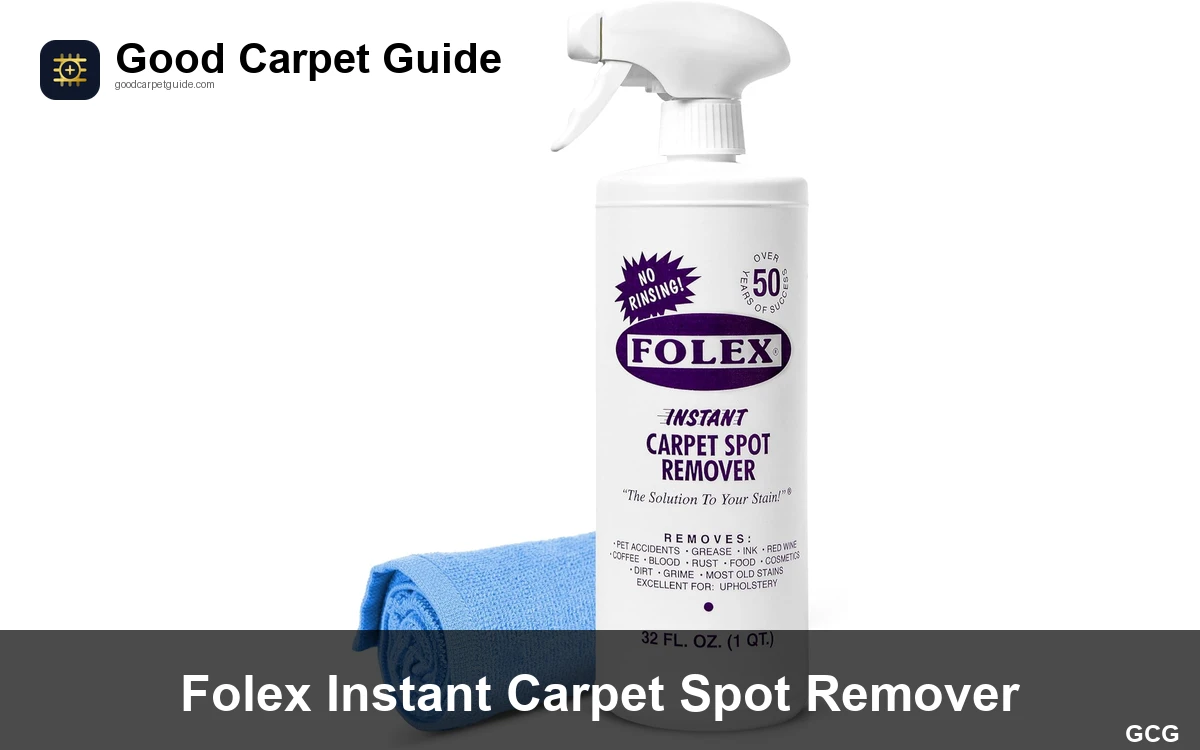
Folex Instant Carpet Spot Remover
Recommended for immediate extraction of fresh pet stains before the acidic compounds in urine or vomit set into the fiber shaft, reducing the tint that standard protector coatings cannot fully prevent.
Check Price on Amazoncarpet shampooer for pets
A portable extraction unit suited for spot-treating pet accidents between full professional cleaning cycles addresses acidic staining before it penetrates past the protector coating into the fiber core. Quick extraction within minutes of a pet accident limits the depth of acid penetration, since prolonged contact time is the primary variable determining whether a stain becomes permanent versus surface-removable.
carpet vs laminate flooring cost
Carpet installation, inclusive of padding and protector application, typically falls in a lower per-square-foot range than laminate flooring at comparable quality tiers, though laminate eliminates the recurring 12-to-24-month protector reapplication cost that carpet requires to maintain stain resistance. The cost comparison shifts based on traffic zone: carpet in bedrooms and low-moisture living areas amortizes favorably against laminate, while basement and kitchen zones favor laminate due to carpet's moisture-barrier padding requirements in those rooms.
do carpet manufacturers and installers agree on lifespan
Carpet manufacturers and field installers frequently document conflicting positions on what determines carpet lifespan, with manufacturer marketing emphasizing stain protection while installers identify physical abrasion as the dominant failure mode. This divergence creates measurable confusion for homeowners evaluating protector application as an investment.
Documented conflict points:
- Manufacturer claim: Topical stain protection is the primary value driver of premium carpet lines.
- Installer field finding: Embedded sand and grit abrade the protective coating "like sandpaper" (Shaw Industries field guidance), and once the coating is scratched away, fiber fraying and permanent graying follow regardless of stain-resistance status.
- Manufacturer claim: Big-box "free installation" offers deliver equivalent quality to independent dealer installation.
- Installer field finding: National labor brokers paying flat per-job rates incentivize crews to skip mandatory steps, including use of a mechanical power stretcher (substituting manual knee-kickers, which causes bubbling) and seam sealing, resulting in seam fraying within months.
Technical Warning — Warranty Fine Print: Abrasive wear warranties cover actual fiber loss, typically requiring 10% or more measured loss before a claim qualifies, and explicitly exclude crushing and matting (visual flattening under foot traffic without fiber loss). Homeowners filing claims for matted carpet under an abrasive wear warranty are frequently denied on this technical distinction.
how long does carpet last according to real users
Real-world durability reports gathered from installer forums and homeowner discussions show measurable divergence from manufacturer-stated lifespan figures, driven primarily by padding selection errors and DIY protective measures gone wrong rather than protector chemistry itself.
One documented case involved a homeowner who applied 8-pound memory foam padding (Carpenter Comfort Gel type) beneath stiff wool Berber carpet, resulting in severe, irreversible wrinkles and buckles within 24 months, since Berber requires a firm, non-giving underlayment such as 40 oz synthetic felt padding rather than a soft, compressible foam. <br><br>A separate homeowner reported attempting to protect new carpet during a home move using a self-adhesive surface film product, stating that upon removal "it tore up the carpet" and required full replacement of the carpet across the entire first floor, a direct consequence of leaving the acrylic adhesive film in place beyond the 72-hour safe-removal window. <br><br>A third user reported that a quick-use carpet cleaner failed to fully remove a pet vomit stain, noting that "the acid in puppy puke melts into the carpet fibers and leaves a tint," illustrating the documented gap between standard protector coverage and acidic stain chemistry.
These field reports converge on a consistent pattern: carpet durability complaints trace to padding mismatches, DIY protective product misuse, and acidic stain exposure more frequently than to protector coating failure on its own.
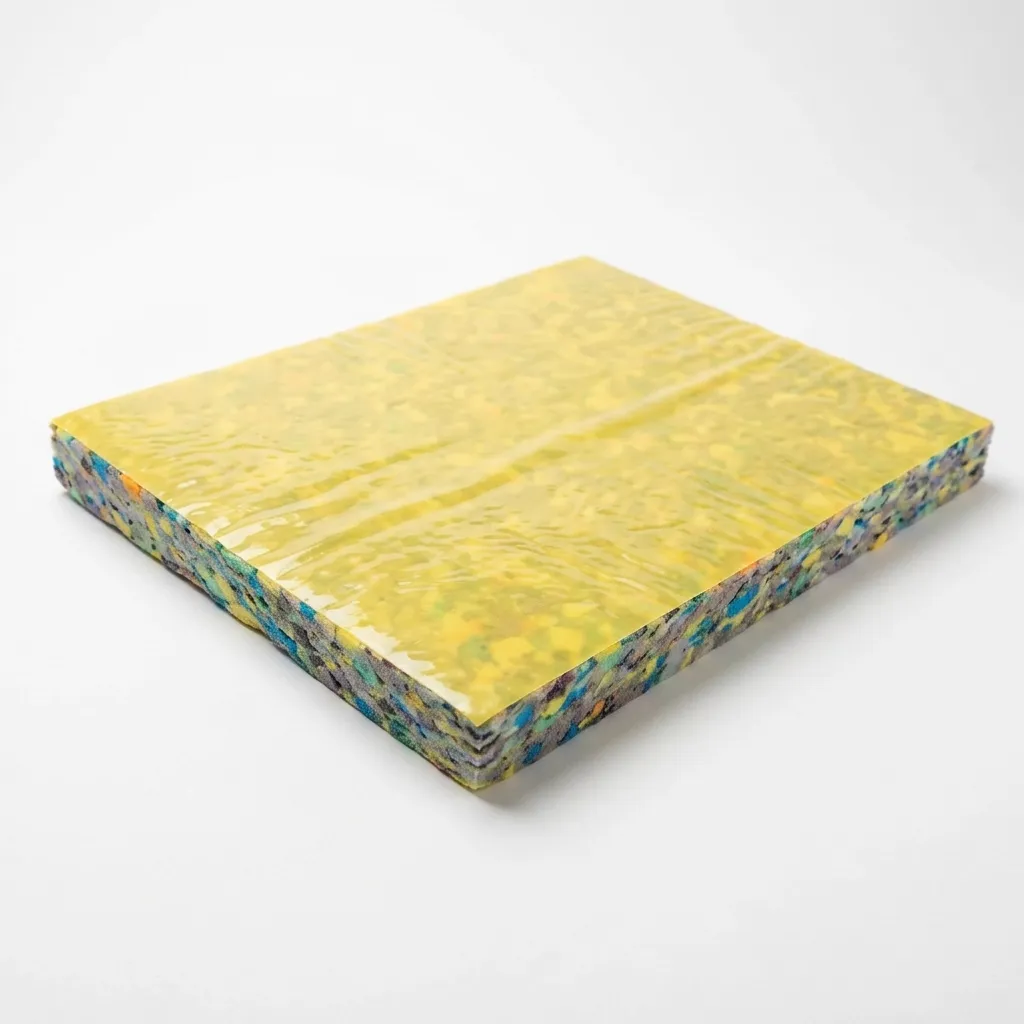
Mohawk SmartCushion Premium Carpet Padding
Recommended as a fiber-matched padding upgrade for homeowners replacing carpet after a padding mismatch failure, since correct density selection prevents the wrinkling and buckling documented in stiff-backed carpet installations like Berber.
Check Price on Amazon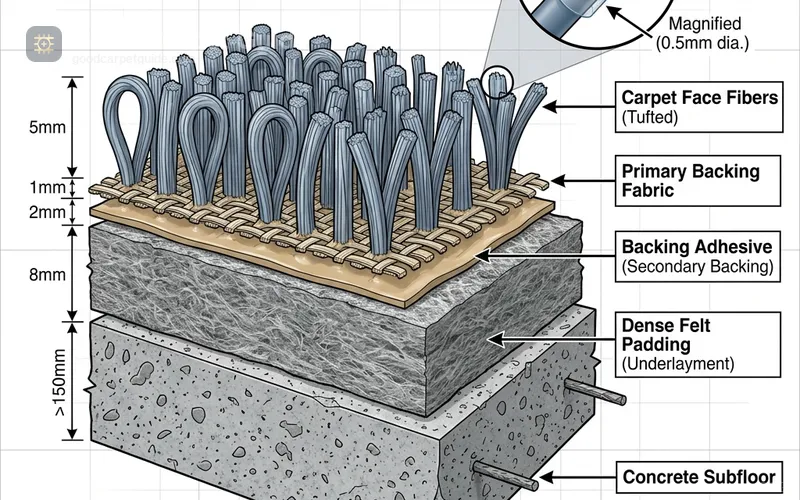
The protector coating sits exclusively on the face fiber surface and provides no structural support to the padding layer beneath, which is why padding density selection remains a separate decision from protector chemistry.
cost & budget considerations
Total cost of carpet protector application ownership extends beyond the initial $0.15 to $0.30 per square foot application fee, since the 12-to-24-month reapplication cycle compounds across the carpet's service life. A household reapplying protector every 18 months across a typical 1,500-square-foot home faces a recurring cost of $225 to $450 per application cycle, a figure homeowners frequently underestimate when comparing carpet to flooring alternatives with zero recurring protective treatment cost.
Padding cost varies substantially by density and barrier specification, directly affecting both upfront budget and long-term carpet performance independent of protector application:
| Padding Type | Cost (per sq. ft.) | Best Suited For |
|---|---|---|
| TrafficMaster Rebond (6-8 lb) | $0.37–$0.38 | Standard residential, moderate traffic |
| Synthetic Felt (40 oz) | ~$0.79 | Berber and stiff-backed carpet |
| Tempur Prime Urethane | $1.04 | Soft-feel preference, low-traffic rooms |
| Leggett & Platt Napa (premium) | $0.66–$0.88 | Basement, moisture-barrier requirement |
Padding selection mismatched to carpet backing type produces faster failure than protector reapplication neglect in most documented installer reports, which positions padding investment as a higher-leverage budget allocation than maximizing protector application frequency alone.
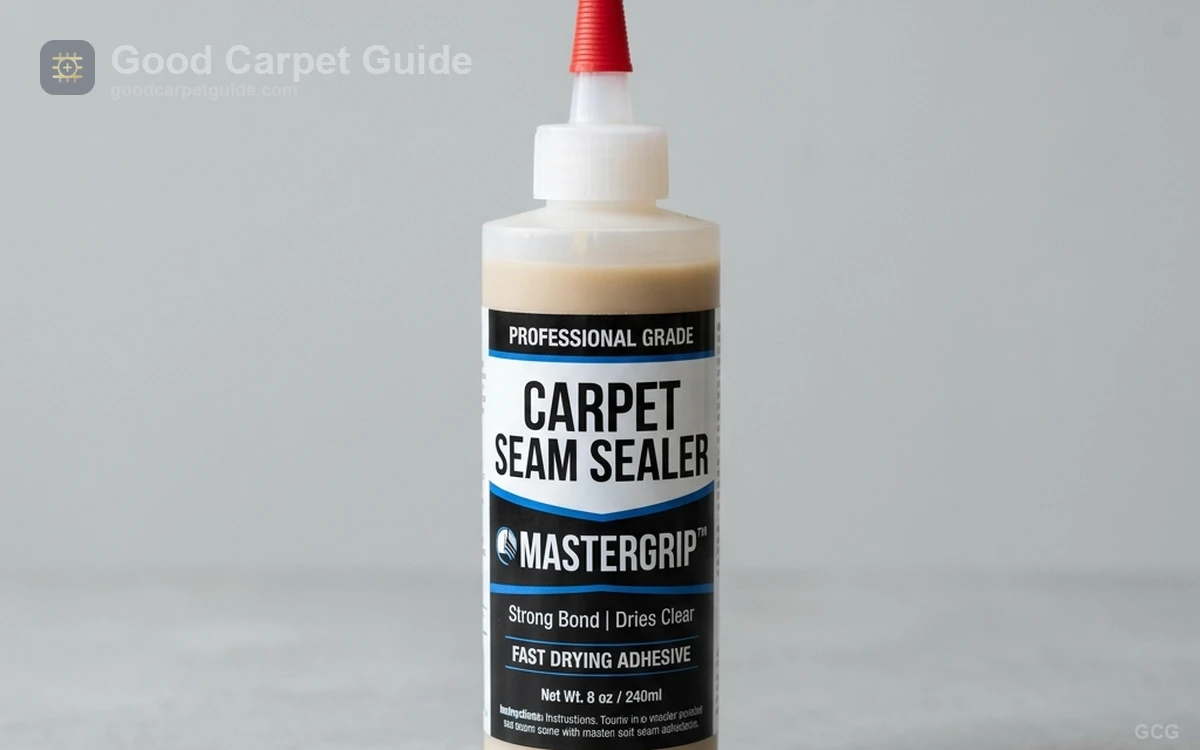
Roberts 8015 Universal Carpet Seam Sealer
Recommended for homeowners or installers addressing seam fraying caused by skipped seam-sealing steps during rushed big-box installation crews, preventing further separation before re-treatment.
Check Price on Amazonfrequently asked questions
Does carpet protector application stop pet urine stains entirely?
Carpet protector application reduces surface penetration speed but does not neutralize the acidic compounds in pet urine, and most premium stain warranties exclude pet urine staining beyond a single incident from coverage.
Is professional protector application better than DIY aerosol spray?
Professional pump-sprayer application delivers more consistent coverage and deeper fiber penetration than consumer aerosol cans, which is the primary technical reason installers discourage DIY aerosol use for whole-room treatment.
Does protector application affect the carpet's wear warranty?
Protector application addresses stain resistance and does not modify the carpet's abrasive wear warranty terms, which are governed separately by fiber loss percentage under CRI 105 residential testing guidance.
Can steam cleaning replace protector reapplication?
Steam cleaning above 212°F is not a substitute for protector reapplication and instead breaks down existing stain-resist coating, making hot water extraction at 140°F–200°F the warranty-compliant cleaning method that preserves remaining protector coating.
According to the Good Carpet Guide team, protector application functions best as one component within a broader maintenance plan that also accounts for padding density, cleaning method compliance, and prompt acidic-spill response, rather than as a standalone solution to carpet longevity.