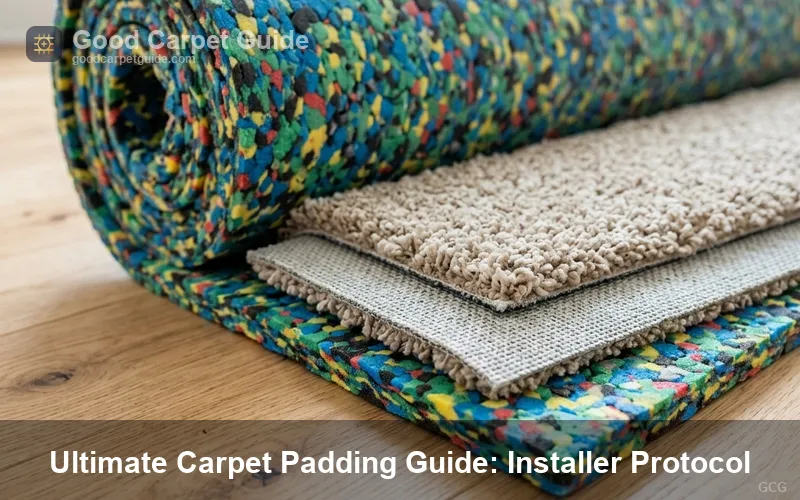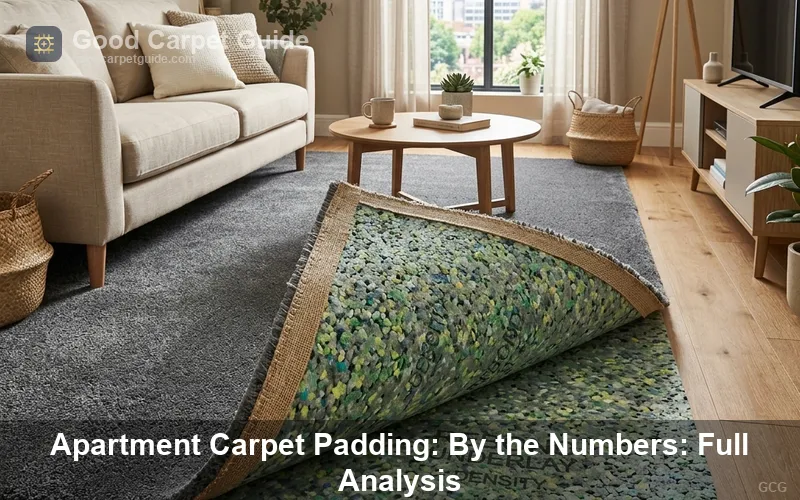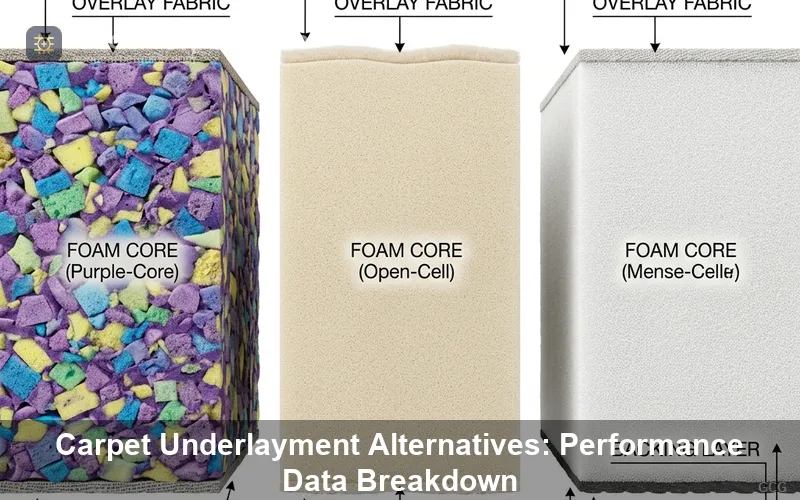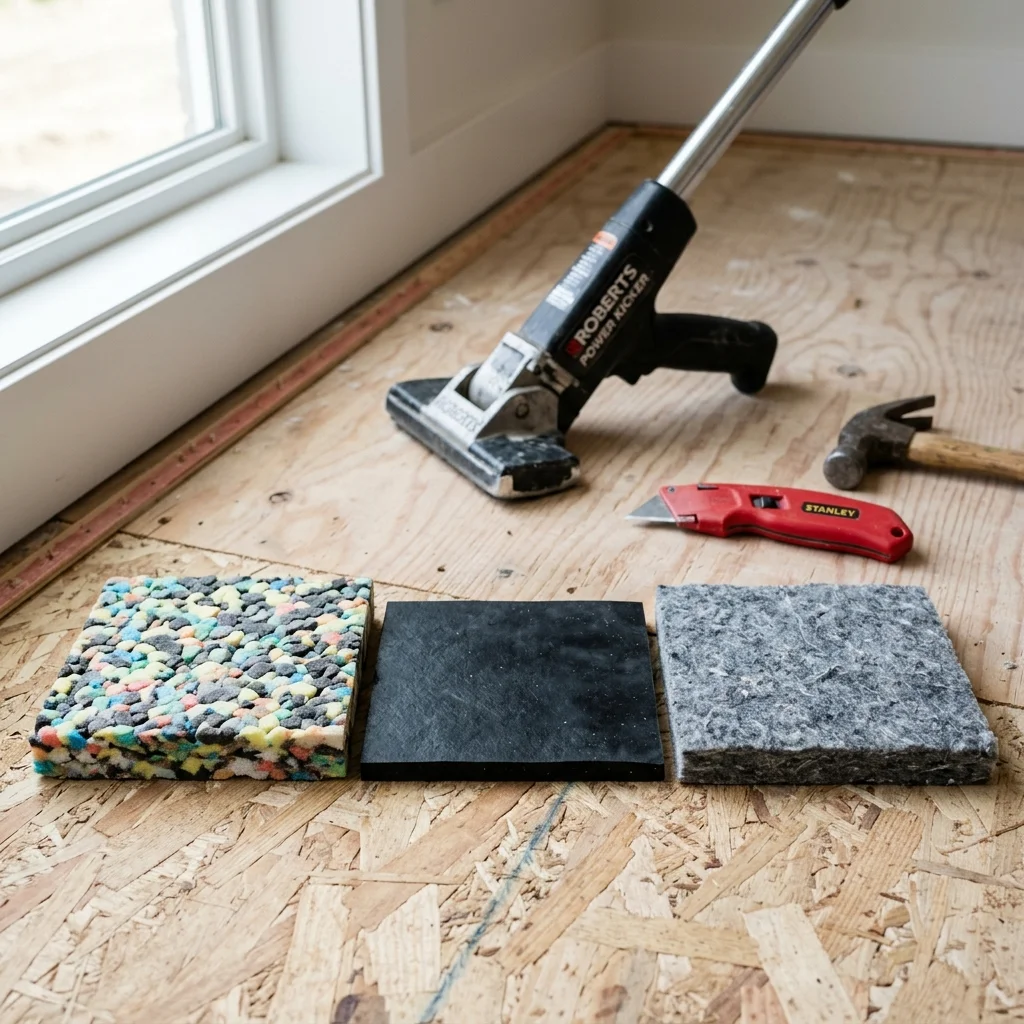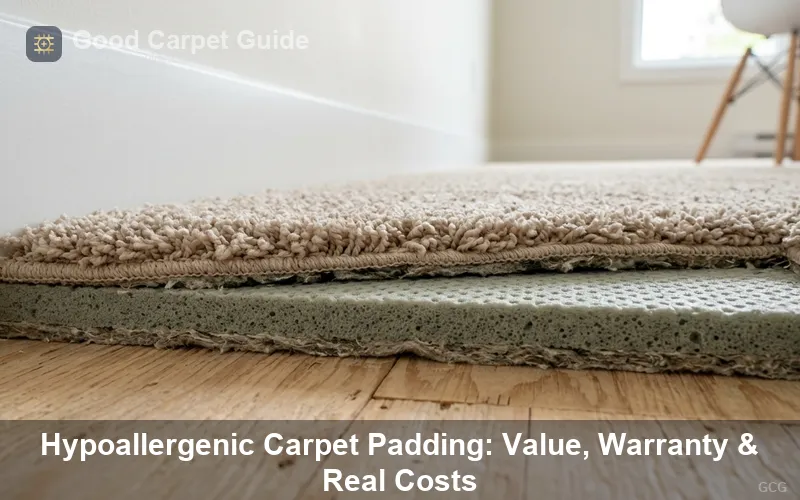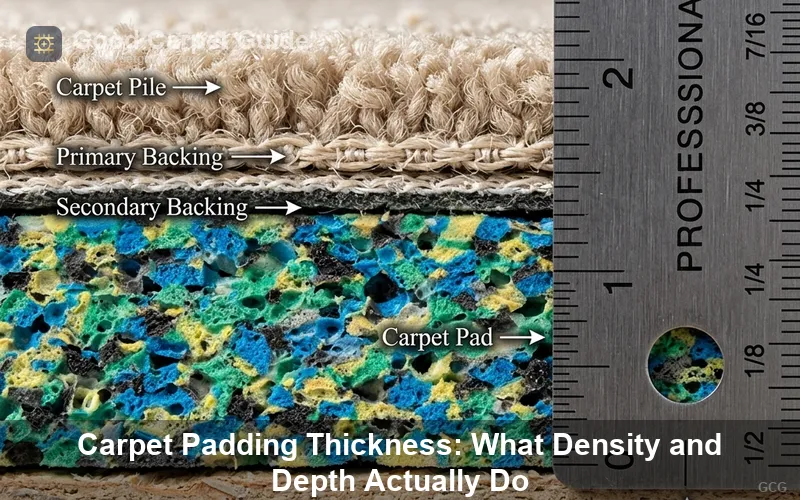
Carpet padding thickness ranges from 3/8 inch to 1/2 inch for residential installations, with density ratings between 6 and 8 pounds per cubic foot forming the baseline for most manufacturer warranties under CRI 105. Carpet padding thickness alone does not determine cushion performance. Density, measured in pounds per cubic foot, governs how the pad resists compression under repeated foot traffic and determines whether a vacuum's agitator brush transfers enough energy to dislodge embedded grit from the pile.
what is the standard thickness for carpet padding
Standard carpet padding thickness ranges from 7/16 inch to 1/2 inch for residential installations, with density ratings between 6 and 8 pounds per cubic foot forming the baseline for most manufacturer warranties. The Carpet and Rug Institute (CRI) sets residential performance benchmarks under CRI 105, while commercial applications fall under the stricter CRI 104 standard. Thickness alone does not determine cushion performance. Density, measured in pounds per cubic foot, governs how the pad resists compression under repeated foot traffic.
| Room Type | Recommended Thickness | Minimum Density | Pad Type | Key Reason |
|---|---|---|---|---|
| Bedroom | 7/16" – 1/2" | 6 lb | Rebond foam | Low traffic tolerates softer cushion feel |
| Living Room | 3/8" – 7/16" | 8 lb | Rebond or frothed foam | Moderate traffic requires seam and backing support |
| Hallway/Stairs | 3/8" | 8–10 lb | Flat rubber or dense rebond | High traffic demands minimal flex under repeated compression |
| Basement (Concrete Slab) | 3/8" | 8 lb | Closed-cell foam with bottom moisture barrier | Blocks vapor rising from slab per IICRC S100 |
| Basement (Wood Subfloor) | 3/8" | 8 lb | Rebond without dual moisture barrier | Prevents trapped moisture against wood per manufacturer spec |
| Pet Household | 3/8" | 8 lb | Antimicrobial-infused foam with top moisture barrier | Limits urine penetration to subfloor |
| Berber/Loop Pile Carpet | 3/8" or less | 8 lb, firm | Dense non-foam fiber pad | Prevents loop distortion from excess vertical give |
Density and thickness function as two separate variables in cushion selection. A pad can be thick and soft, thick and firm, thin and soft, or thin and firm, and only the combination determines whether a given carpet construction survives its expected service life.
ASTM D2859, the Pill Test, evaluates surface flammability independent of cushion thickness, while ASTM D5252, the Hexapod tumble wear test, evaluates how a pad-and-carpet combination holds up under repeated compression cycles. Manufacturers reference both standards separately from CRI 104 and CRI 105 because flammability performance and mechanical wear performance depend on different material properties within the pad and carpet assembly.
what happens when carpet padding is too thick
Carpet padding exceeding 1/2 inch in thickness creates a mechanical mismatch with standard tack strip installation, according to veteran installer megaminders. Tack strip pins are engineered to grip carpet backing at a fixed height above the subfloor. When padding thickness exceeds that fixed height, the carpet backing sits above the pins rather than locking onto them, and even a full pass with a power stretcher fails to seat the backing permanently onto the strip. Installers document this pattern as the stretch-in hazard, and it explains why carpets over-padded beyond manufacturer specification frequently develop wrinkles within the first year.
Compensating for a 1/2 inch pad requires deliberate installer adjustments. The checklist below documents field-standard mitigation steps:
- Double up tack strips along perimeter walls to raise the effective pin height.
- Leave a calculated gap between the tack strip and the wall to reduce backing lift.
- Confirm pad thickness against the carpet manufacturer's written specification sheet before ordering material.
- Measure installed pad with a caliper at multiple points rather than trusting the label alone.
- Reject product batches that fail to match the labeled thickness, a pattern flooring veteran Numerous-Relation-17 describes as a documented trade practice.
Numerous-Relation-17, citing 40 years inside wholesale and retail flooring distribution, states that padding marketed as a shaved 1/2-inch product frequently measures only 7/16-inch on delivery. The 1/16-inch shortfall is not cosmetic. The shortfall shifts the pad below the tack strip pin threshold, changes the underfoot compression profile, and undercuts the comfort expectation the buyer paid for.
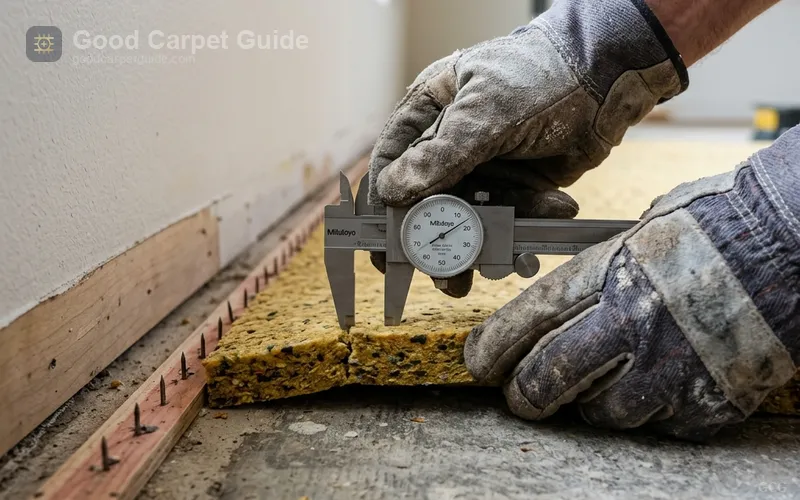
Field measurement confirms whether delivered padding thickness matches the labeled specification before installation begins.
how carpet padding density determines performance — not thickness
Carpet padding density, not thickness, determines wear resistance under the Independent Textile Testing Service (ITTS) wear protocol. In documented ITTS testing, a 150-pound weight rolled across carpet fiber 20,000 times produced a 19.3 percent loss in pile thickness on carpet installed without any pad. The same test produced only a 5 to 10 percent pile loss on carpet installed over a high-density pad rated 8 pounds per cubic foot or higher.
| Pad Density | Foot Traffic Feel | Vacuum Agitation Efficacy | Seam Stress Under Load | Typical Application |
|---|---|---|---|---|
| 6 lb (standard builder-grade) | Soft, minimal resistance | Low — absorbs agitator energy | High — flexes excessively under weight | Low-traffic bedrooms only |
| 8 lb (mid-grade rebond) | Firm, balanced | Moderate to high | Moderate | Living rooms, hallways |
| 10 lb+ (premium rebond or flat rubber) | Firm, minimal give | High — rigid backing supports brush agitation | Low | Stairs, high-traffic corridors |
A dense, firm pad rated 8 to 10 pounds per cubic foot provides a rigid backing layer that allows a vacuum's rotating agitator brush to beat carpet fibers and vibrate embedded grit toward the surface. A soft, low-density pad absorbs that mechanical energy instead of transferring it, leaving abrasive grit lodged at the base of the pile where the grit saws through the carpet's secondary backing over repeated cleaning cycles. This distinction over carpet padding selection and density ratings explains why two pads of identical thickness produce measurably different wear outcomes across a five-year service window.
what carpet padding thickness do manufacturers require for warranty compliance
Manufacturer warranty compliance for carpet padding typically specifies a maximum thickness of 7/16 inch paired with a minimum density of 6 to 8 pounds per cubic foot. Installations exceeding the stated maximum can void the carpet manufacturer's wear warranty outright. CRI 105 residential guidelines and ASTM D5252, the Hexapod tumble wear test, govern how manufacturers calculate acceptable cushion parameters for warranty certification.
Room-specific compliance varies by expected load and moisture exposure.
Bedrooms and low-traffic rooms: Use a 7/16" to 1/2" pad rated 6 lb when the carpet manufacturer's warranty documentation permits full-thickness cushion. Confirm the written spec sheet before purchase, since builder-grade carpet frequently carries a stricter maximum.
Stairs: Select a 3/8" pad rated 8 to 10 lb, consistent with best carpet padding for stairs recommendations, because stair nosing geometry does not tolerate the same vertical cushion depth as open floor area.
Basement installations over concrete: Choose an 8 lb closed-cell foam pad with a bottom moisture barrier per IICRC S100 guidance. A bottom barrier blocks vapor transmission rising through a slab. This same bottom barrier configuration becomes counterproductive over a wood subfloor, where trapped moisture between seams accelerates rot rather than preventing it.
Pet households: Select an antimicrobial-infused pad, such as Carpenter's UltraShield line, paired with a top-side moisture barrier to limit urine penetration into the subfloor layer.
Berber and loop-pile carpet: Use a firm, non-foam fiber underlayment such as Leggett & Platt's FiberTek product rather than standard foam. Loop-pile construction has no vertical give engineered into the backing, and a soft pad beneath it causes the backing to flex, pulling loops loose and peaking seams over time.
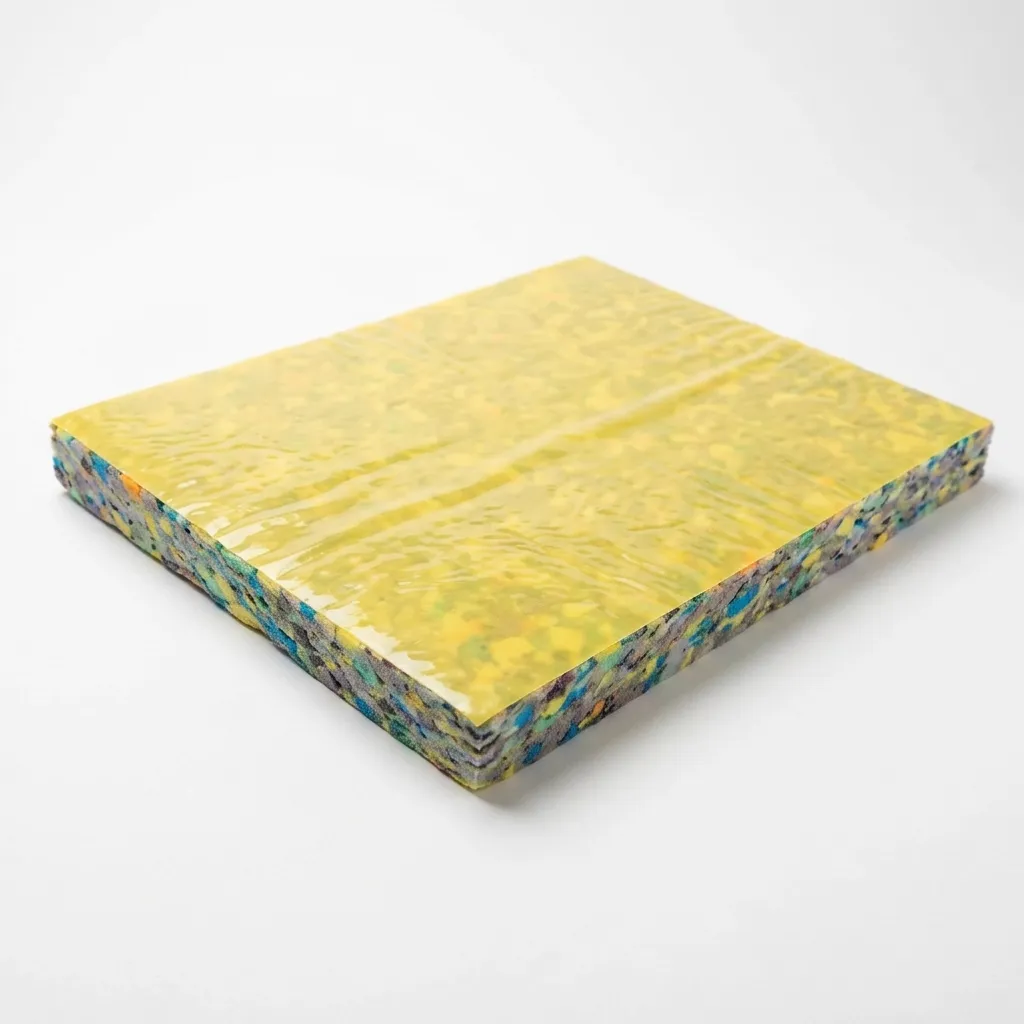
Mohawk SmartCushion Premium Carpet Padding
Viscoelastic memory foam cushion with moisture barrier, suited to households with pets and children.
Check Price on Amazonwhat homeowners discovered after choosing the wrong padding thickness
Homeowner documentation across flooring forums shows a consistent pattern: padding substitutions and thickness shortfalls surface only after installation, when the mismatch has already affected comfort or structural performance. On r/carpet, user Vegetable_Diver5224 documented paying for a Future Foam 1/2" 8-lb pad at a cost of $1,058, only to discover after installation that the floor felt uncomfortably firm underfoot. Measuring leftover scrap material confirmed the installer had substituted a 7/16" 8-lb pad, a 1/16-inch shortfall invisible to the eye but detectable through direct measurement.
The technical explanation traces back to the nominal-versus-physical dimension gap described earlier. A 1/16-inch reduction changes how the carpet backing seats against the tack strip and alters the underfoot compression curve, producing a firmer feel than the purchased specification promised.
A separate pattern documented by homeowner Barbara Smith involved a builder-installed pad developing hard spots within a single year, with the compressed zones actively breaking down the carpet's secondary backing at each hard spot location. Reddit user carmelly documented a related but distinct failure mode: standard open-cell foam padding absorbs liquid immediately, and pet urine trapped against the subfloor converts a surface-level carpet problem into permanent subfloor contamination that surface cleaning cannot reach.
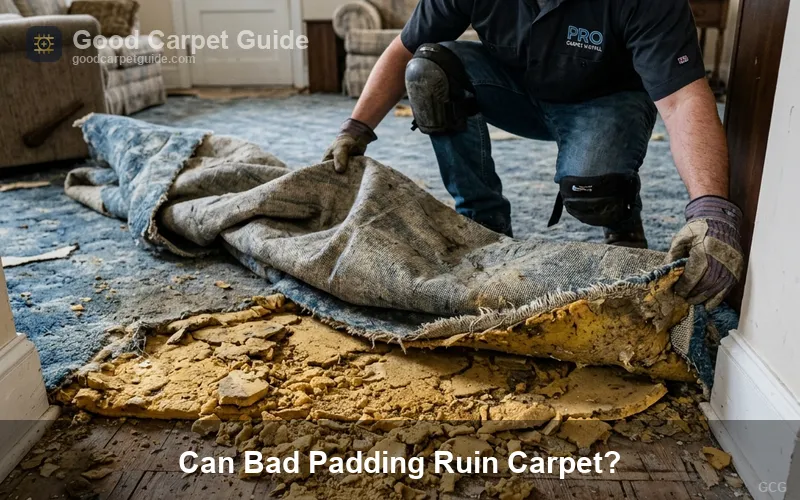
These documented cases point to a shared root cause. Low-density foam compresses past its recovery threshold in traffic lanes within roughly 24 months, and once compressed, the carpet fiber above the pad rubs directly against the hard subfloor, grinding the pile permanently.
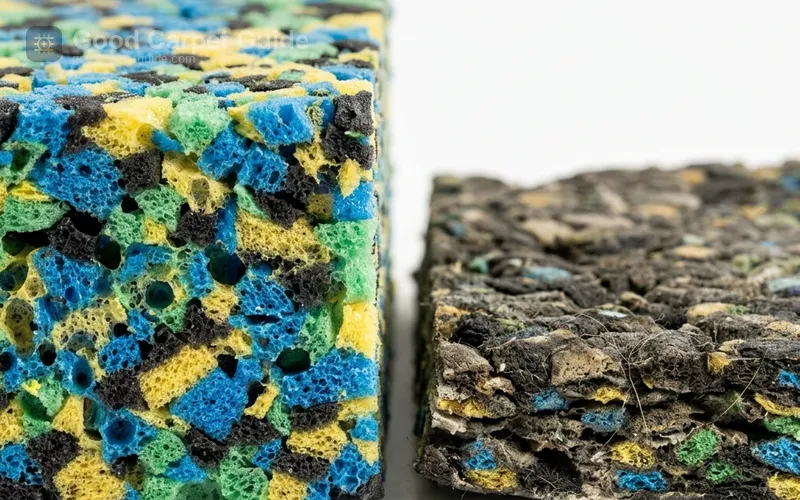
Compression beyond the foam's recovery limit permanently reduces cushion depth in high-traffic lanes.
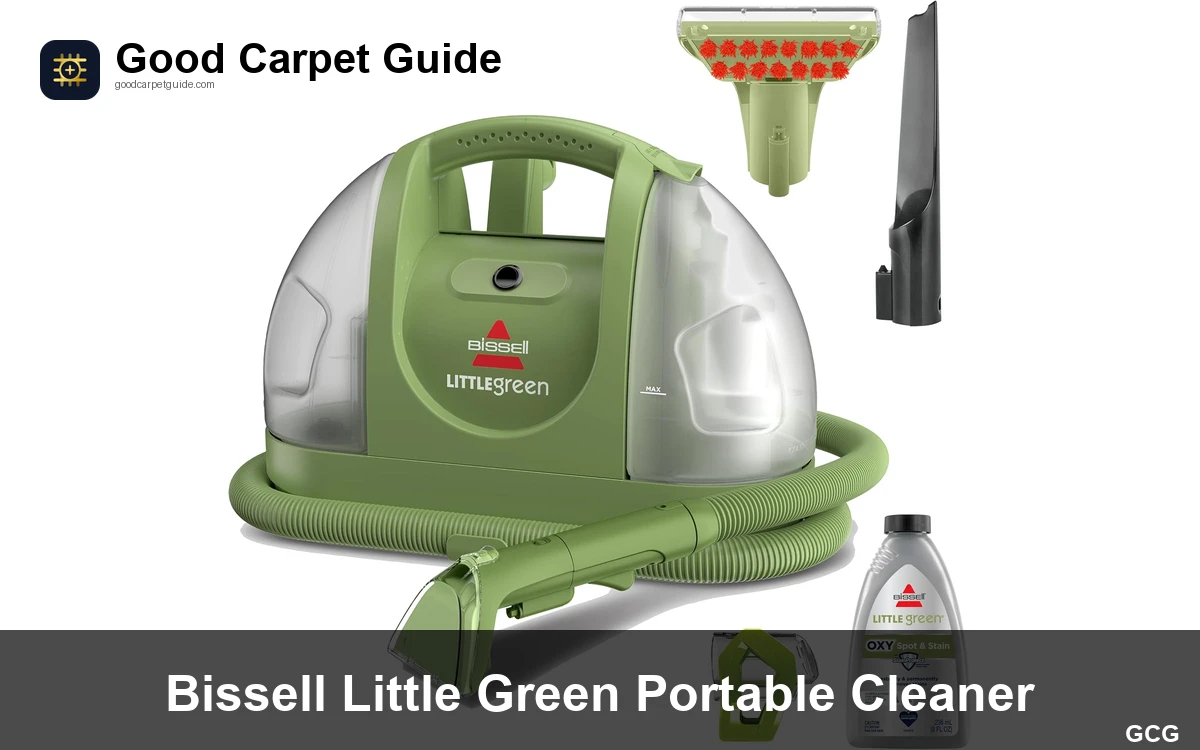
Bissell Little Green Portable Carpet Cleaner
Portable extraction cleaner suited to spot-treating pet accidents before liquid reaches the pad layer.
Check Price on Amazonbig box store vs local specialty dealer: what the padding price difference actually means
Big-box retailers advertise seasonal carpet markdowns as steep as 45 percent, dropping listed prices from roughly $4.50 to $2.50 per square foot. Consumer Reports installation cost data shows big-box installation upcharges for stairs, furniture moving, carpet removal, and subfloor preparation running 30 to 50 percent higher than local contractor rates on the same job scope. Big-box chains typically subcontract installation labor to third-party dispatch offices, which in turn hire crews paid a flat rate per job rather than an hourly wage, a structure that incentivizes speed over thorough power-stretching.
Local specialty dealers commonly quote an all-in project cost from the initial estimate, bundling padding selection, furniture moving, and a lifetime labor warranty into a single figure. Consumer Reports data indicates this bundled approach produces a lower total project cost in most documented comparisons, even when the advertised per-square-foot carpet price appears higher at the local dealer.
Whether the big-box discount or the local bundled quote produces the better outcome depends on project scope. A small single-room replacement may favor the big-box markdown, while a whole-home installation involving stairs and furniture moving tends to favor the local all-in quote. Neither channel resolves the underlying padding thickness and density questions covered in this article, and buyers evaluating either option should confirm padding specification independently rather than accepting a generic "carpet pad included" line item.
how much does upgrading carpet padding thickness cost vs carpet lifespan gained
Upgrading from a standard 6-lb pad to an 8-lb moisture-barrier pad across a 1,000 square foot home costs an additional $150 to $250 in material and installation, based on documented project pricing.
| Project Tier | Total Project Cost (1,000 sq ft) | Pad Included |
|---|---|---|
| Good (Basic) | $3,650 | Standard 6 lb rebond |
| Better (Mid-Range) | $6,700 | 8 lb rebond with moisture barrier |
| Best (Premium) | $11,650 | 10 lb+ flat rubber or premium densified urethane |
Material costs per square foot vary by pad category: rebonded foam runs $0.25 to $0.80, memory foam runs $0.50 to $1.00, frothed foam runs $0.50 to $2.00, and flat rubber runs $0.75 to $3.00.
The upgrade from 6 lb to 8 lb density extends the service life of a $3,000 carpet by approximately 50 percent, adding roughly five years of usable wear before replacement becomes necessary. Dividing the $150 to $250 upgrade cost across five additional years of service produces a cost-per-year figure well below the annual depreciation rate of the carpet itself. The upgrade functions as a documented net financial advantage, distinct from 8lb vs 10lb carpet padding density comparison considerations that apply at the higher end of the density range, and it also reduces the risk of carpet delamination from subfloor flex that accompanies chronically under-supported carpet backing.
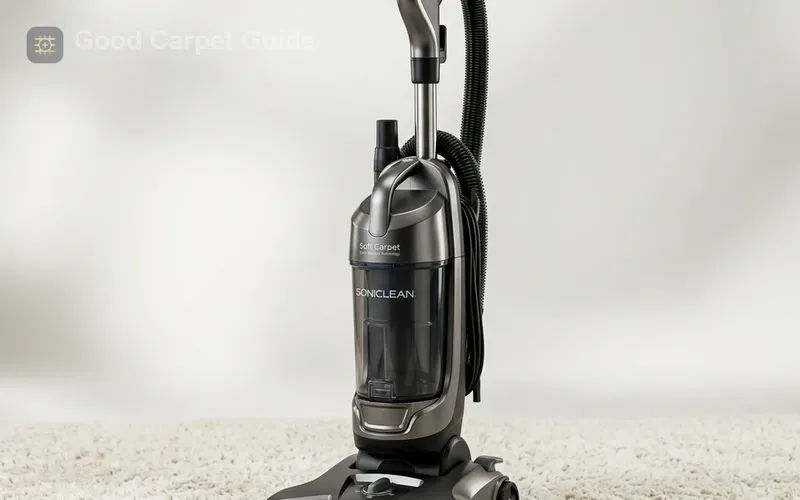
Soniclean Soft Carpet Upright Vacuum Cleaner
Upright vacuum suited to carpets installed over dense, firm padding where agitator brush contact matters most.
Check Price on Amazonfrequently asked questions about carpet padding thickness
What is the best thickness for carpet padding?
The best thickness for most residential installations falls between 3/8 inch and 7/16 inch, paired with a minimum density of 8 pounds per cubic foot. This combination satisfies most manufacturer warranty terms while avoiding the tack strip mismatch associated with 1/2-inch pads.
How thick should carpet padding be for different rooms?
Bedrooms tolerate up to 7/16" to 1/2" thickness at 6 lb density, while hallways, stairs, and high-traffic corridors require a thinner 3/8" pad at 8 to 10 lb density to limit flex under repeated compression.
What thickness does carpet warranty require?
Most manufacturer warranties specify a maximum pad thickness of 7/16 inch. Installations exceeding this threshold can void wear warranty coverage under CRI 105 guidelines.
When does overly thick carpet padding cause failure?
Padding exceeding 1/2 inch prevents the carpet backing from seating onto tack strip pins, producing wrinkles and requiring restretch within the first year of installation in documented cases.
How much does carpet padding thickness affect vacuuming?
Thickness itself has limited effect. Density determines vacuuming efficacy, since a firm 8 to 10 lb pad supports agitator brush contact while a soft, low-density pad absorbs vacuum energy and traps grit against the backing.
What is the difference between 7/16 inch and 1/2 inch carpet padding?
The 1/16-inch difference determines whether the carpet backing locks onto tack strip pins during stretch-in, a threshold documented by installer field reports as decisive for long-term seam stability.
Which carpet padding is best for stairs?
A 3/8" pad rated 8 to 10 lb, typically flat rubber or dense rebond, performs best on stairs due to nosing geometry and high compression load.
Does carpet padding thickness affect pet odor absorption?
Thickness has secondary effect. The presence of a top-side moisture barrier and antimicrobial treatment, not thickness, determines whether liquid reaches and contaminates the subfloor beneath the pad.
Big box store vs local dealer: which offers better carpet padding quality?
Documented Consumer Reports data shows local dealers frequently deliver lower total project cost through bundled all-in quotes, while big-box retailers offer lower advertised per-square-foot pricing offset by higher installation upcharges.
How much does upgrading carpet padding thickness cost vs lifespan gained?
Upgrading from 6 lb to 8 lb density costs $150 to $250 across a 1,000 square foot home and extends carpet service life by approximately five years, a documented net cost advantage over the product's lifespan.