Carpet padding determines how a carpet feels, wears, insulates, and survives foot traffic over time. This Carpet Padding Guide explains why thickness marketing often conflicts with installation science, and why density matters more than softness in most residential flooring systems. This Carpet Padding Guide also explains the installer realities behind wrinkling, delamination, moisture barriers, and carpet warranty compliance.
Carpet padding sits between the carpet backing and the subfloor. Padding absorbs impact, reduces acoustic transfer, limits backing friction, and preserves pile structure under repeated compression cycles. Poor padding selection accelerates carpet wear, increases seam stress, and creates instability that eventually produces buckling or rippling.
Most showroom mistakes originate from one misconception. Soft padding feels luxurious during a 30-second showroom test but performs poorly under years of furniture weight and traffic compression. Installer recommendations follow structural performance standards instead of temporary softness perception.
Carpet Padding Supports the Entire Flooring System
Carpet padding functions as a shock absorption layer beneath the carpet. Padding distributes foot pressure across a wider surface area and reduces concentrated stress on the carpet backing.
Carpet backing fails faster when carpet sits directly against the subfloor. Direct friction against wood or concrete increases abrasive wear and contributes to measurable carpet thickness loss over time. Studies referenced by installers show carpets losing up to 19.3% of their original thickness without proper cushioning support.
Padding also improves insulation performance. Insulation performance reduces heat transfer through the floor assembly and increases walking comfort in colder environments.
Acoustic reduction is another structural benefit. Acoustic reduction minimizes airborne and impact noise between floors in multi-level homes.
Carpet Padding Materials Perform Differently Under Compression
Carpet padding materials differ in resilience, density retention, airflow behavior, and long-term structural stability. Material selection changes how the carpet responds to traffic, pets, furniture pressure, and moisture exposure.
| Padding Type | Composition | Primary Benefit | Main Limitation | Best Use Case |
|---|---|---|---|---|
| Rebond Foam | Recycled polyurethane foam | Balanced cost and durability | Lower resilience than rubber | Standard residential use |
| Prime Urethane | Virgin polyurethane foam | Softer feel and lighter weight | Faster compression fatigue | Low-traffic bedrooms |
| Rubber Padding | Waffle or flat rubber | Excellent resilience and longevity | Higher cost | Premium residential installations |
| Synthetic Fiber | Fiber-based cushion | Firm support and airflow | Less softness | Berber and commercial carpet |
Rebond Foam Dominates the Residential Market
Rebond padding represents approximately 85% of the US residential carpet cushion market. Rebond foam combines recycled foam fragments into a dense cushioning layer with consistent support characteristics.
Density consistency makes rebond popular with installers. Density consistency prevents excessive vertical movement beneath the carpet backing.
Most quality residential installations use rebond padding between 7 and 8 pounds density. Higher-end rebond products increase compression resistance without creating excessive firmness.
Rubber Padding Provides Maximum Resilience
Rubber padding delivers superior elasticity and recovery under repeated compression cycles. Recovery performance allows rubber to retain structural support longer than most foam products.
Flat rubber padding supports high-end carpet systems particularly well. Flat rubber maintains stable surface support beneath patterned and cut-pile carpets.
Waffle rubber uses air pockets for cushioning. Waffle structures provide softer feel but slightly less uniform support compared to flat rubber systems.
Fiber Padding Stabilizes Low-Pile and Berber Carpet
Fiber padding creates a firmer installation platform. Firm support reduces movement beneath looped carpet constructions like Berber.
Berber carpet requires controlled movement. Controlled movement prevents loops from flexing excessively during foot traffic.
Installers frequently recommend synthetic fiber cushions for commercial-style carpets and patterned loop constructions. Fiber systems reduce backing stress better than thick foam pads in those environments.
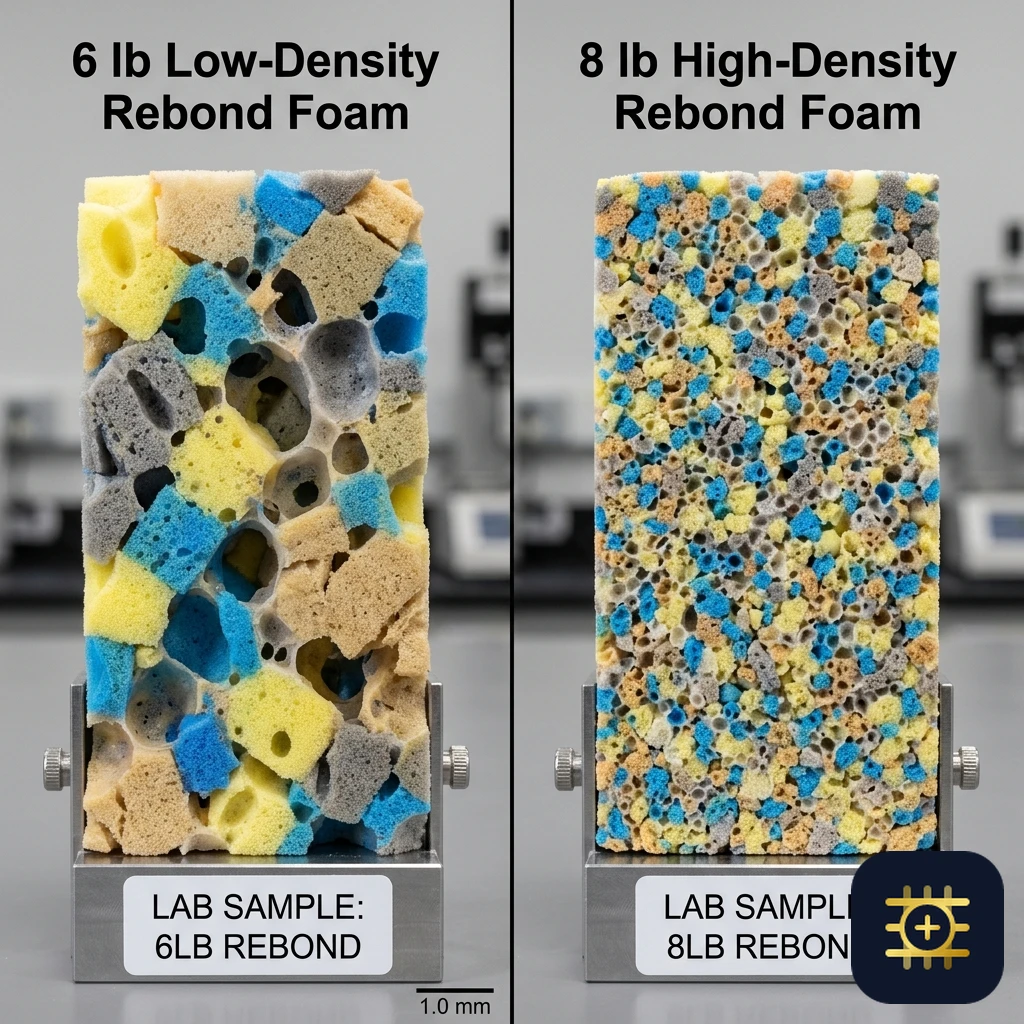
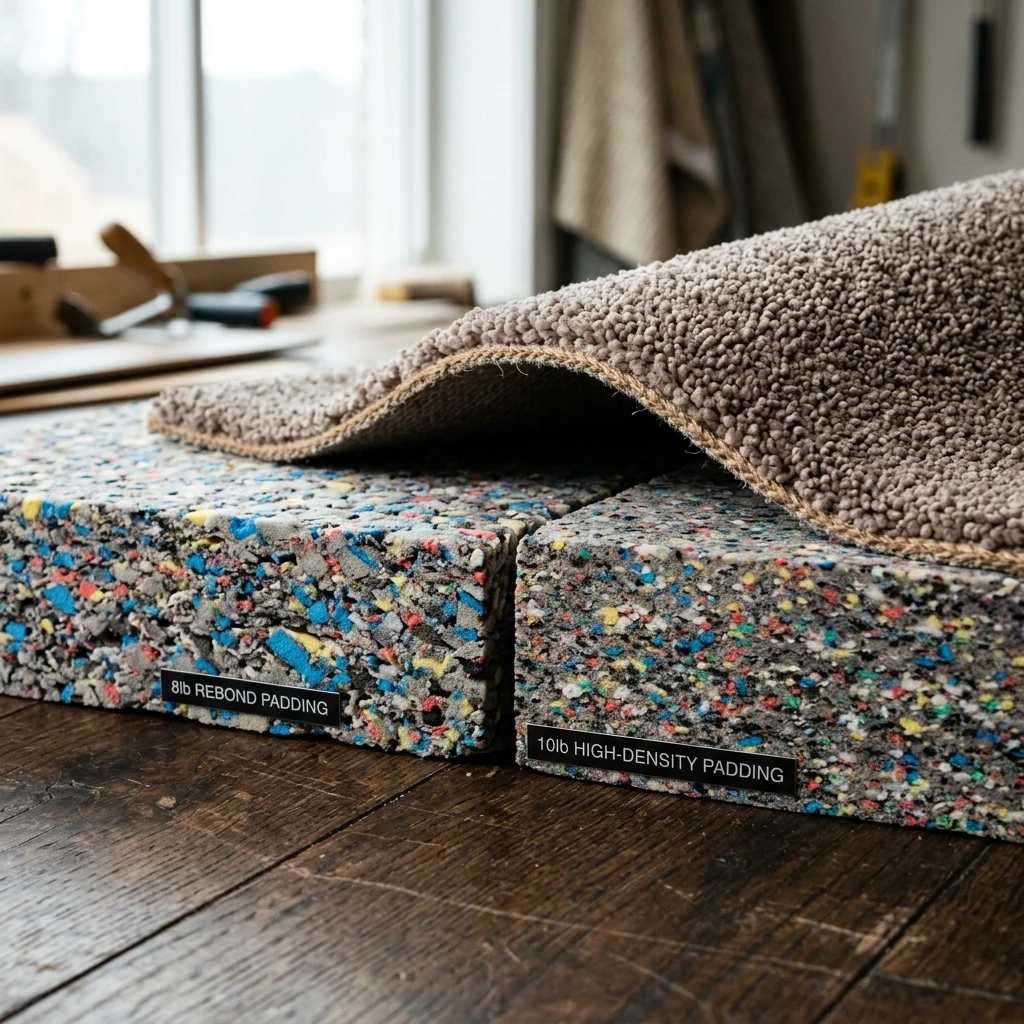
A density comparison showing the structural difference between 6lb and 8lb foam, proving why higher density protects carpet backing from premature wear.
The 1/2-Inch Thickness Mistake Damages Carpet Structure
The most common carpet padding mistake involves excessive thickness. Excessive thickness creates instability beneath the carpet backing.
Many retailers promote 1/2-inch padding because thicker cushions feel softer in showroom demonstrations. Showroom softness creates a misleading perception of luxury and quality.
Industry installation standards disagree with showroom marketing. Industry standards from CRI-105 generally recommend maximum padding thickness of 7/16 inch for most residential carpets.
| Padding Thickness | Structural Result | Installer Recommendation |
|---|---|---|
| 1/4 inch | Minimal cushioning | Commercial applications |
| 3/8 inch | Stable support | Berber and loop carpets |
| 7/16 inch | Optimal residential balance | Most residential carpets |
| 1/2 inch | Excessive vertical travel | Often avoided by installers |
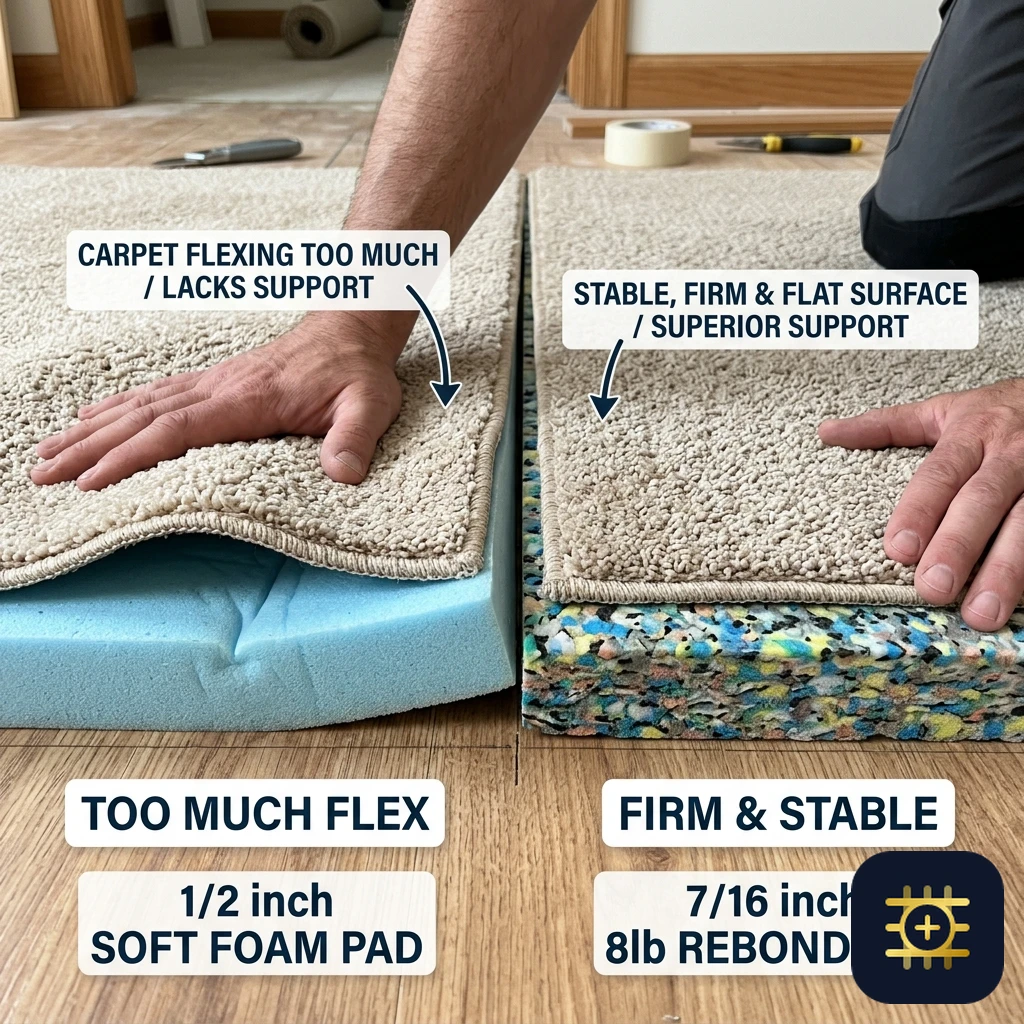
Visual evidence of the 'Thickness Trap' where 1/2 inch padding allows excessive vertical travel that can lead to carpet rippling and voided warranties.
Excessive Thickness Creates Vertical Travel
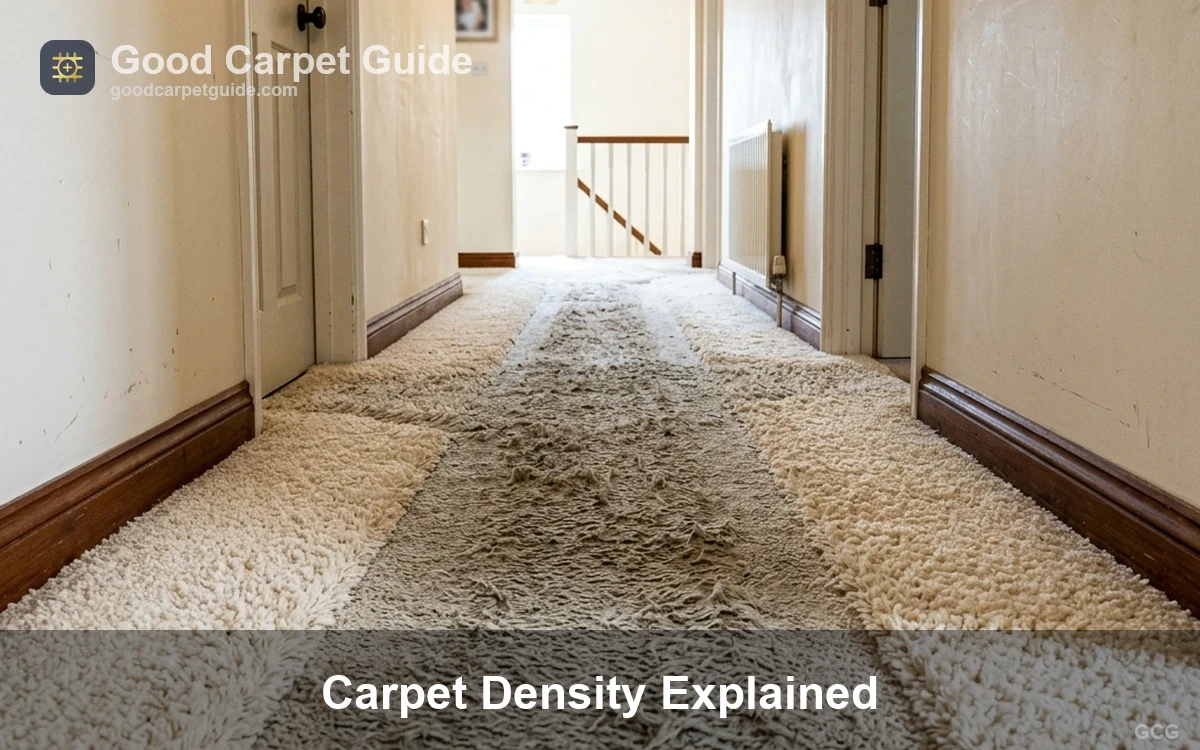
Vertical travel refers to downward movement beneath the carpet during walking. Excessive vertical travel bends the carpet backing repeatedly under load.
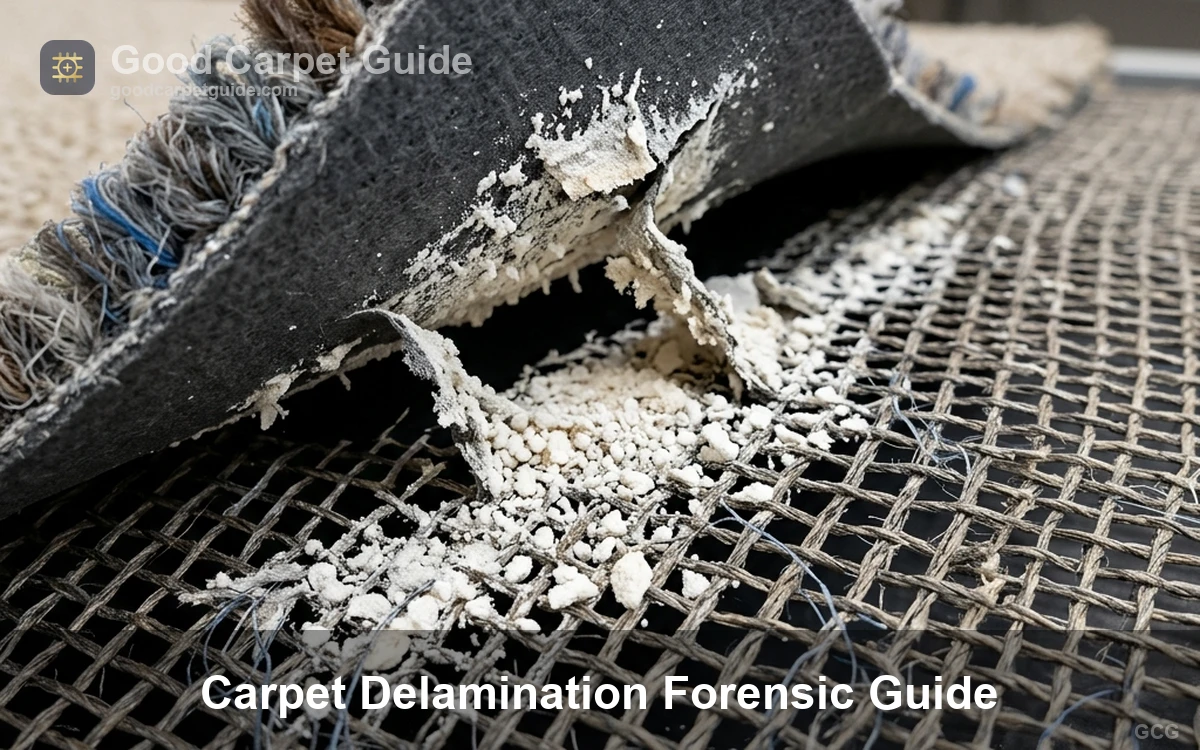
Backing stress increases as thickness increases. Backing stress eventually produces wrinkles, ripples, seam separation, and delamination.
Furniture worsens the problem. Heavy furniture compresses thick padding unevenly and creates permanent depressions that destabilize surrounding carpet sections.
Thick Padding Conflicts With Manufacturer Warranties
Several carpet manufacturers specify minimum density and maximum thickness requirements inside warranty documentation. Warranty compliance depends on following those structural specifications precisely.
Brands like Dixie Home and Masland commonly require padding around 7/16 inch thickness with minimum 8-pound density for many residential products.
Installers regularly encounter voided claims caused by oversized padding selections. Oversized padding creates installation movement outside manufacturer tolerances.
Berber Carpet Requires Firmer and Thinner Padding
Berber carpet performs differently from cut-pile carpet because of its loop construction. Loop construction transfers traffic stress directly through interconnected yarn loops.
Thick padding destabilizes looped carpet quickly. Destabilization increases stretching and seam movement across the carpet surface.
Most professional installers limit Berber padding thickness to 3/8 inch. Reduced thickness keeps the carpet structurally stable during repeated traffic compression.
Density still matters in Berber installations. Density maintains support without creating excessive softness beneath the loop structure.
Density Matters More Than Thickness
Density measures how much material exists inside the cushion structure. Higher density padding resists compression more effectively and maintains support longer.
Consumers often confuse thickness with quality. Thickness primarily changes softness perception while density changes structural durability.
An 8-pound pad outperforms a thick low-density pad in most residential applications. Performance advantages include improved backing stability, better wear distribution, and longer surface appearance retention.
8-Pound Density Is the Residential Sweet Spot
Most installers consider 8-pound density the optimal balance for residential carpet. Eight-pound padding combines durability, comfort, and structural support without excessive firmness.
Eight-pound rebond supports stairs, hallways, living rooms, and bedrooms effectively. Support consistency makes it compatible with most modern carpet warranties.
Many premium carpet manufacturers also align warranty requirements around 8-pound minimum density. Warranty alignment simplifies product selection for homeowners.
| Density Rating | Feel | Durability | Best Application |
|---|---|---|---|
| 6 lb | Soft | Lower | Temporary or budget installations |
| 8 lb | Balanced | High | Standard residential use |
| 10 lb | Firm | Very high | Heavy traffic environments |
10-Pound Padding Prioritizes Durability Over Comfort
Ten-pound padding creates a firmer walking surface. Firmer surfaces reduce compression depth and increase structural longevity.
Residential homeowners sometimes dislike the reduced softness of 10-pound pads. Reduced softness changes the perceived comfort underfoot compared to softer systems.
High-traffic households benefit from 10-pound support structures. Active families, stairs, and commercial-style spaces often justify the increased density.
Use dense carpet systems in active homes alongside durable carpet fibers. Durable carpet fibers improve overall flooring lifespan in busy environments. Read more in Best Carpet for High Traffic Areas .
Moisture Barrier Padding Protects Against Pet Accidents and Spills
Moisture barrier padding adds a protective layer above the cushion core. Protective films stop liquids from penetrating into the pad itself.
Pet owners frequently choose moisture-resistant systems. Moisture resistance limits odor absorption and bacterial contamination inside the cushion layer.
Modern barrier pads use spill-blocking films or laminated scrim layers. Film technology prevents liquid penetration while preserving structural flexibility.
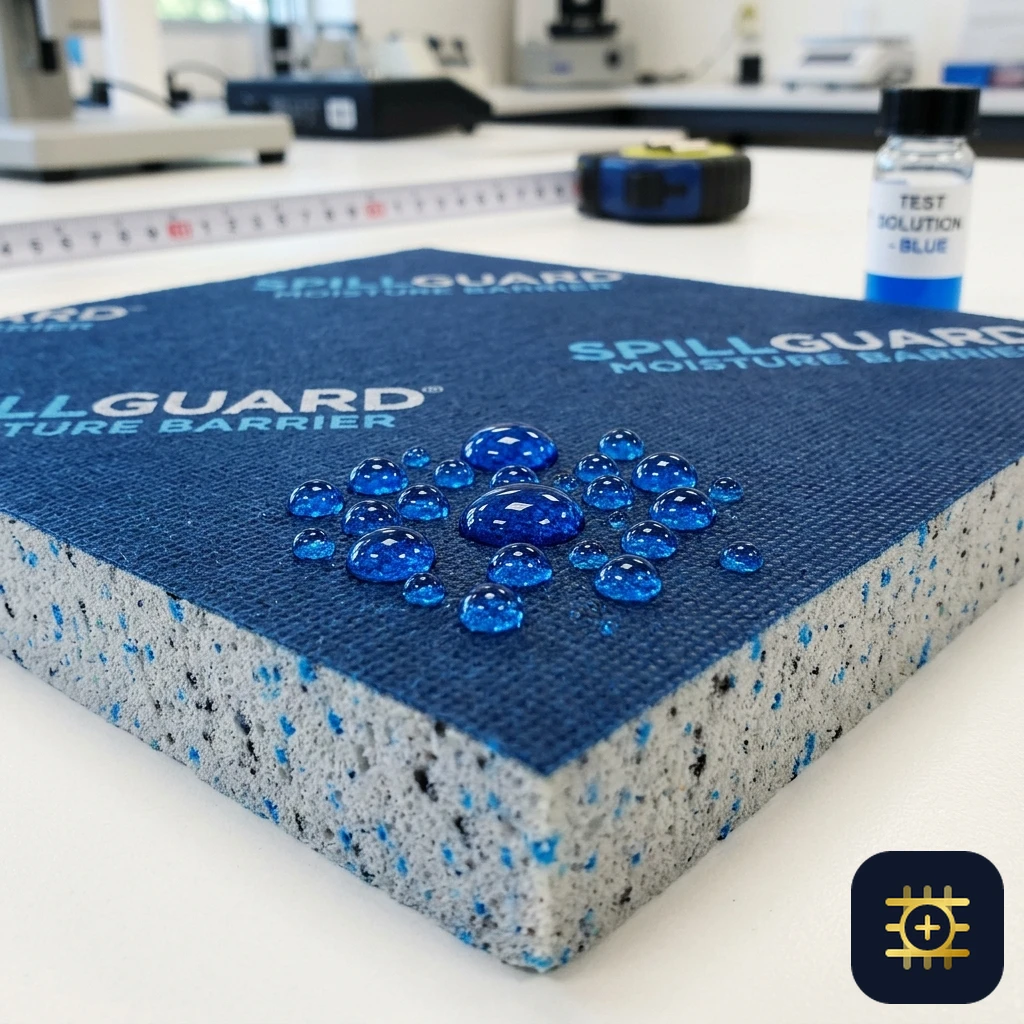
A moisture barrier test demonstrating how premium SpillGuard scrim prevents liquid from soaking into the cushion core, preventing subfloor mold and pet odors.
Spill Protection Fails Without Proper Seam Sealing
Moisture-resistant padding only works when seams are sealed correctly. Unsealed seams allow liquids to pass directly between padding sections.
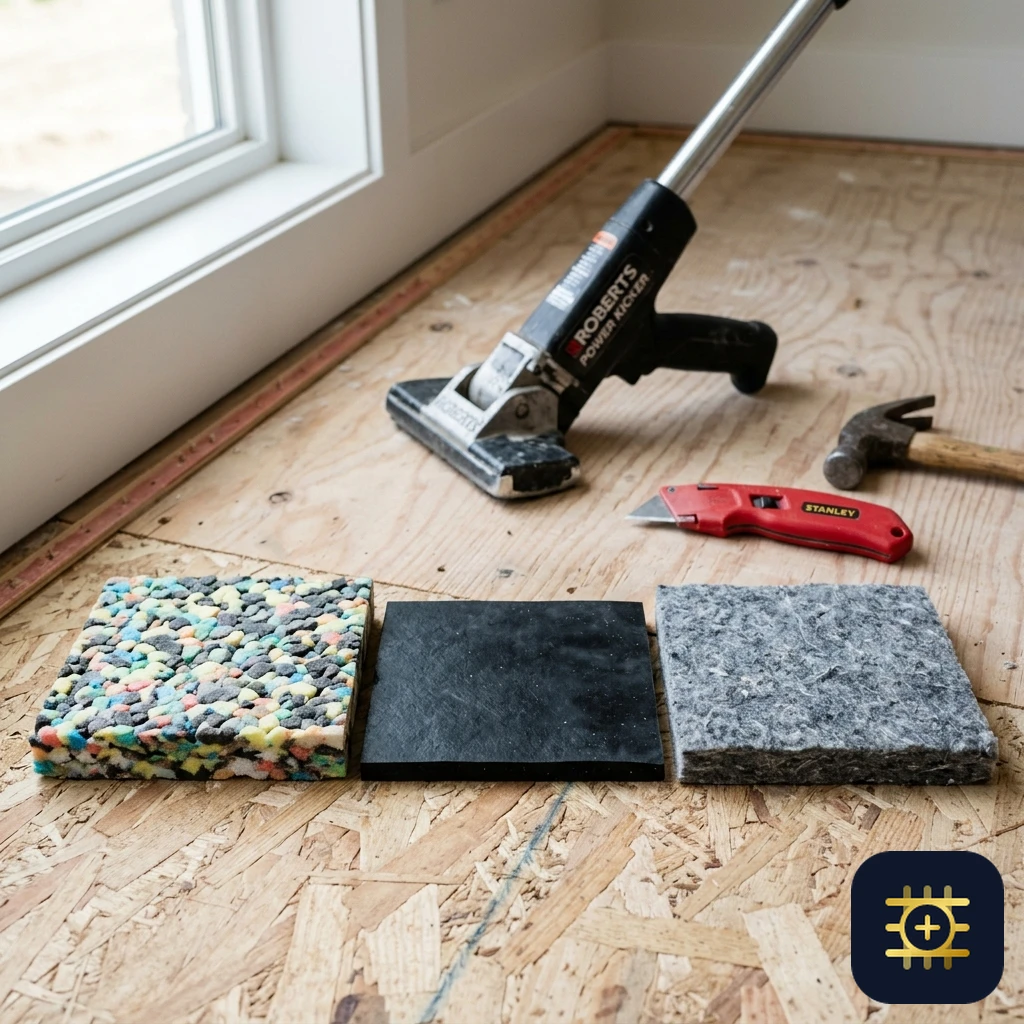
Installers use moisture-resistant tape specifically designed for carpet cushion systems. Seam tape creates continuous liquid protection beneath the carpet.
Many failed pet-proof installations result from missing seam tape rather than failed padding material. Seam continuity determines actual spill protection performance.
| Moisture Feature | Function | Installation Requirement |
|---|---|---|
| SpillGuard Film | Blocks liquid penetration | Requires sealed seams |
| Tri-Extruded Barrier | Protects cushion core | Requires taped joints |
| Vapor Breathability | Releases subfloor moisture | Requires breathable construction |
Breathable Barrier Systems Reduce Subfloor Moisture Problems
Older waterproof padding trapped moisture beneath the carpet assembly. Trapped moisture increased mold and mildew risk over concrete slabs.
Modern systems like Stainmaster PetProtect balance spill resistance with vapor permeability. Vapor permeability allows subfloor moisture to escape upward without allowing liquid spills downward.
Breathable barrier engineering improves long-term flooring stability. Flooring stability becomes especially important in humid climates and basement installations.
Carpet Padding Changes Acoustic and Thermal Performance
Padding contributes significantly to floor insulation performance. Insulation performance improves energy efficiency and floor comfort.
Dense cushion structures reduce conductive heat transfer through the subfloor. Reduced heat transfer creates warmer walking surfaces during colder seasons.
Padding also reduces noise transmission between floors. Noise reduction improves comfort in apartments, townhomes, and multi-level homes.
Rubber and dense rebond systems generally outperform lightweight foam products acoustically. Acoustic performance depends on compression density and material elasticity.
Cheap Carpet Performs Better With Quality Padding
Installers frequently repeat one principle during flooring projects. Good padding improves average carpet while poor padding weakens premium carpet.
Support quality affects visual aging. Visual aging includes matting, crushing, wrinkling, and texture distortion.
Budget carpet installed over quality 8-pound rebond often outperforms expensive carpet installed over oversized low-density padding. Structural support controls long-term appearance retention more than showroom softness.
Consumers usually focus on carpet fiber while ignoring the cushion beneath it. Cushion quality often determines whether the carpet still looks acceptable after five years.
Carpet Padding Costs Include Large Retail Markups
Carpet padding pricing varies dramatically between installer cost and retail presentation. Retail pricing often includes substantial markup percentages.
Professional installers commonly purchase standard rebond padding around $1.00 per square foot. Retail flooring stores frequently sell comparable products closer to $3.00 per square foot installed.
| Padding Tier | Typical Retail Price | Common Density |
|---|---|---|
| Budget Foam | $0.50ΓÇô$1.00/sq.ft | 5ΓÇô6 lb |
| Standard Rebond | $1.00ΓÇô$2.00/sq.ft | 7ΓÇô8 lb |
| Premium Rubber | $2.00ΓÇô$3.00+/sq.ft | High-density |
Sales Presentations Often Prioritize Margin Over Performance
Retail sales teams frequently emphasize softness upgrades. Softness upgrades produce higher perceived luxury during short demonstrations.
Installers prioritize structural compatibility instead. Structural compatibility reduces callbacks, warranty disputes, and stretching failures.
The disagreement between showroom marketing and installer reality defines many carpet performance problems. Showroom sales prioritize immediate feel while installers prioritize long-term structural behavior.
Choose Carpet Padding Based on Room Function
Different rooms require different structural priorities. Structural priorities include softness, resilience, spill protection, and traffic durability.
Living Rooms Require Balanced Density and Stability
Living rooms experience repeated traffic compression and furniture pressure. Traffic exposure requires stable residential-grade support.
Use 8-pound rebond around 7/16 inch thickness in most living room installations. Balanced support maintains comfort without excessive movement.
Bedrooms Allow Slightly Softer Cushioning
Bedrooms experience lighter traffic loads. Reduced traffic allows slightly softer underfoot feel.
Use quality 7-pound or 8-pound padding with controlled thickness in bedrooms. Controlled thickness still prevents instability problems.
Stairs Require Dense and Thin Padding
Stairs create concentrated compression stress. Concentrated stress quickly destroys low-density cushion structures.
Use dense low-profile padding on stairs. Low-profile support preserves tread definition and reduces movement beneath the carpet.
Basements Need Moisture Management
Basement floors often release vapor through concrete slabs. Vapor movement requires breathable moisture-control systems.
Use breathable moisture-barrier padding over basement concrete. Breathable systems reduce odor retention and trapped moisture risk.
Carpet Padding Installation Determines Final Performance
Even premium padding fails under poor installation conditions. Installation quality directly affects lifespan and structural stability.
Installers must staple or secure padding properly, align seams tightly, and tape moisture barriers completely. Proper attachment prevents shifting beneath the carpet.
Incorrect seam alignment creates uneven support zones. Uneven support causes visible wear patterns and localized wrinkling.
Professional stretching also matters. Proper stretching maintains carpet tension and prevents movement over the cushion system.
The Best Carpet Padding Strategy Prioritizes Structural Balance
The best carpet padding strategy balances density, thickness, resilience, and room function together. Structural balance prevents the softness mistakes that shorten carpet lifespan.
Most homeowners benefit from one simple formula. Use approximately 7/16 inch thickness with 8-pound density for standard residential carpet installation s.
Avoid oversized 1/2-inch pads unless the carpet manufacturer explicitly approves them. Manufacturer approval matters more than showroom feel.
Dense and properly installed padding protects carpet warranties, improves appearance retention, reduces structural movement, and increases long-term flooring value. Structural support always outperforms temporary softness perception over the life of the carpet.