Carpet delamination is the structural separation of a carpet’s primary backing from the secondary backing after the styrene-butadiene rubber (SBR) latex bond fails. Carpet delamination destroys dimensional stability, weakens tuft bind strength, and causes rippling, buckling, seam separation, and backing disintegration. Carpet delamination also produces white chalk-like powder beneath the carpet when calcium carbonate-filled latex crystallizes and fractures under shear stress.
Modern tufted carpet construction depends on adhesive integrity more than face fiber thickness. A carpet with premium wool yarn or solution-dyed nylon still fails rapidly if the SBR lamination layer fractures under repeated flexing, caster traffic, hydrolysis, or excessive vertical displacement from low-density padding. Retail showrooms focus heavily on face fiber softness while ignoring the mechanical relationship between primary backing, secondary backing, carpet cushion density, tack strip tension, and shear load distribution.
Homeowners commonly describe carpet delamination as “crunching,” “crumbling,” or “rippling all over suddenly.” Installers identify the same condition through backing separation, seam splitting, chalking residue, and localized buckling that refuses to stretch flat. Inspectors also identify severe cases where synthetic fibers detach from the backing entirely and migrate through the home as abrasive micro-fibers.
Manufacturers frequently attribute carpet delamination to pet urine contamination, hot water extraction, or improper maintenance. Flooring inspectors repeatedly document different root causes: diluted latex formulations, excessive calcium carbonate filler, skipped power stretching, over-cushioned underlayment, and seam construction shortcuts. The forensic distinction matters because carpet delamination is rarely repairable once backing integrity collapses.
What Is Carpet Delamination?
Carpet delamination is the mechanical separation between the primary backing and secondary backing caused by adhesive bond failure inside the latex lamination layer. The latex lamination layer bonds tufted yarn rows to the structural backing system.
The primary backing is the woven or nonwoven substrate that holds the carpet tufts in place during tufting. The tufting needles penetrate the primary backing and insert yarn loops into the substrate. The secondary backing is the stabilizing layer laminated beneath the primary backing to provide dimensional stability, tension resistance, and structural rigidity.
SBR latex adhesive is a styrene-butadiene copolymer emulsion that bonds the primary backing to the secondary backing. SBR latex also locks tuft rows into position and distributes flex stress across the carpet structure.
The failure sequence follows a predictable mechanical pattern:
- Repeated flexing fractures the latex bond.
- Latex crystallization weakens adhesive elasticity.
- Secondary backing separates from primary backing.
- Tuft rows lose structural stability.
- Carpet ripples, wrinkles, and buckles permanently.
The Federal Housing Administration lamination standard requires only 2.5 pounds per inch of delamination resistance. Peeling an orange requires roughly 4 pounds of force. The modern minimum standard leaves minimal structural margin when installers combine thick plush padding with heavy rolling traffic.
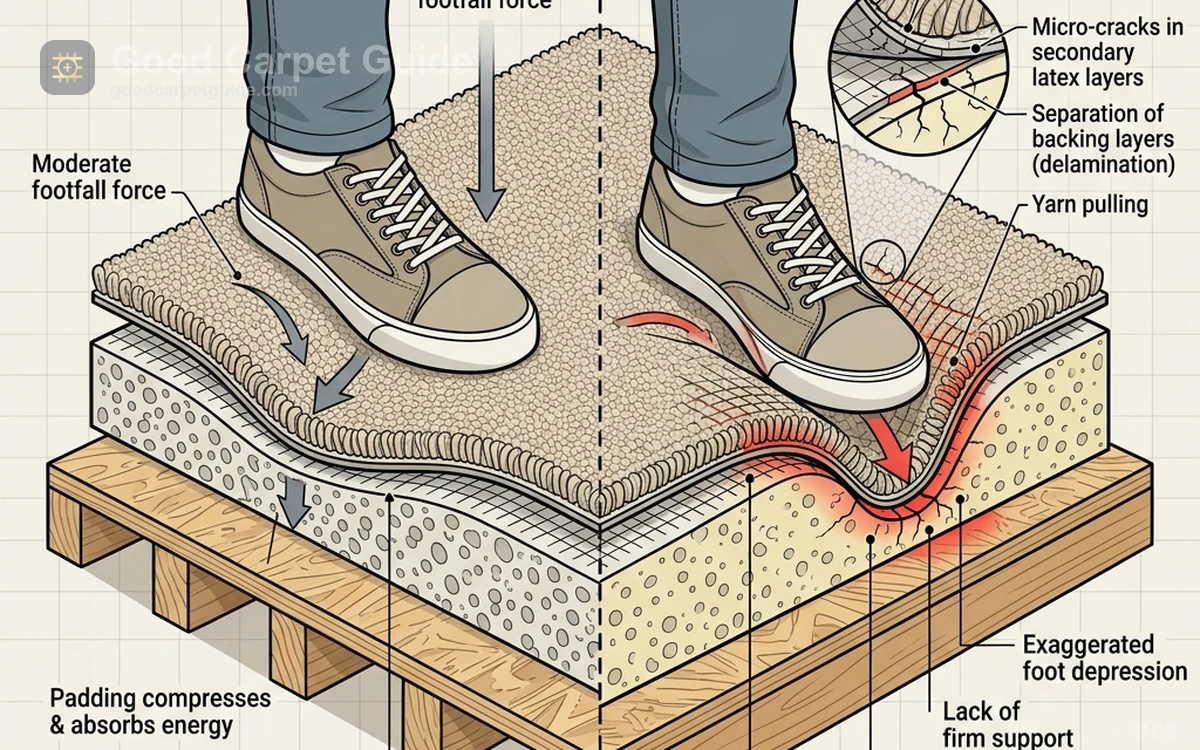
Cross-sectional carpet delamination begins inside the SBR latex layer where repeated shear stress fractures the adhesive bond between the primary backing and secondary backing before ripples appear on the carpet surface.
Carpet delamination differs from normal carpet loosening. Loose carpet still retains intact lamination strength. Delaminated carpet loses backing cohesion entirely and cannot maintain tension after re-stretching.
Diagnostic Tests: How to Identify Latex Failure
Carpet delamination produces visible and tactile evidence long before complete structural collapse. Flooring inspectors use several field tests to distinguish simple tension loss from irreversible backing failure.
Perform the Ripple Migration Test
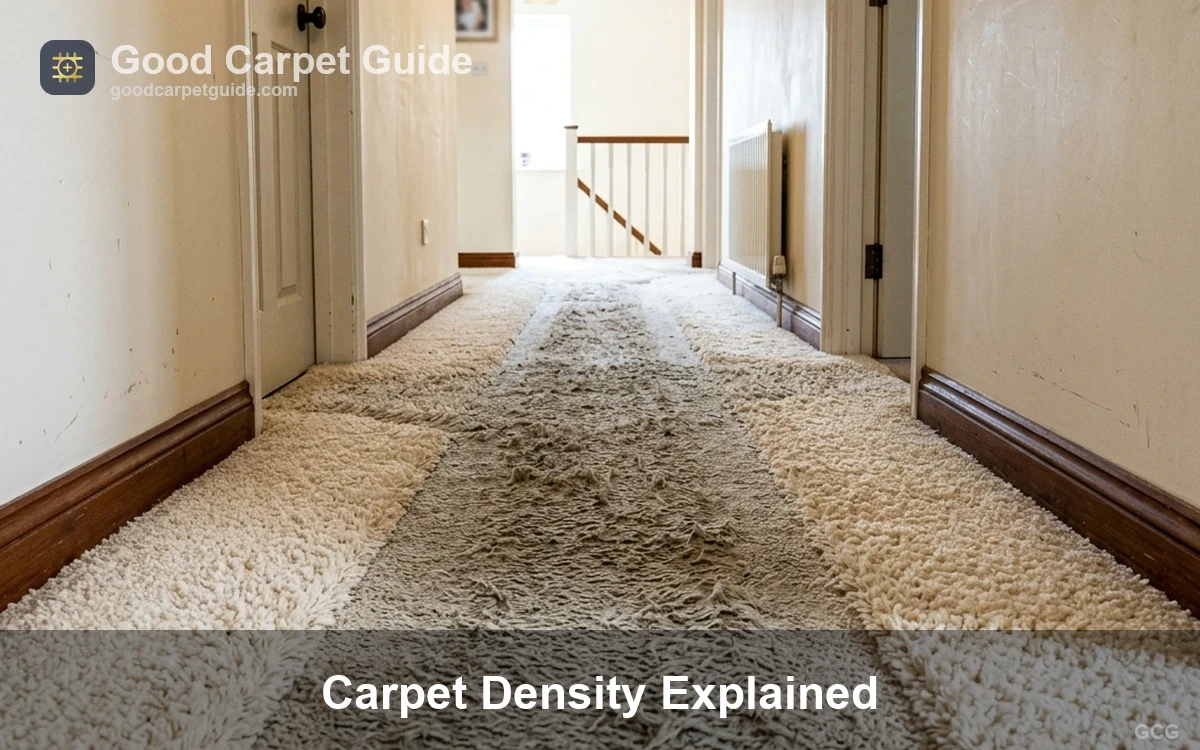
The Ripple Migration Test differentiates loose carpet from localized delamination. Push a visible ripple across the floor with the palm of the hand.
A loose carpet ripple travels continuously across the room because the carpet backing still functions as a unified tension membrane. A delamination ripple suddenly stops, bunches, or folds sharply because the separated backing layers interrupt structural continuity.
Localized stopping points indicate isolated backing separation beneath the carpet surface. The localized separation acts as a mechanical hinge instead of a tensioned sheet.
Perform the Banana Peel Test
The Banana Peel Test measures lamination strength between the primary and secondary backing. Lift a carpet corner and manually separate the backings.
Healthy carpet construction resists separation aggressively. Failed carpet construction peels apart with minimal force, similar to removing a banana peel.
Installers and inspectors classify easy separation as a mill-level adhesive failure. Properly cured SBR latex maintains strong fiber penetration into both backing layers and resists manual peeling.
Inspect for Chalking and Powder Residue
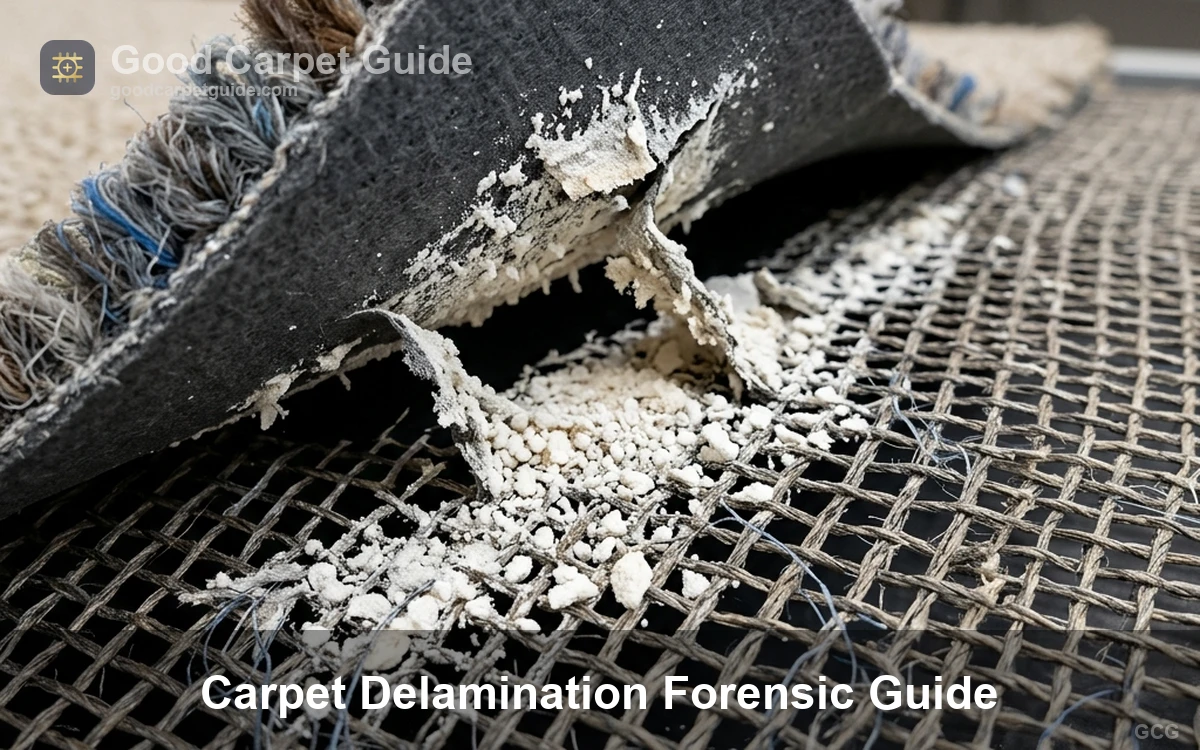
Chalking is the visible accumulation of white, gray, or beige powder beneath the carpet. Chalking occurs when calcium carbonate-filled latex crystallizes and fractures into particulate dust.
The powder originates from degraded SBR latex adhesive rather than carpet padding. Inspectors frequently find chalking concentrated near seams, office chairs, hallways, and furniture pivot points where shear stress peaks.
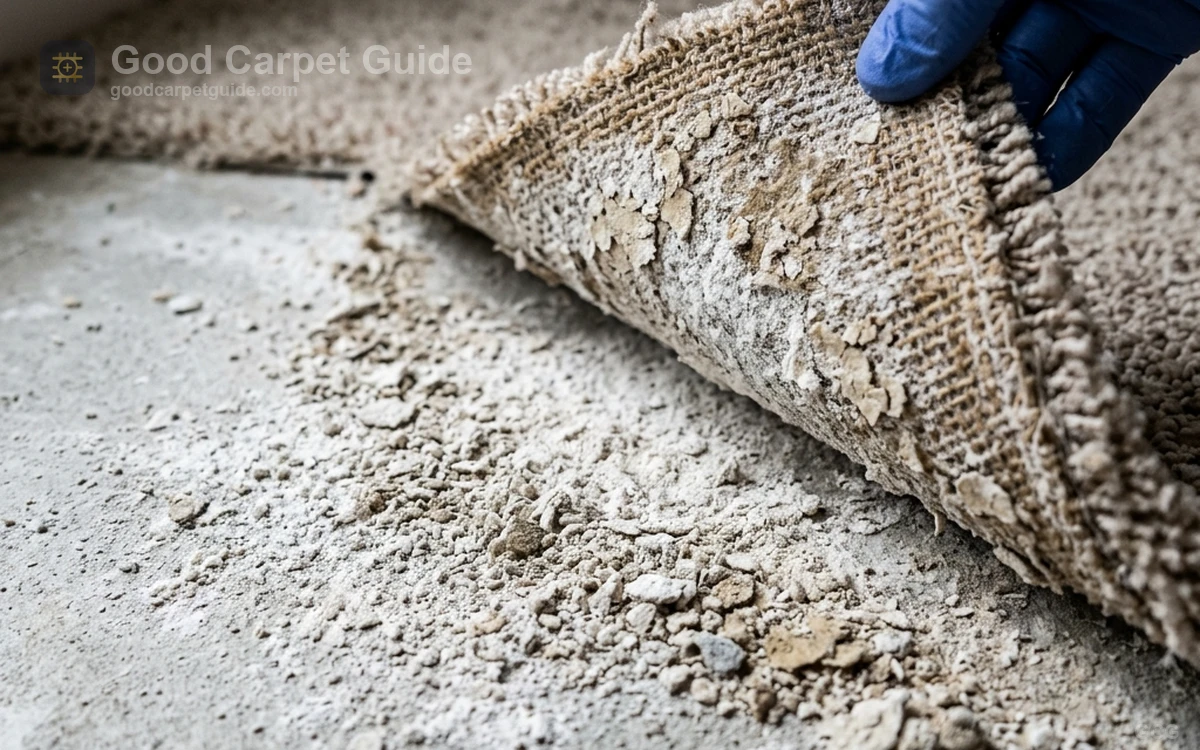
White chalking residue beneath a traffic lane indicates calcium carbonate crystallization and adhesive fracture inside the failing SBR latex layer before full secondary backing separation occurs.
Chalking is irreversible evidence of adhesive breakdown. Restretching does not restore crystallized latex integrity.
Inspect for Crunching and Hollow Zones
Delaminated carpet produces audible crunching underfoot as fractured latex particles grind between separated backing layers.
Healthy carpet backing feels dense and unified. Failed backing feels hollow, brittle, or detached from the cushion beneath.
Inspect for Seam Splitting
Dry seams fail early because installers skip latex seam sealer during installation. The seam edges absorb concentrated tension loads during stretching and foot traffic.
Installers using knee-kickers instead of power stretchers create uneven tension distribution that accelerates seam delamination. Proper installation procedures inside the carpet tack strip guide explain why dimensional stability depends on controlled tension between opposing tack strip fields.
The Root Causes: Cheap Latex vs. Installer Shortcuts
Carpet delamination originates from both manufacturing defects and installation failures. The most destructive failures combine both variables simultaneously.
Cheap SBR Latex Formulations
Manufacturers reduce production cost by diluting SBR latex with excessive calcium carbonate filler. Calcium carbonate functions as inert bulk material rather than structural adhesive.
Inspectors compare excessive filler loading to adding gravel into concrete without increasing cement content. The filler occupies physical space while reducing elastic bonding strength.
High filler ratios create several mechanical failures:
- Reduce adhesive elasticity.
- Reduce lamination strength.
- Increase crystallization risk.
- Increase brittle fracture propagation.
- Increase powdering beneath the carpet.
The latex layer eventually dries into a rigid mineral-heavy crust instead of a flexible polymer membrane.
Improper Power Stretching
Installers create severe tension failures when installers rely exclusively on knee-kickers instead of power stretchers.
A knee-kicker transfers force only a few inches forward from the installer’s knee strike. A power stretcher distributes controlled tension across the entire carpet field. Industry standards require approximately 1% to 1.5% stretch tension for dimensional stability.
Improper stretching creates concentrated stress pockets that fatigue the backing unevenly. Ripples begin forming months before homeowners notice visible buckling.
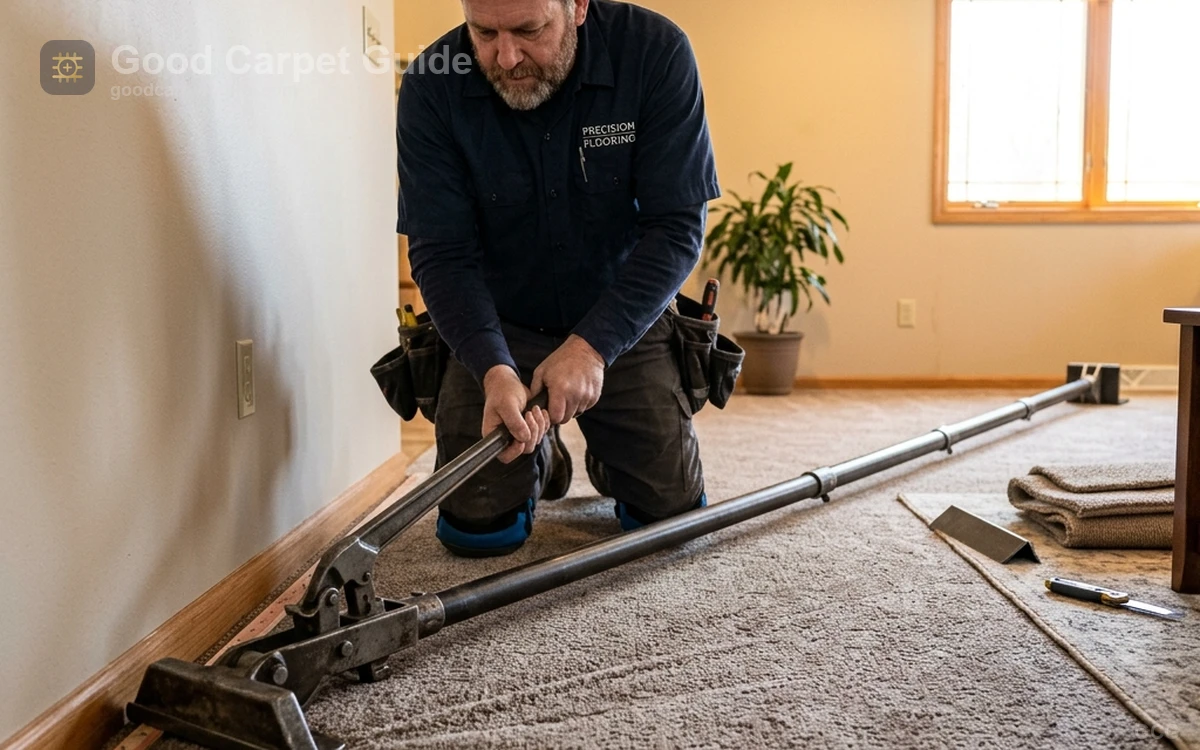
Proper power stretching distributes tension evenly across the carpet field and reduces localized shear stress that later fractures the SBR lamination layer near seams and traffic lanes.
Dry Seam Construction
Installers skipping seam sealer create “dry seams” that split under traffic flexing. Seam sealer locks tuft rows and backing edges together before heat tape bonding.
Dry seams allow microscopic backing movement during every footstep. Repeated movement fractures the surrounding latex bond line rapidly.
Aggressive Wet Cleaning
Over-wetting accelerates hydrolysis inside SBR latex. Hydrolysis weakens adhesive cohesion after prolonged moisture exposure.
Improper cleaning methods produce several destructive conditions:
- Saturate backing layers excessively.
- Dissolve latex plasticizers.
- Promote microbial contamination.
- Accelerate calcium carbonate separation.
- Increase backing shrinkage during drying.
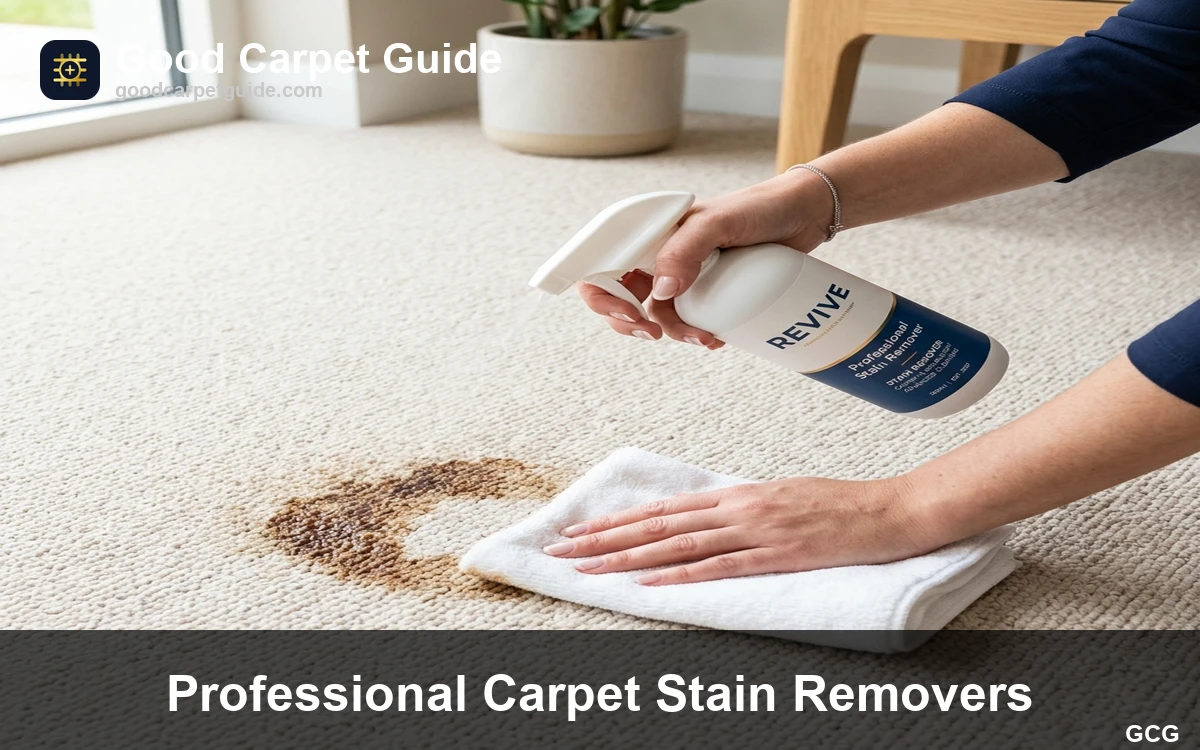
Solvent-heavy spot removers and uncontrolled hot water extraction procedures inside some consumer-grade carpet stain removers systems also destabilize latex chemistry when technicians oversaturate the backing structure.
Water Damage and Slow Drying
Flood exposure destroys carpet backing rapidly if drying exceeds safe moisture thresholds. Professional drying and re-gluing costs roughly 40% to 60% of full replacement cost.
DIY drying methods fail because moisture remains trapped beneath secondary backing and padding. The trapped moisture softens latex adhesive while mold colonizes the cushion and subfloor simultaneously.
The Caster Chair and Cushion Dilemma
Rolling office chairs and oversized carpet cushions generate concentrated shear stress directly inside the latex bond line. The mechanical load pattern differs completely from normal foot traffic.
Rolling Chairs Strip the Backing Internally
Office chair casters apply horizontal torque repeatedly within a concentrated footprint. The rolling movement shears the primary backing against the secondary backing thousands of times daily.
The shear load strips the adhesive bond internally before visible surface damage appears. Inspectors frequently discover severe backing separation beneath office desks while surrounding carpet remains intact.
A simple $20 hard chair mat prevents catastrophic localized delamination by redistributing wheel pressure onto a rigid surface.
Thick Plush Padding Creates a Trampoline Effect
Retail salespeople aggressively upsell thick soft padding because soft underfoot feel closes showroom sales quickly. Thick low-density cushion creates destructive vertical displacement beneath the carpet structure.
Installers describe the movement as a “trampoline effect.” The carpet flexes vertically with every footstep while the backing layers experience repeated bending stress.
The bending stress fractures latex progressively at the molecular level.
Modern tufted carpet requires controlled support rather than excessive softness. The Ultimate Carpet Padding Guide explains how cushion density influences shear force distribution and tuft stability beneath modern carpet systems.
Padding thickness must remain below strict thresholds:
| Carpet Type | Maximum Cushion Thickness |
|---|---|
| Standard Residential Carpet | 1/2 inch |
| Berber Carpet | 3/8 inch |
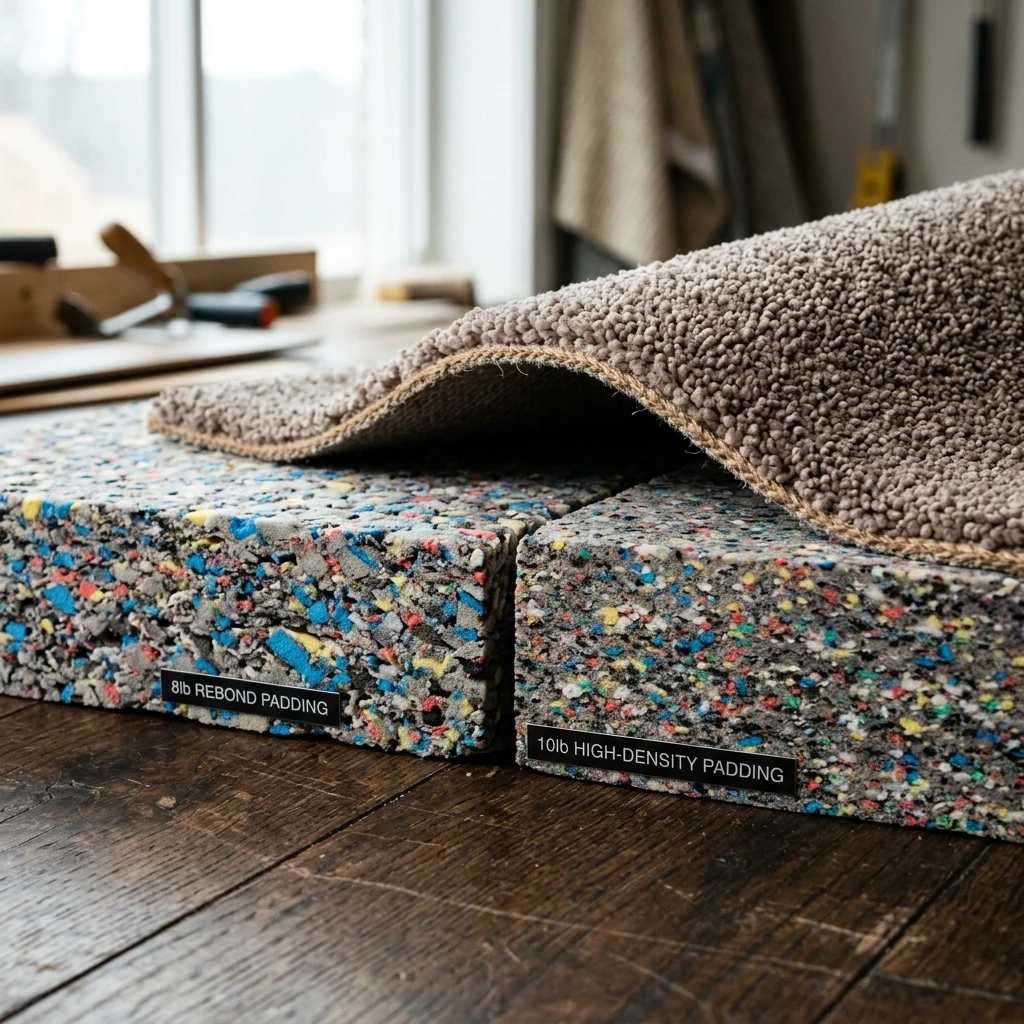
High-density cushion performs better than thick low-density cushion because high-density foam limits vertical travel. The mechanical comparison inside 8lb vs 10lb carpet padding demonstrates why denser underlayment preserves lamination strength and reduces backing fatigue over time.
Thick low-density carpet padding increases vertical carpet displacement while dense high-support underlayment stabilizes the backing system and reduces shear stress inside the SBR adhesive layer.
Health Hazards: Disintegration and Micro-Fiber Migration
Severe carpet delamination evolves from structural failure into an indoor air quality hazard once synthetic fibers detach from the backing system.
One documented Shaw loop carpet failure demonstrated the full progression of catastrophic backing disintegration. The Pale Cream loop carpet suffered structural delamination after installation, causing loop fibers to detach from the deteriorating backing continuously.
The detached fibers fragmented into abrasive airborne micro-fibers that migrated through the home mechanically. Occupants documented respiratory irritation and mechanical dermatitis linked directly to the disintegrating carpet structure.
Professional cleaners refused cleaning attempts because aggressive extraction would have accelerated total carpet collapse.
The health mechanism follows a direct physical sequence:
- Latex failure loosens tuft rows.
- Tuft rows detach from primary backing.
- Synthetic fibers abrade into fragments.
- HVAC airflow redistributes fragments.
- Occupants inhale airborne particulates.
Loop carpet constructions become particularly hazardous because detached loops unravel into sharp synthetic strands that circulate through occupied spaces aggressively.
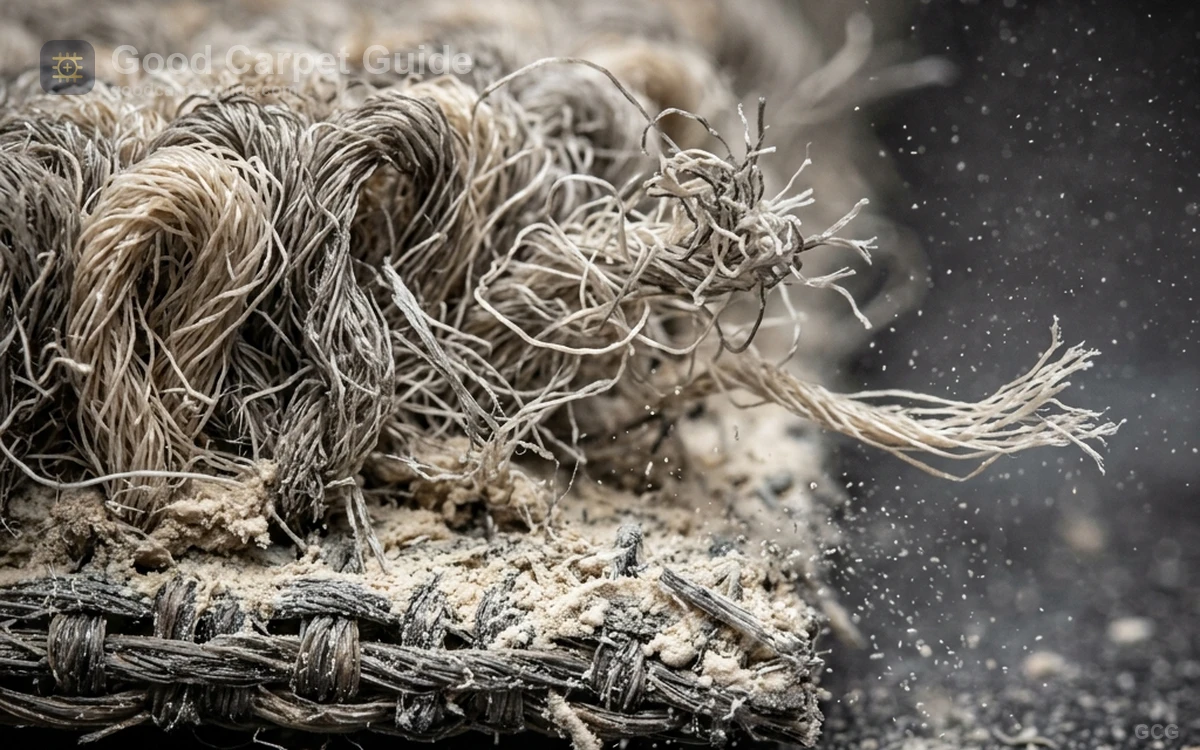
Severe carpet delamination releases detached synthetic fibers and degraded latex particles that migrate mechanically through indoor airflow pathways after tuft bind failure develops.
Mechanical dermatitis develops when abrasive micro-fibers contact exposed skin repeatedly. Respiratory irritation increases when fragmented nylon or polypropylene particles remain suspended in indoor air circulation.
Warranty Battles: How Brands Shift the Blame
Carpet warranty disputes revolve around causation. Manufacturers attempt to classify delamination as maintenance failure or user abuse instead of adhesive failure.
Mohawk New Zealand Wool Dispute
One homeowner spent $12,062 on 157 square yards of Mohawk 100% New Zealand wool carpet and identified severe backing separation within weeks of installation.
The carpet failed near the couch area rapidly despite the premium wool construction. Mohawk rejected the warranty claim and classified the failure as a “pivot point” issue caused by occupant traffic behavior.
The “pivot point” explanation appears frequently in manufacturer denial letters because rotational foot traffic concentrates shear force. Inspectors counter that properly bonded backing systems tolerate normal residential pivot loading without catastrophic separation.
Premium face fiber does not compensate for weak lamination chemistry.
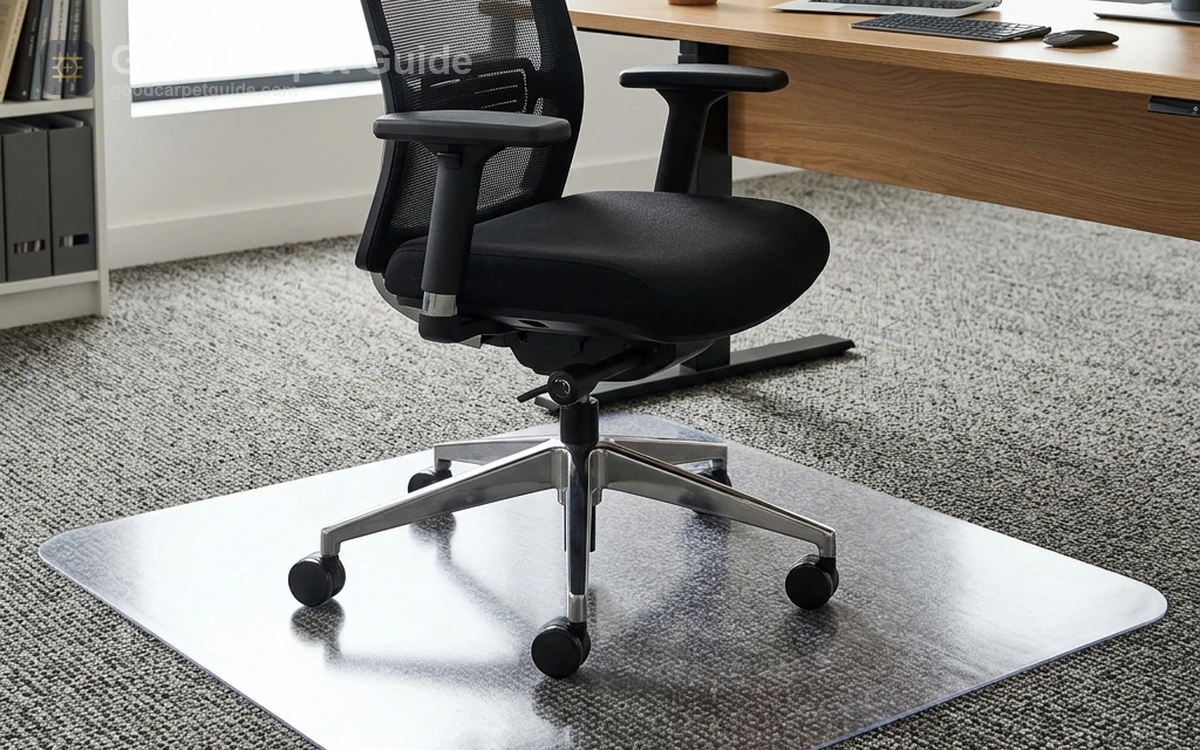
Muuyi Heavy Duty Polycarbonate Chair Mat for Carpet
Bulletproof polycarbonate shield designed to eliminate concentrated rolling caster shear stress. Essential for high-traffic office spaces to prevent rapid backing delamination under rolling chairs.
Check Price on AmazonMohawk PetProof Cleaning Clauses
Mohawk PetProof warranty structures contain strict maintenance language requiring professional cleaning documentation within narrow intervals. Some policies require receipts proving professional cleaning within 12 to 18 month cycles.
Manufacturers leverage missing paperwork aggressively during claim disputes. The documentation requirement shifts evidentiary burden toward the homeowner rather than the adhesive system itself.
Wet Cleaning Blame Shifting
Manufacturers routinely attribute delamination to wet cleaning hydrolysis. Hydrolysis does weaken SBR latex chemically under prolonged saturation.
Inspectors repeatedly identify additional structural contributors during forensic inspections:
- Identify dry seams near failure zones.
- Identify insufficient stretch tension.
- Identify over-thick carpet cushion.
- Identify chalking beneath the backing.
- Identify brittle calcium carbonate crystallization.
The combined evidence frequently indicates systemic construction weakness rather than isolated maintenance abuse.
Repair vs. Replace: Technical and Cost Analysis
Carpet delamination is rarely repairable because dimensional stability disappears permanently after backing separation occurs.
Re-Stretching Does Not Restore Structural Integrity
Homeowners frequently attempt to re-stretch bubbling carpet after delamination begins. Re-stretching temporarily flattens visible ripples while leaving the fractured backing system intact.
Installers summarize the failure bluntly: “The carpet is dead.”
Separated backing layers no longer transmit tension uniformly. The carpet ripples again rapidly after reinstallation.
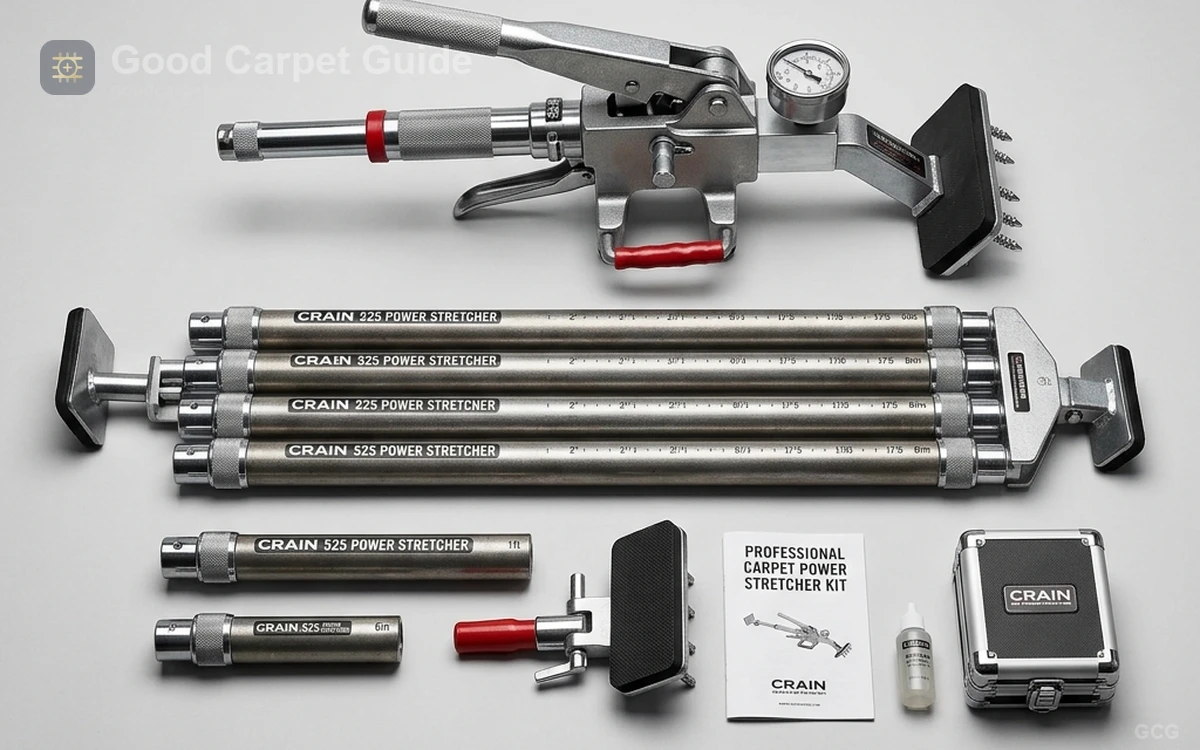
Roberts 10-254 Professional Carpet Power Stretcher
Commercial-grade tensioning tool required to achieve the FHA-mandated 1-1.5% stretch tension. Prevents buckling, lateral displacement, and the destructive 'trampoline effect' that shatters latex.
Check Price on AmazonLocalized Repairs Fail Economically
Localized delamination repair is technically difficult and financially inefficient. Adhesive injection methods fail because fractured latex continues crumbling beneath the repaired section.
Glued-down carpet installations become especially problematic because removing isolated sections damages surrounding bonded material aggressively.
Most homeowners discover replacement costs undercut repair attempts after labor, seam reconstruction, and substrate preparation accumulate.
Water Damage Restoration Thresholds
Professional drying and re-gluing remains financially viable only during early-stage moisture exposure. Restoration contractors salvage some carpets successfully when drying begins immediately after water intrusion.
Replace carpet entirely if drying delays allow:
- Deep mold colonization.
- Secondary backing shrinkage.
- Widespread latex hydrolysis.
- Cushion contamination.
- Subfloor microbial growth.
Prevention Costs Less Than Failure
Preventive installation standards cost dramatically less than full replacement.
| Preventive Measure | Approximate Cost | Failure Prevented |
|---|---|---|
| Hard Chair Mat | $20 | Caster-induced shear failure |
| Dense 10lb Cushion Upgrade | Moderate upgrade cost | Vertical displacement fatigue |
| Professional Power Stretching | Standard installation cost | Wrinkling and seam stress |
| Seam Sealer Application | Minimal material cost | Dry seam delamination |
| Fast Professional Water Extraction | Emergency service cost | Hydrolysis and mold |
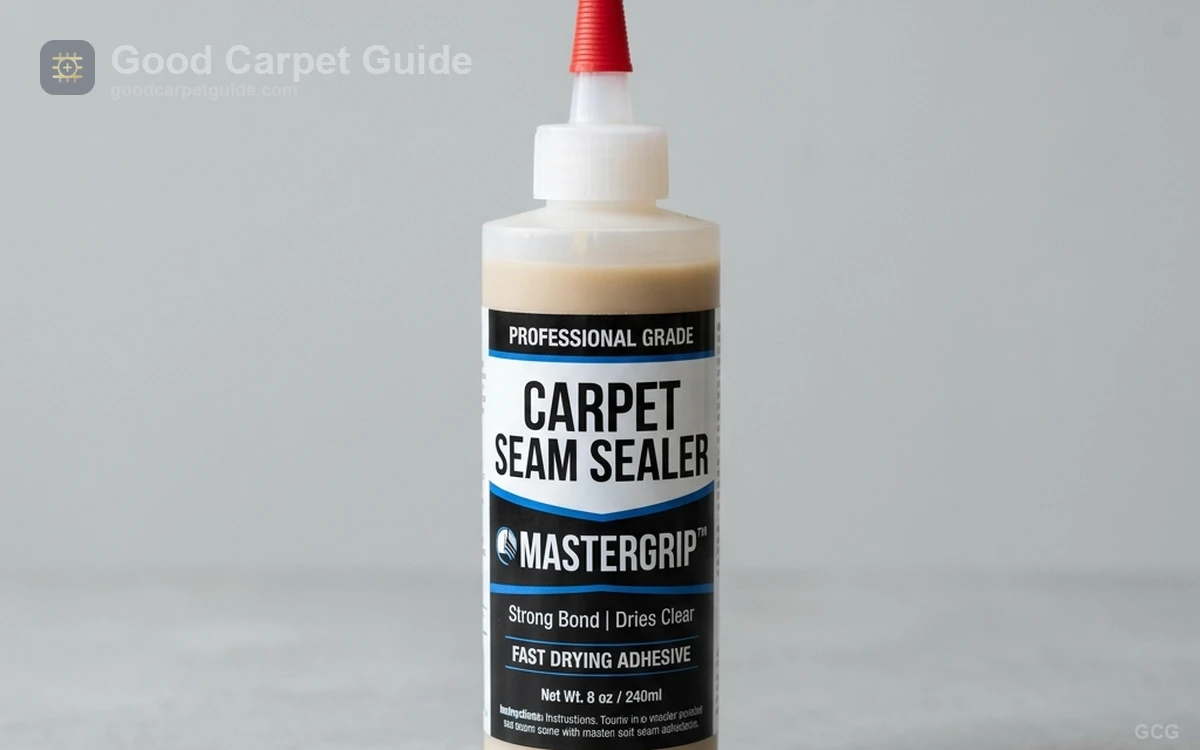
Roberts 8015 Universal Carpet Seam Sealer
The industry standard for preventing seam delamination. Applied directly to cut edges before seaming to lock face fibers and primary backing together. Non-flammable, solvent-free, and extremely durable.
Check Price on AmazonThe economics remain straightforward. Replacing a failed carpet system costs thousands of dollars while preventive installation details cost a fraction of the replacement cycle.
Carpet Delamination Is a Structural Failure, Not a Cosmetic Problem
Carpet delamination destroys the internal engineering that allows tufted carpet to maintain shape, tension, and tuft bind strength. The visible wrinkle is merely the surface symptom of deeper adhesive fracture beneath the backing layers.
The most destructive failures combine weak SBR latex formulations, excessive calcium carbonate filler, low-density cushion systems, improper stretch tension, and concentrated shear traffic from rolling chairs or pivot movement. The carpet structure eventually loses dimensional stability completely and releases chalking residue, detached fibers, and seam separation throughout the installation.
Forensic carpet inspection focuses on physical evidence rather than marketing claims. Chalking residue, easy backing separation, dry seams, caster damage patterns, and localized ripple migration reveal the actual failure mechanism rapidly. The physical evidence also explains why many delaminated carpets resist successful repair.
Modern carpet longevity depends less on showroom softness and more on structural engineering beneath the face fiber. Dense cushion support, proper seam sealing, controlled stretch tension, and stable latex chemistry determine whether a carpet survives decades or collapses within a few years.