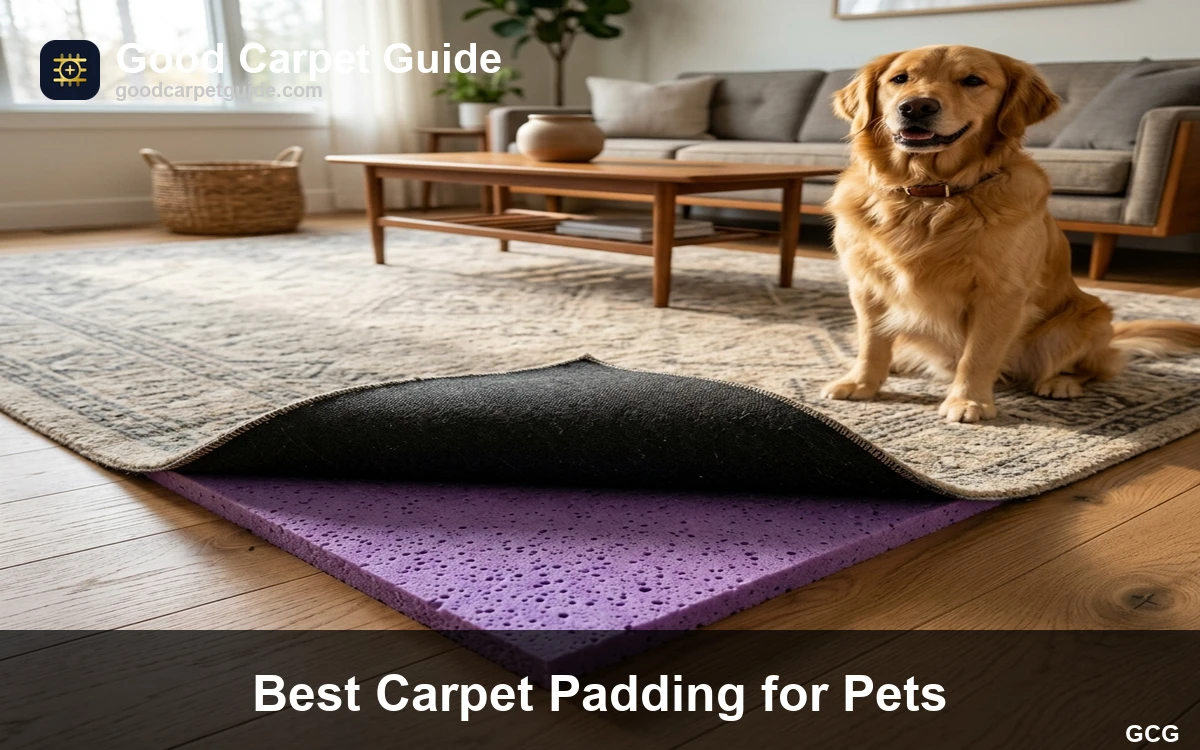
If you have pets, your carpet padding matters more than your carpet.
That’s the brutal truth most homeowners learn too late — usually after the second steam cleaning when the entire room suddenly smells like a wet kennel. We’ve seen homeowners replace perfectly good carpet because the padding underneath became a permanent urine reservoir.
And no, “pet-friendly carpet” alone doesn’t fix it.
The real battle happens underneath the carpet face fibers. That’s where odors soak, bacteria grow, and subfloors get destroyed.
If you’re installing new carpet for a house with dogs, cats, or both, this guide will save you thousands in future tear-outs.
We’re going to cover:
- Why standard rebond padding fails with pets
- Why steam cleaning sometimes makes odors 10x worse
- The critical difference between breathable vs sealed moisture barriers
- Which carpet pads actually hold up to large dogs
- Why seam sealing matters more than most installers admit
- The subfloor sealing step almost every article ignores
For general carpet cushion basics, read our Carpet Padding Guide .
---
Why Your Current Carpet Pad Smells
Most pet odor problems are not in the carpet. They’re in the padding.
Specifically: cheap 6lb rebond foam.
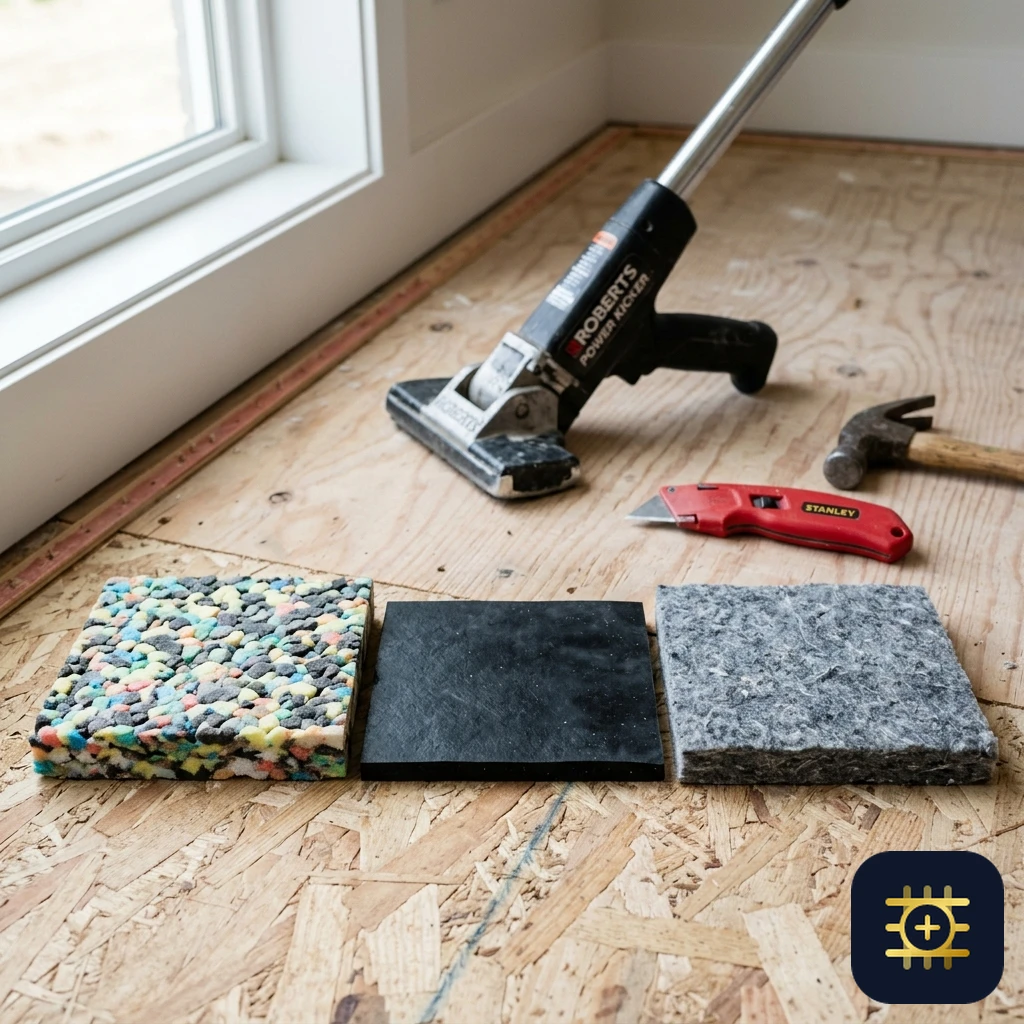
You know the stuff. The multi-colored sponge-looking pad used in most builder-grade installs.
The “Sponge Effect”
Standard rebond padding acts exactly like a kitchen sponge.
Urine goes through the carpet, into the pad, and spreads horizontally through the foam structure. Once uric acid crystals dry inside the pad, they stay there indefinitely.
Then comes the nightmare scenario: You steam clean the carpet. The hot water rehydrates the dried urine salts buried inside the padding. Suddenly the smell explodes back into the room.
Homeowners constantly describe this as:
- “The cleaning made it worse”
- “It smells fine until humidity rises”
- “The odor comes back every summer”
If you already have odor issues, there’s a good chance the carpet itself is no longer the main problem. The pad is. And possibly the subfloor too.
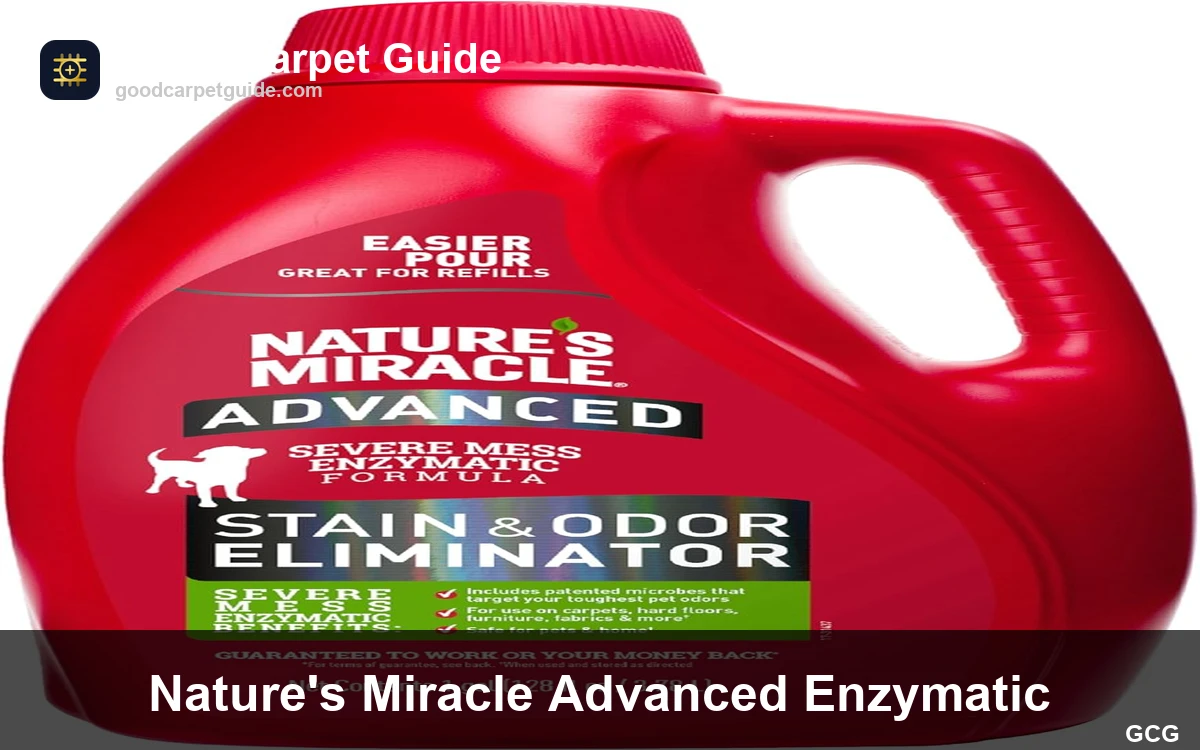
Nature’s Miracle Advanced Enzymatic Cleaner
The gold standard for removing uric acid crystals from carpet fibers before they reach the padding. Essential for fresh accidents.
Check Price on Amazon---
Why Standard Rebond Padding Fails With Pets
Cheap rebond padding fails for three reasons:
1. It Absorbs Liquid Fast
Rebond foam has open-cell construction. That means liquids spread rapidly through the material instead of staying localized. A single dog accident can spread across several square feet underneath the carpet before you even notice it.
2. It Holds Odors Permanently
Uric acid salts bond aggressively inside porous foam. Regular carpet cleaners remove surface contamination, but the padding keeps holding odor molecules underneath. That’s why pet smells often “return” weeks later.
3. It Crushes Under Heavy Dogs
If you have a 90lb Labrador or a 100lb Golden Retriever, don’t even look at cheap 6lb rebond. Large dogs create concentrated pressure points that crush low-density foam quickly.
Once the pad compresses:
- The carpet backing flexes excessively
- Wrinkles develop
- Seams separate
- Carpet lifespan drops dramatically
For pet households, 8lb density should be the minimum starting point. Honestly, for multiple large dogs, we prefer 10lb+.
---
The Best Carpet Fiber Pairing for Pets
Padding matters most, but carpet fiber still matters. For pet households:
- Nylon remains the best overall performance fiber
- Polyester handles stains well but crushes faster under heavy traffic
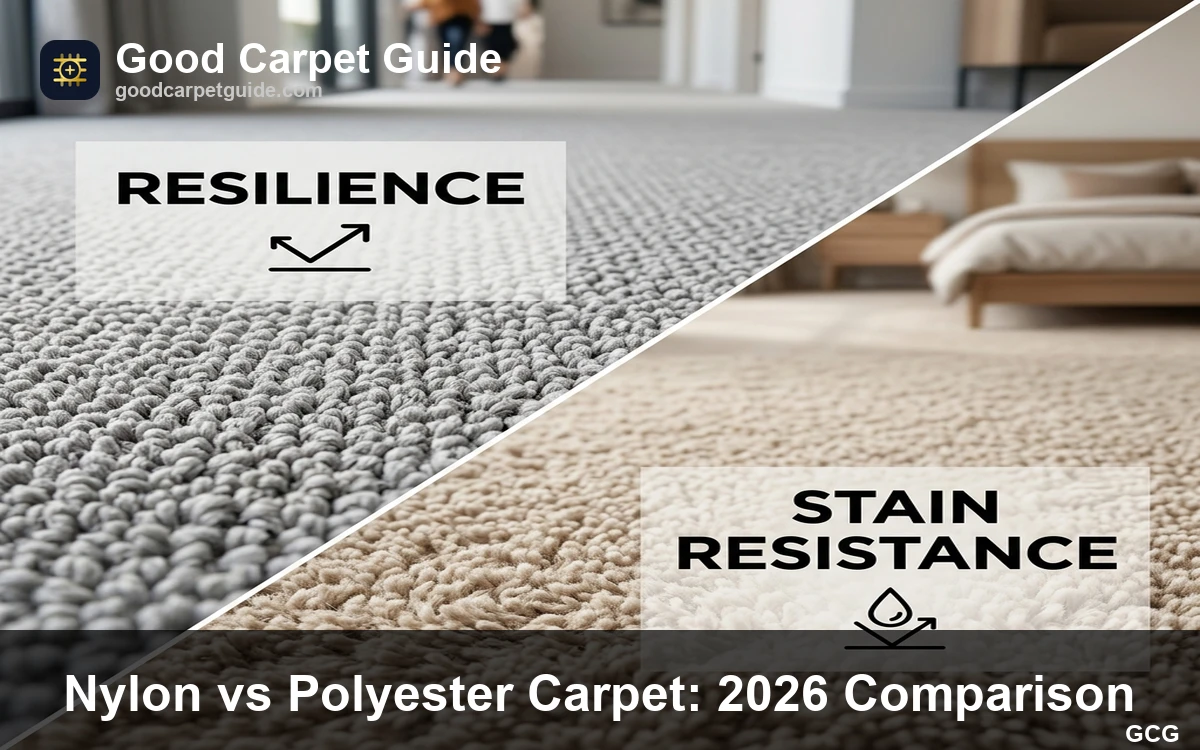
If you’re choosing between the two, read our full Nylon vs Polyester Carpet comparison.
And if your dogs constantly run the same hallway laps every day, you also need a durable traffic-rated carpet. See our Best Carpet for High Traffic Areas guide.
---
| Material                   | Recommended Density | Best Subfloor Type | Key Benefit                    | Main Weakness                |
| -------------------------- | ------------------- | ------------------ | ------------------------------ | ---------------------------- |
| Frothed Polyurethane Foam  | 10lb–12lb           | Concrete/Basements | Best odor control + breathable | Firm underfoot               |
| Rebond Foam (Premium Only) | 8lb minimum         | Above-grade wood   | Affordable comfort             | Standard versions trap urine |
| Rubber/EVA Hybrid          | 8lb–10lb            | Wood subfloors     | Extreme durability             | More expensive               |
| Memory Foam Hybrid         | 8lb+                | Wood subfloors     | Soft comfort feel              | Can feel patchy              |
| Standard 6lb Rebond        | Avoid for pets      | None               | Cheap upfront                  | Permanent odor sponge        |
---
This is where most installers — and honestly most articles online — completely fail homeowners. Not every moisture barrier should be used everywhere. The wrong barrier on the wrong subfloor can create what installers call “wet tub syndrome.”
Think of it like putting a raincoat over a wet mattress. You trap moisture with nowhere to go.
Sealed Moisture Barriers (Best for Wood Subfloors)
A sealed barrier is a fully waterproof layer attached to the top of the padding.
Its job:
- Stop urine from reaching the wood
- Prevent wicking into the subfloor
- Reduce odor penetration
These are excellent for:
- Above-grade wood subfloors
- Main-floor living rooms
- Upstairs bedrooms
- Homes with puppies or older dogs
Benefits
- Maximum urine protection
- Easier cleanup
- Reduces odor absorption dramatically
Risks
On concrete slabs or damp basements, sealed barriers can trap rising moisture underneath. That trapped moisture can:
- Create mold
- Rot tack strips
- Cause mildew smells
- Damage adhesives
That’s the “wet tub” problem.
---
Breathable Moisture Barriers (Best for Concrete)
Breathable barriers are engineered differently. They block liquid spills from above while still allowing vapor movement from below.
That makes them ideal for:
- Basements
- Concrete slabs
- Humid climates
- Floors with potential vapor transmission
This is why many professional installers prefer breathable systems for below-grade installs.
Signs You Need Breathable Padding
- Basement installation
- Concrete slab foundation
- Historic moisture issues
- Humid crawlspace conditions
Signs You Need Sealed Padding
- Wood subfloor
- Upstairs installation
- Frequent pet accidents
- Puppies in training
---
The Biggest DIY Mistake: Installing the Barrier Upside Down
We’ve seen this more times than we can count. Homeowners think the moisture barrier faces downward to block moisture from below.
Wrong.
The moisture barrier faces UP toward the carpet. Its primary purpose is protecting against spills and pet accidents from above.
If installed incorrectly:
- Moisture gets trapped
- Drying slows dramatically
- Odors worsen
- Mold risk increases
---
Top 3 Carpet Pads for Pets: Our Recommendations
These are the pads we consistently see perform well in real-world pet households.
Not showroom conditions.
Actual dogs.
Actual accidents.
Actual traffic.
1. Mohawk SmartCushion
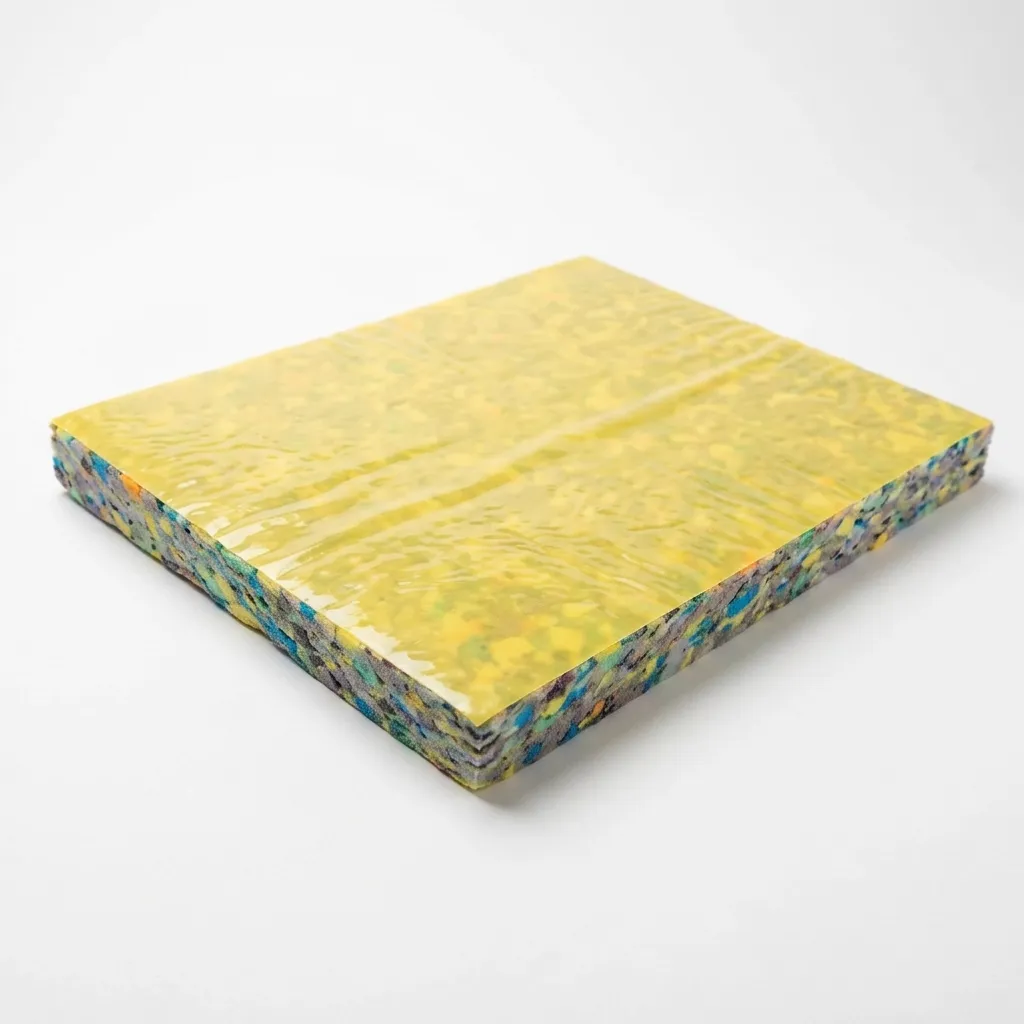
Mohawk SmartCushion balances softness with strong pet performance.
Best For: Homeowners wanting comfort plus strong accident protection. It balances softness with decent pet performance.
It uses:
- Memory foam hybrid construction
- Built-in antimicrobial treatment
- Non-breathable “All Pet” moisture barrier
What We Like:
- Comfortable underfoot
- Stops urine wicking effectively
- Good balance between softness and durability
What We Don’t:
Some installs develop a slightly uneven or “patchy” feel. And because it’s a sealed barrier, we don’t love it over damp concrete slabs.
Best Use Case:
- Above-grade wood subfloors
- Bedrooms
- Family rooms
- Moderate-to-heavy pet households
---
2. Healthier Choice Frothed Foam
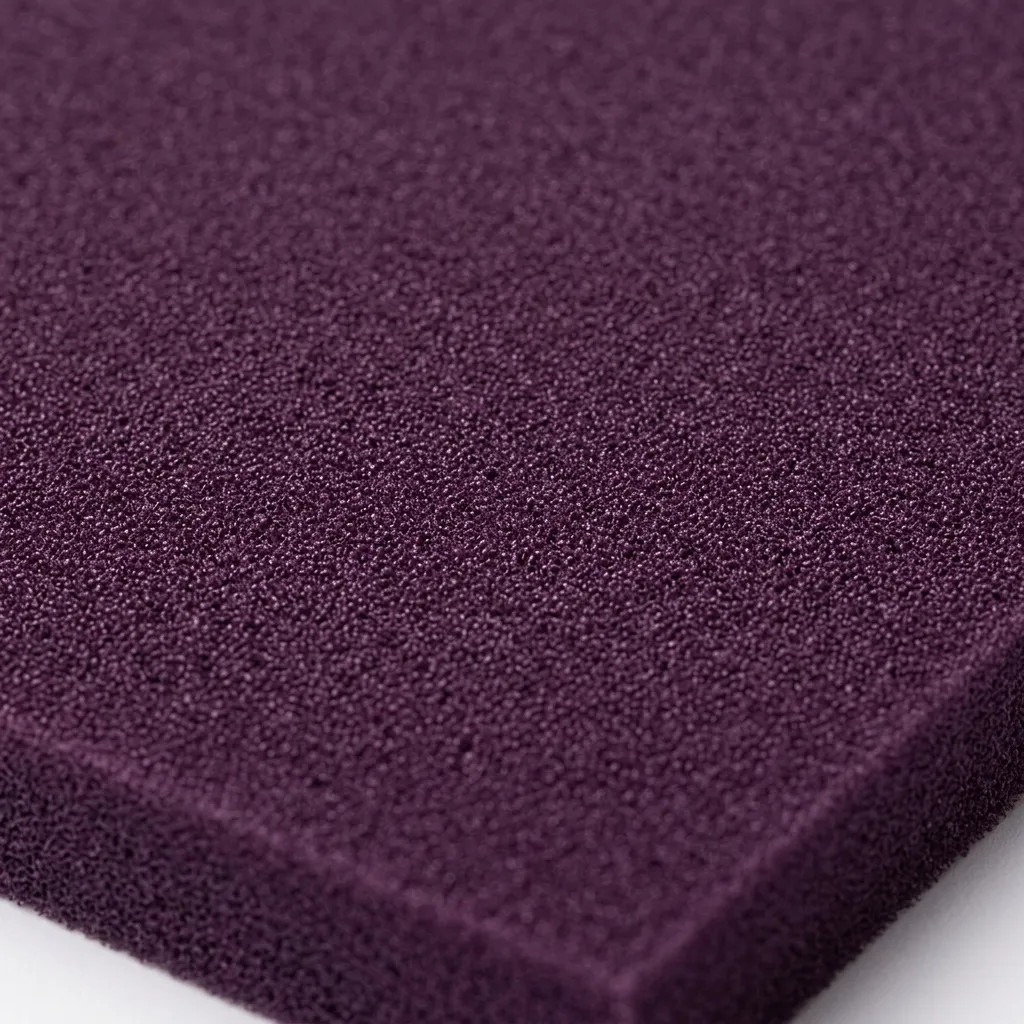
Healthier Choice frothed foam is the professional benchmark for durability.
Best For: Serious pet households with long-term durability concerns. This is the professional benchmark.
What We Like:
- Extremely durable
- Excellent dimensional stability
- Breathable design works well over concrete
- Doesn’t absorb urine like rebond
What We Don’t:
Some homeowners hate the feel. If you’re used to plush soft carpet, this can feel firm. Some describe it as “walking on an office floor.”
Best Use Case:
- Basements
- Concrete slabs
- Large dogs
- Heavy traffic homes
- Long-term installs
---
3. Nike Grind StepAhead
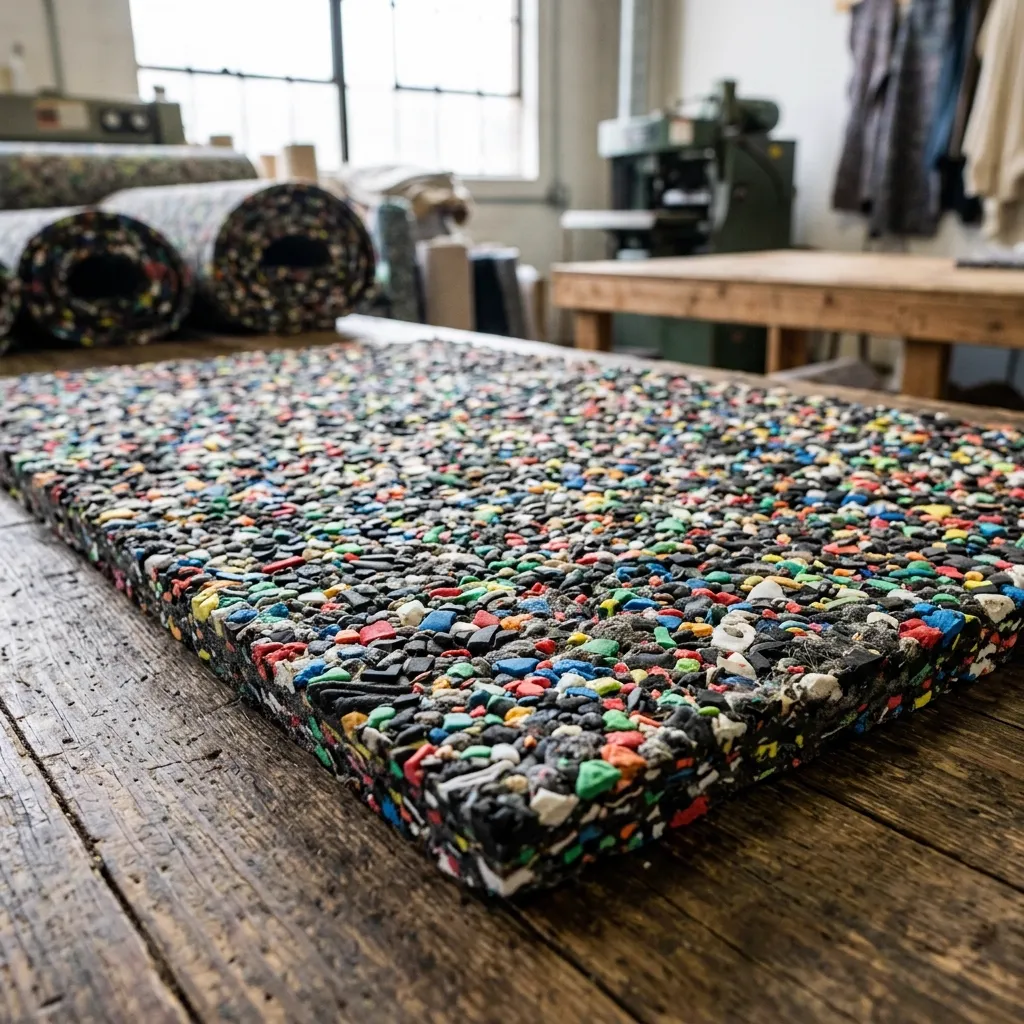
Nike Grind pads are incredibly resilient and perfect for heavy dog traffic.
Best For: Heavy dogs that destroy standard foam. This stuff has serious bounce-back performance because it uses recycled Nike shoe rubber and EVA materials.
What We Like:
- Outstanding resilience
- Doesn’t crush easily
- Eco-friendly construction
- Handles heavy traffic extremely well
What We Don’t:
The sealed SpillSafe barrier means we prefer this over wood rather than damp concrete. Also, rubber-based pads can feel firmer than traditional rebond.
Best Use Case:
- Multiple dogs
- Hallways
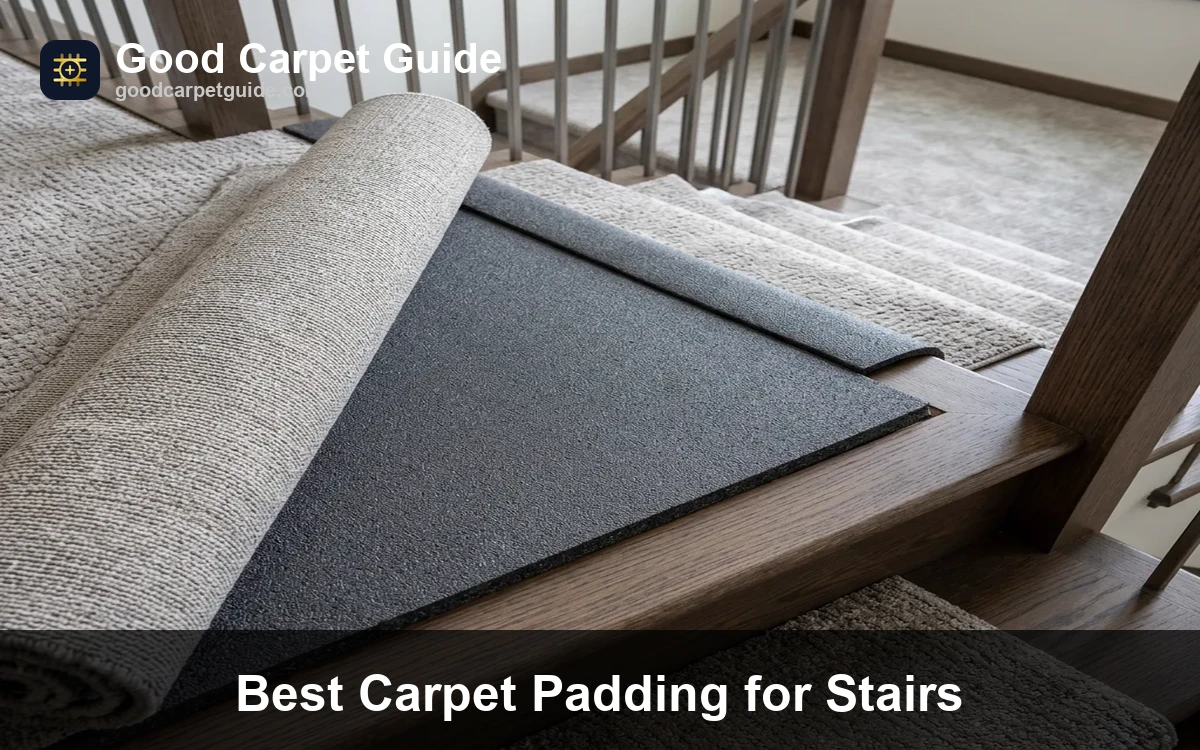
- Stairs
- Active households
- Heavy traffic zones
---
If urine already reached the subfloor, replacing the carpet and pad alone may not solve the smell. The odor lives in the wood now. And pet urine — especially cat urine — is unbelievably persistent.
The “KILZ Secret”
Professional odor remediation almost always includes sealing the subfloor.
Zinsser BIN Shellac Primer
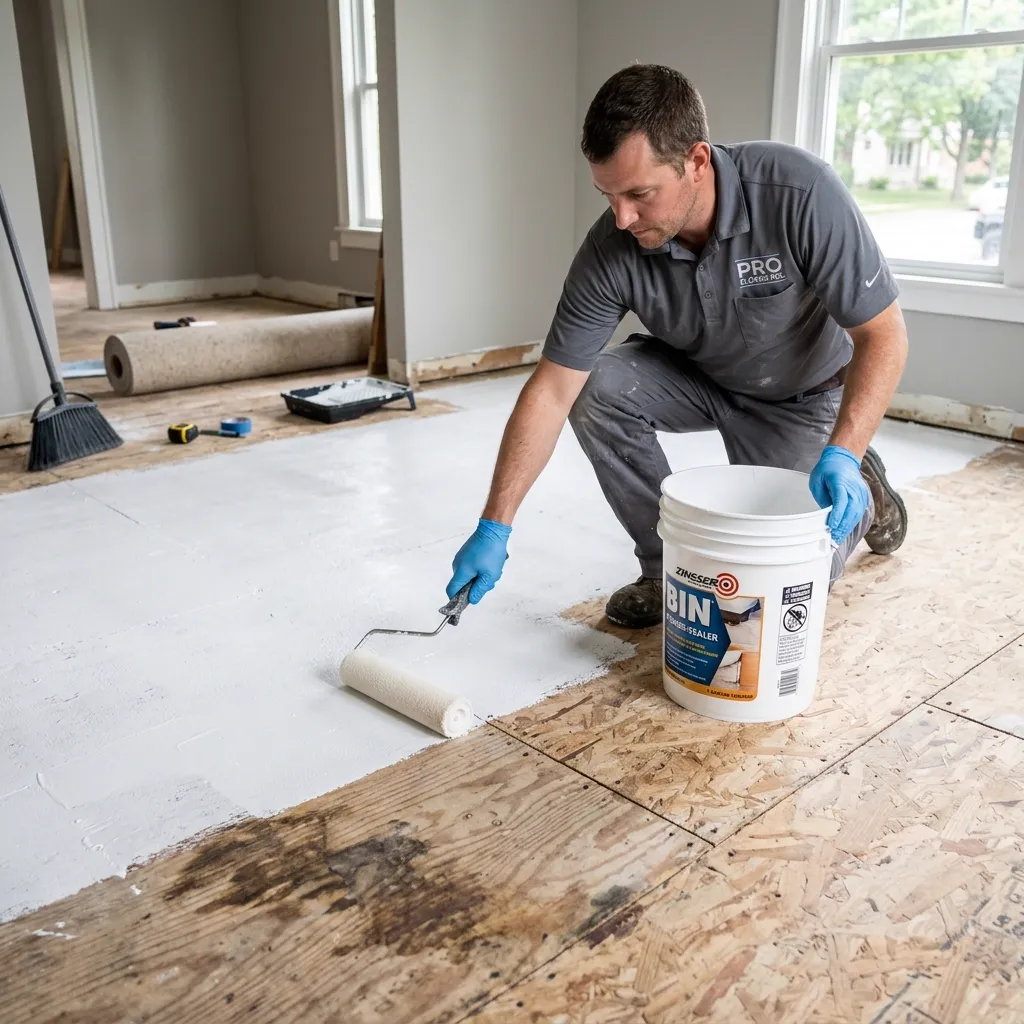
Sealing the subfloor with Zinsser BIN or KILZ is critical for removing odors.
This is the nuclear option for serious pet odor. Shellac-based primers lock odors aggressively into the wood fibers. If we’re dealing with old cat urine, this is usually our first recommendation.
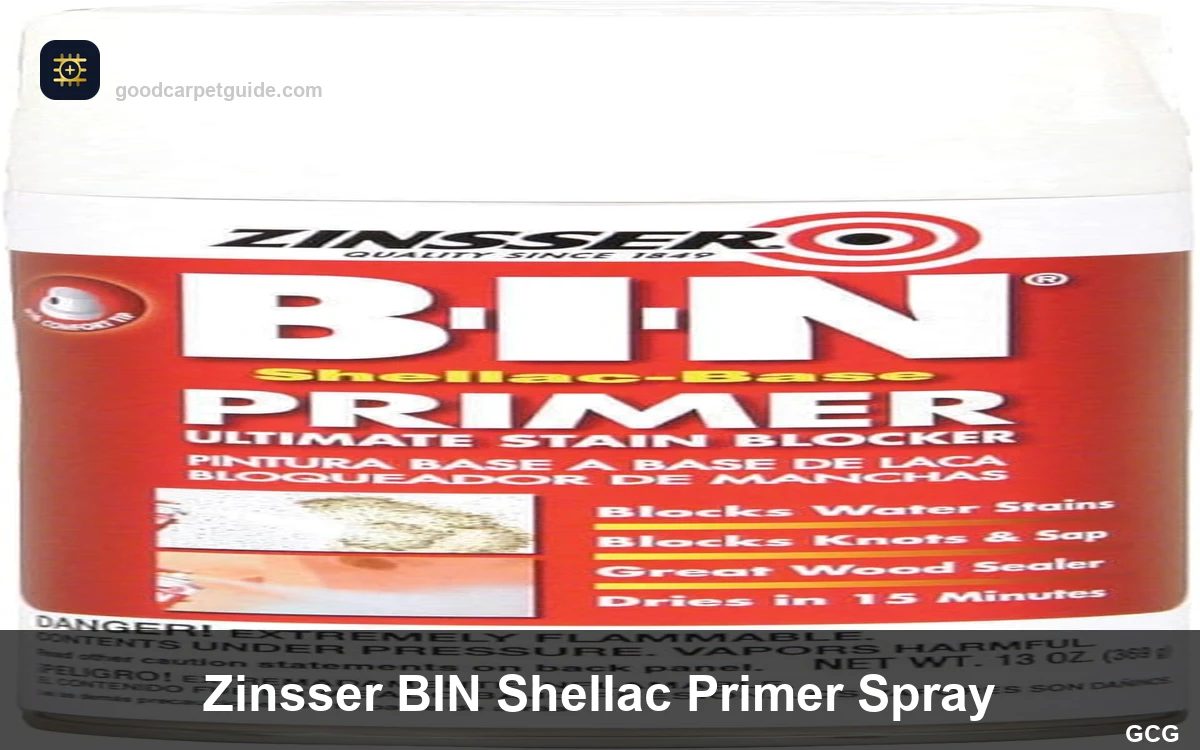
Rust-Oleum Zinsser BIN Shellac Primer Spray
The professional nuclear option. This shellac-based primer permanently seals in the most stubborn pet odors on subfloors.
Check Price on AmazonKILZ Odor Blocking Primer
KILZ works well too, especially for moderate contamination.
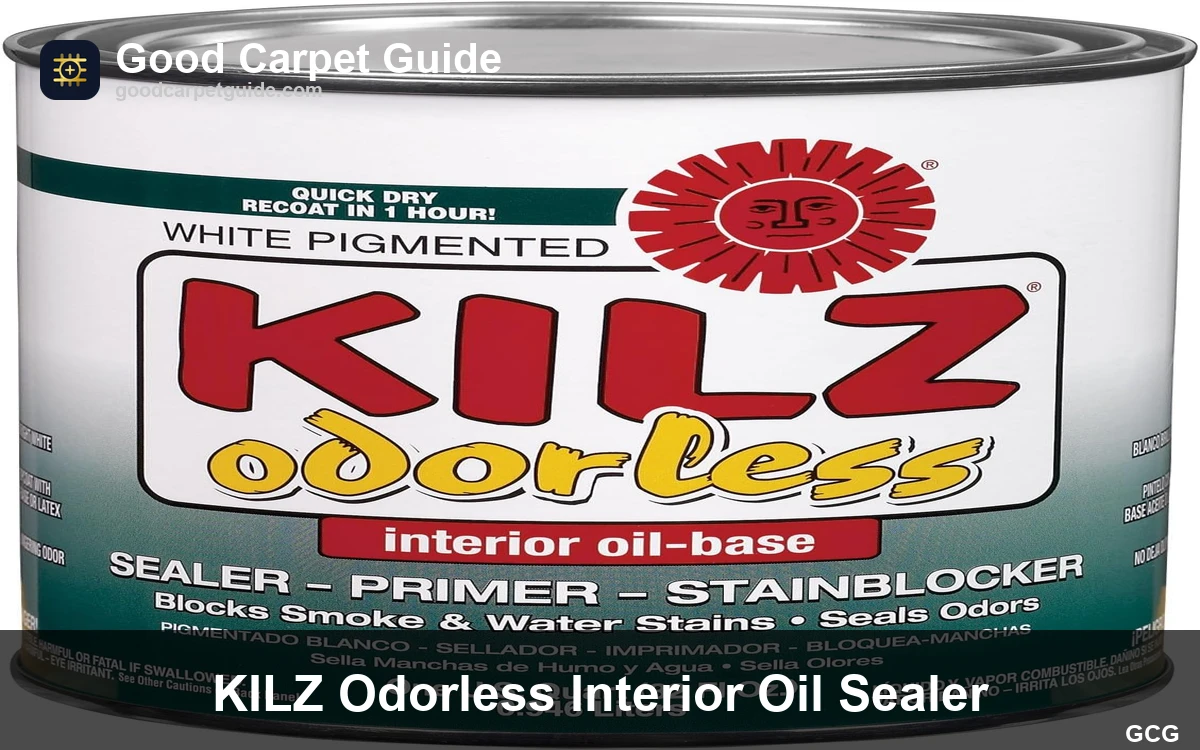
KILZ Odorless Interior Oil Based Sealer
An excellent oil-based alternative for sealing wood subfloors. Blocks stains and odors without the heavy shellac smell.
Check Price on AmazonCritical Reality
If the subfloor is heavily saturated or structurally damaged:
- Primers may not be enough
- Sections of subfloor may need replacement
- Tack strips often need replacement too
We’ve seen tack strips literally crumble from repeated dog accidents.
---
Seam Sealing: The Step Installers Skip
A pet pad is useless if the seams are open. Urine follows gravity. If the seams aren’t taped:
- Liquid flows directly into the cracks
- Subfloor contamination starts immediately
- Moisture barriers become pointless
Every seam should be sealed using moisture-resistant seam tape, proper overlap techniques, and tight edge alignment. Honestly, we’d rather have a decent pet pad with properly sealed seams than an expensive premium pad with sloppy installation.
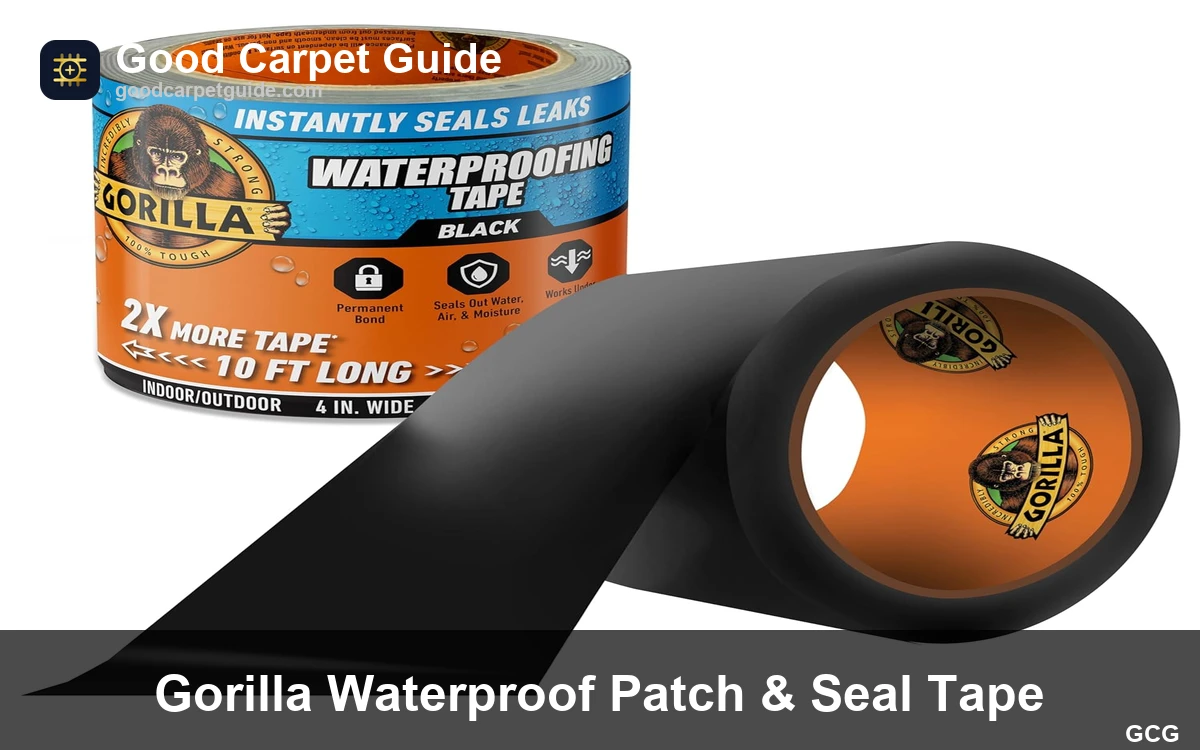
Gorilla Waterproof Patch & Seal Tape
Heavy-duty waterproof tape for sealing padding seams. Ensures pet accidents can't leak through the joints to your subfloor.
Check Price on Amazon---
Thickness Matters More Than Homeowners Think
For heavy pet households, 3/8" to 7/16" thickness is ideal. Over 1/2" creates excessive flex that damages carpet backing. Thick soft foam feels great for six months, then traffic lanes crush and wrinkles form.
---
For a serious pet household with large breeds and heavy traffic, this is the spec we’d install:
Above-Grade Wood Subfloor
- Pad Material: Rubber/EVA hybrid or high-density frothed foam
- Density: 8lb–12lb
- Thickness: 3/8"–7/16"
- Barrier Type: Sealed moisture barrier
- Seams: Fully taped
- Subfloor Prep: Zinsser BIN or KILZ if prior accidents exist
Carpet Pairing
- Solution-dyed nylon. (Not polyester. Large dogs destroy cheap polyester traffic lanes surprisingly fast.)
---
Basement or Concrete Slab
- Pad Material: Breathable frothed polyurethane
- Density: 10lb–12lb
- Barrier Type: Breathable moisture barrier
- Thickness: 3/8"
- Installation: Full seam sealing mandatory
This prevents the wet tub effect while still protecting against accidents.
---
Final Recommendation
If you remember only one thing from this guide, remember this: The padding determines whether pet accidents become a temporary cleanup issue or a permanent odor problem.
Cheap rebond padding saves money exactly once: The day you buy it. After that, it often becomes a urine sponge sitting directly on top of your subfloor.
For pet households, spend the extra money upfront:
- Dense pad
- Correct barrier type
- Proper seam sealing
- Subfloor odor sealing if needed
That upgrade acts like insurance against a full tear-out later. And trust us — tearing out urine-soaked carpet, padding, tack strips, and subfloor is a job you only want to pay for once.