Carpet stain removers determine whether a stain disappears permanently or returns darker within weeks. Modern carpet stain removers also determine whether nylon fibers stay resilient or become sticky, brittle, and permanently discolored from residue buildup. Most homeowners focus on the visible stain, but professional installers focus on residue chemistry, fiber compatibility, and moisture migration inside the carpet pad .
Professional carpet stain removers separate into four categories: enzymatic biologicals for protein contamination, oxidizers for organic discoloration, reducers for synthetic dyes, and solvents for grease or adhesive residue. That classification matters more than branding because the wrong chemistry permanently locks stains into the fiber structure. Dish soap, foaming aerosol sprays, and vinegar-baking soda mixtures create residue that attracts soil, weakens fibers, and accelerates resoiling.
Modern installers consistently recommend products like Folex Instant Carpet Spot Remover, Cleansmart Liqua-Zyme, Stain-Zone by Bridgepoint, and citrus solvents because these products prioritize residue control and fiber-safe chemistry. Professional formulations contain higher active ingredient concentrations and lower filler content than retail foaming sprays. That concentration difference directly affects stain removal speed, wicking control, and long-term carpet appearance.
This guide explains how professional carpet stain removers work, why foam causes long-term damage, how to match chemistry to stain type, why carpet padding determines odor recurrence, and when professional extraction becomes mandatory. The guide also compares retail sprays against professional-grade chemistry using real installer logic rather than marketing claims.
Why Most Retail Carpet Stain Removers Fail Long-Term
Most retail carpet stain removers fail because they leave sticky surfactant residue inside the carpet pile. That residue traps airborne soil and foot traffic oils after the stain appears removed.
Foaming cleaners create the largest residue problem. Foam pushes contamination deeper into the carpet while making extraction more difficult. Professional installers often describe foam as “the enemy” because foam expands inside the pile structure and remains trapped beneath the fiber tips. When foam dries, it creates a microscopic sticky film that binds dirt to the fiber.
Retail brands like Resolve, Bissell aerosol sprays, and many OxiClean carpet spotters rely heavily on visual masking agents. Those masking agents include optical brighteners that temporarily hide discoloration under artificial light. Optical brighteners eventually yellow modern carpet fibers, especially lighter nylon carpets exposed to sunlight.
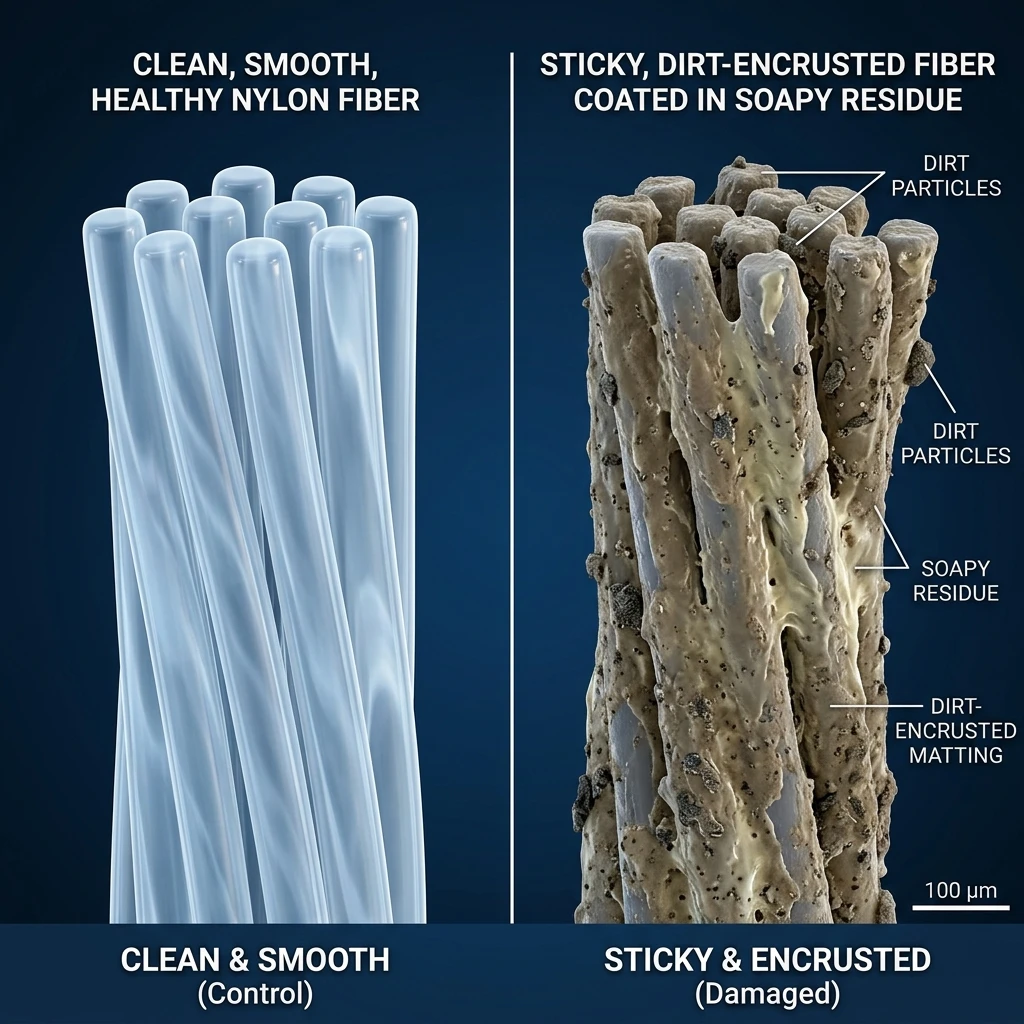
Professional carpet stain removers reduce residue accumulation, while foaming retail sprays leave surfactants that trap dirt inside carpet tufts.
Retail formulas also contain extremely low active ingredient percentages. Many $6 to $10 sprays consist mostly of water with only 2% to 5% cleaning chemistry. Professional products often contain 15% to 25% active ingredients, which reduces over-application and improves rinse efficiency.
Cheap residue creates a larger replacement cost later. Delamination, permanent yellowing, and fiber distortion often require partial carpet replacement costing $3 to $8 per square foot.
Why Folex Became the Installer Favorite
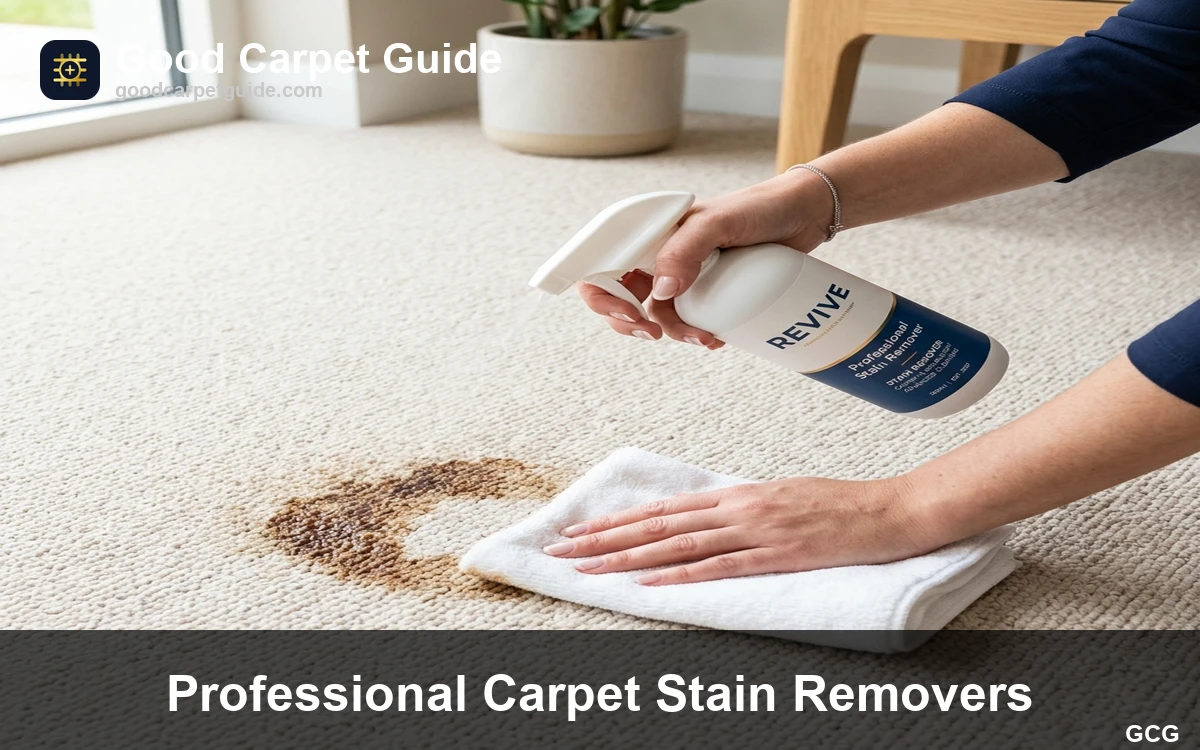
Folex Instant Carpet Spot Remover became popular because it removes many stains without leaving sticky residue. That low-residue chemistry separates Folex from typical retail spot removers.
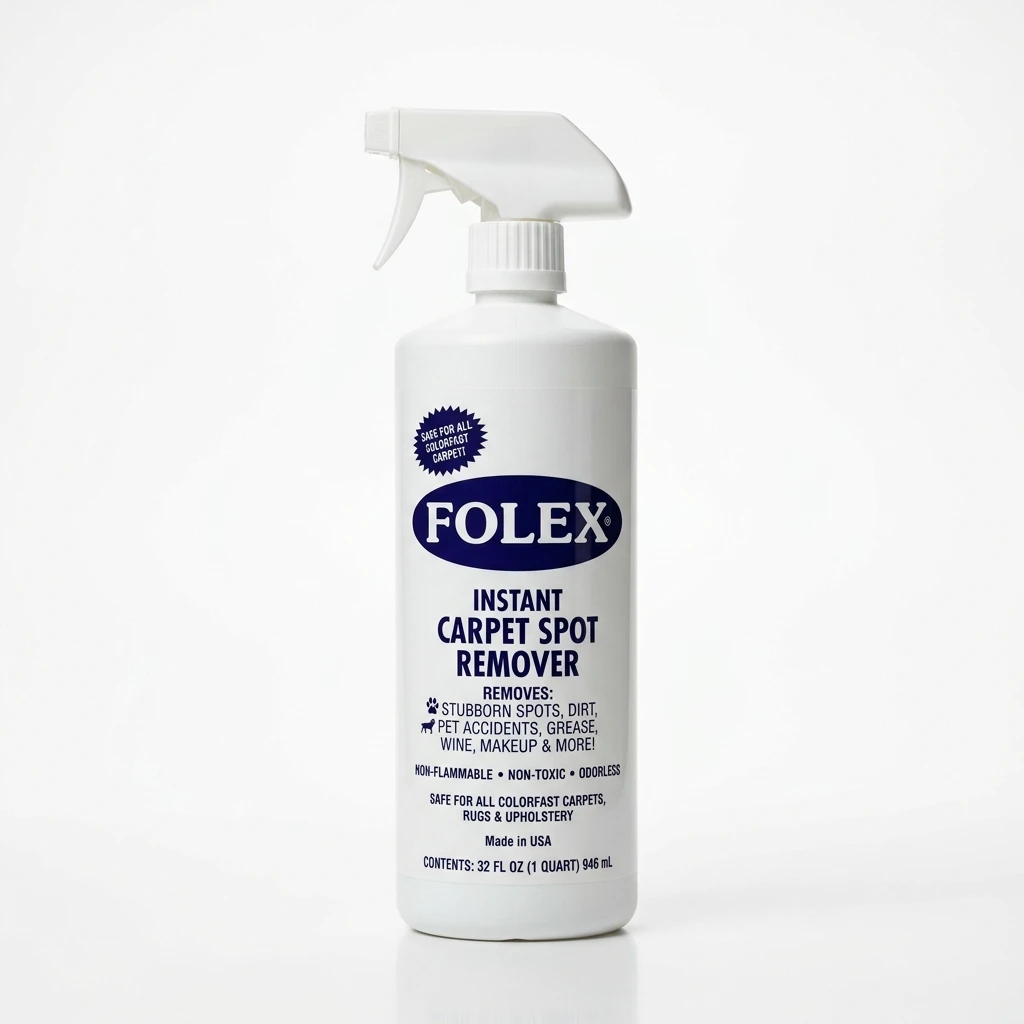
Folex Instant Carpet Spot Remover
The gold standard for low-residue cleaning. Folex is non-ionic, meaning it won't attract dirt after it dries. Perfect for general spots and spills.
Check Price on AmazonFolex uses non-ionic surfactants rather than heavy foaming detergents. Non-ionic surfactants rinse more cleanly from synthetic carpet fibers and reduce rapid resoiling after treatment. Installers also prefer Folex because it contains no optical brighteners. Cold water application beats hot water when using Folex on protein-based stains to prevent permanent thermal setting of the stain.
The “spray and walk away” reputation comes from its capillary action behavior. The chemistry lifts contamination toward the towel surface instead of forcing contaminants deeper into the backing. That behavior matters for polypropylene and nylon carpets commonly installed in modern homes.
Why Dish Soap and Vinegar Damage Carpet Fibers
Dish soap damages carpet because dish soap is designed for rinseable hard surfaces, not absorbent fiber systems. Blue Dawn and similar detergents contain anionic surfactants that remain trapped inside carpet yarn.
Anionic surfactants create long-term soil attraction. Dirt adheres rapidly to leftover detergent residue, making treated areas appear darker than surrounding carpet within weeks.
Laboratory testing also associates heavy detergent exposure with measurable nylon fiber weakening. Some professional discussions cite tensile strength reductions approaching 29% in nylon 6,6 fibers after repeated detergent exposure.
Vinegar and baking soda fail because the chemistry conflicts internally. Baking soda raises alkalinity while vinegar briefly acidifies the surface before neutralization occurs.
That unstable pH shift causes oil saponification inside the carpet pile. Saponification converts oils into sticky soap-like residue that traps dirt aggressively.
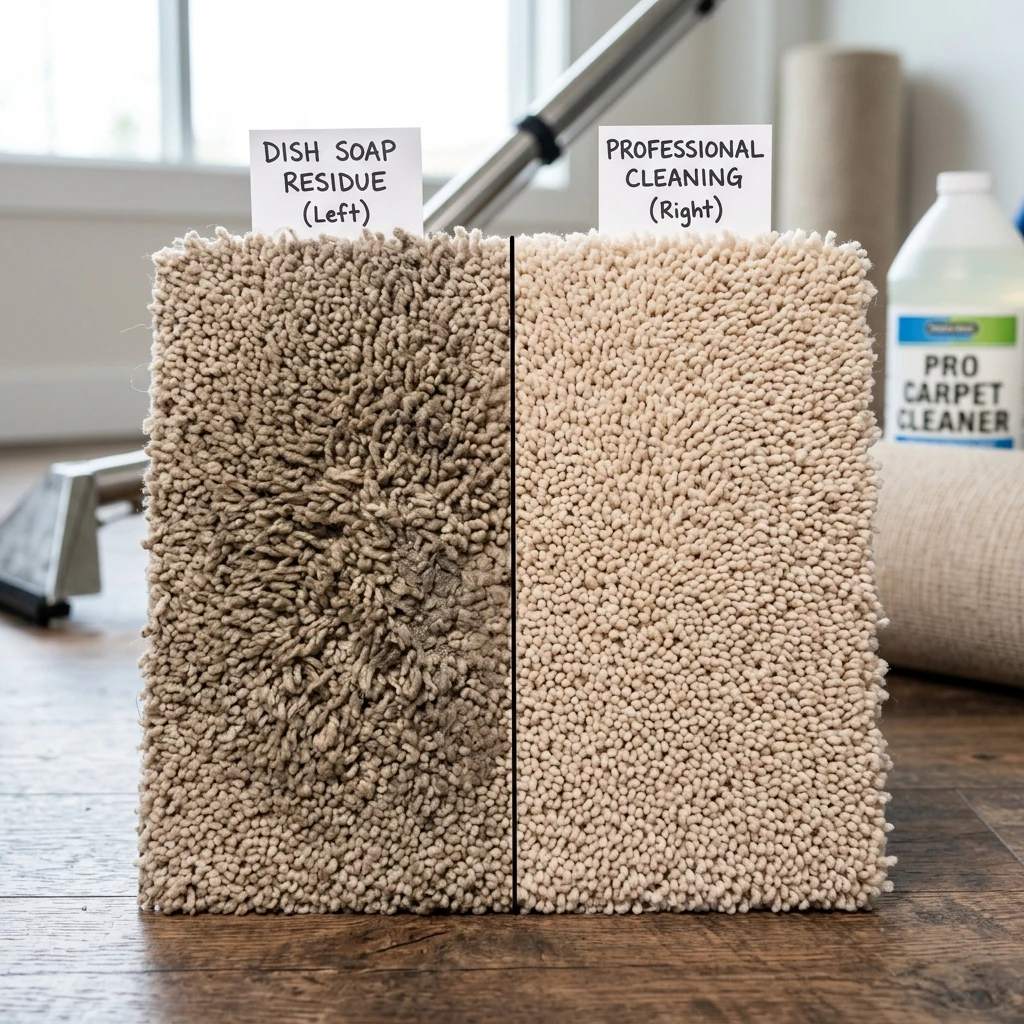
Dish soap leaves surfactant residue inside carpet fibers, while professional low-residue chemistry preserves fiber texture and appearance.
Match the Chemistry to the Stain Type
Use Enzymes for Organic and Protein Stains
Use enzymatic cleaners for pet urine, blood, vomit, dairy, and food protein contamination. Enzymatic cleaners digest proteins and nitrogen compounds rather than masking odor.
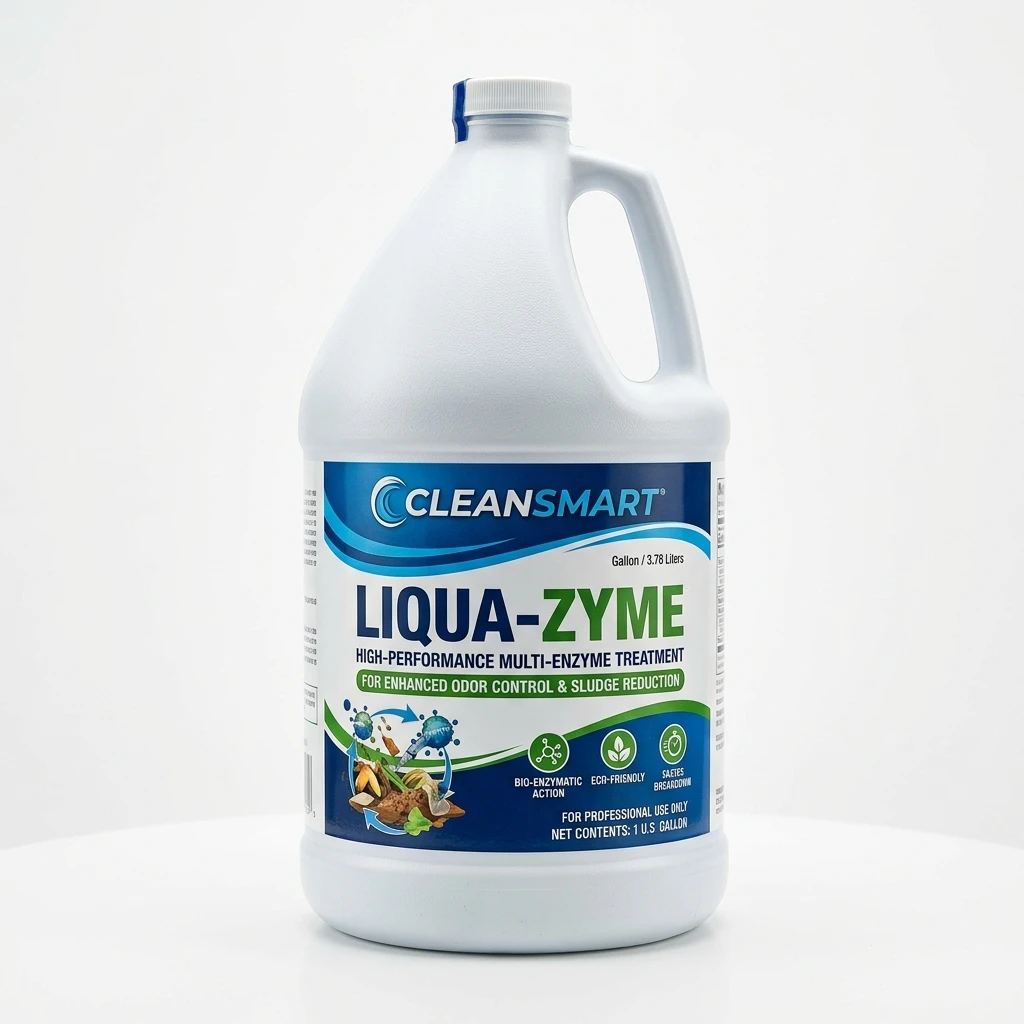
Cleansmart Liqua-Zyme
Professional-grade enzymatic digester. It contains live bacteria that eat the proteins causing odors in your carpet padding.
Check Price on AmazonSuccessful enzymatic cleaning requires moisture dwell time. Enzymes must stay damp to remain biologically active. Applying cool water before treatment prevents protein coagulation.
Use Oxidizers for Severe Organic Discoloration
Use oxidizers for difficult organic discoloration like mustard, red wine, coffee, and vomit staining. Oxidizers chemically break apart color molecules embedded inside the fiber.
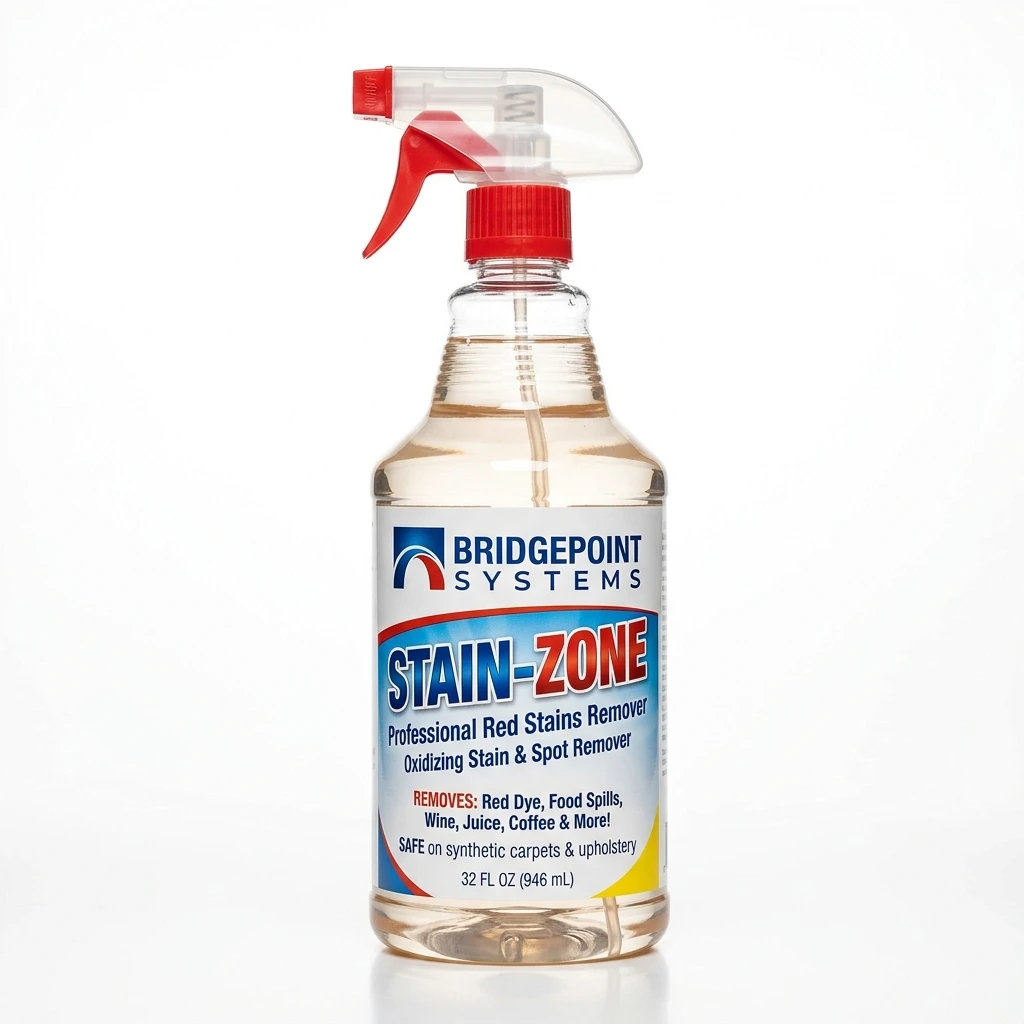
Bridgepoint Stain-Zone
A powerful oxidizer designed for 'impossible' organic stains. Removes coffee, wine, and vomit where others fail.
Check Price on AmazonStain-Zone by Bridgepoint uses stabilized hydrogen peroxide to neutralize organic color. Unlike retail bleaches, professional oxidizers control the rate of oxidation to prevent fiber damage.
Use Reducers for Synthetic Dyes
Reducers work on synthetic dyes found in Kool-Aid, Gatorade, and fruit juices. These stains require a chemical reduction process, often using sodium metabisulfite, to remove the synthetic pigment. Reduction usually requires professional-grade heat transfer techniques to activate the chemistry safely.
Use Solvents for Grease and Oil
Citrus solvents containing d-limonene dissolve oil-based contamination like grease, tar, and makeup. Solvents break the bond between oily soil and the carpet fiber. Professional gel-based solvents like Pro-Solve Gel prevent solvent migration into the latex backing, which prevents delamination.
Why Stains Return After Cleaning
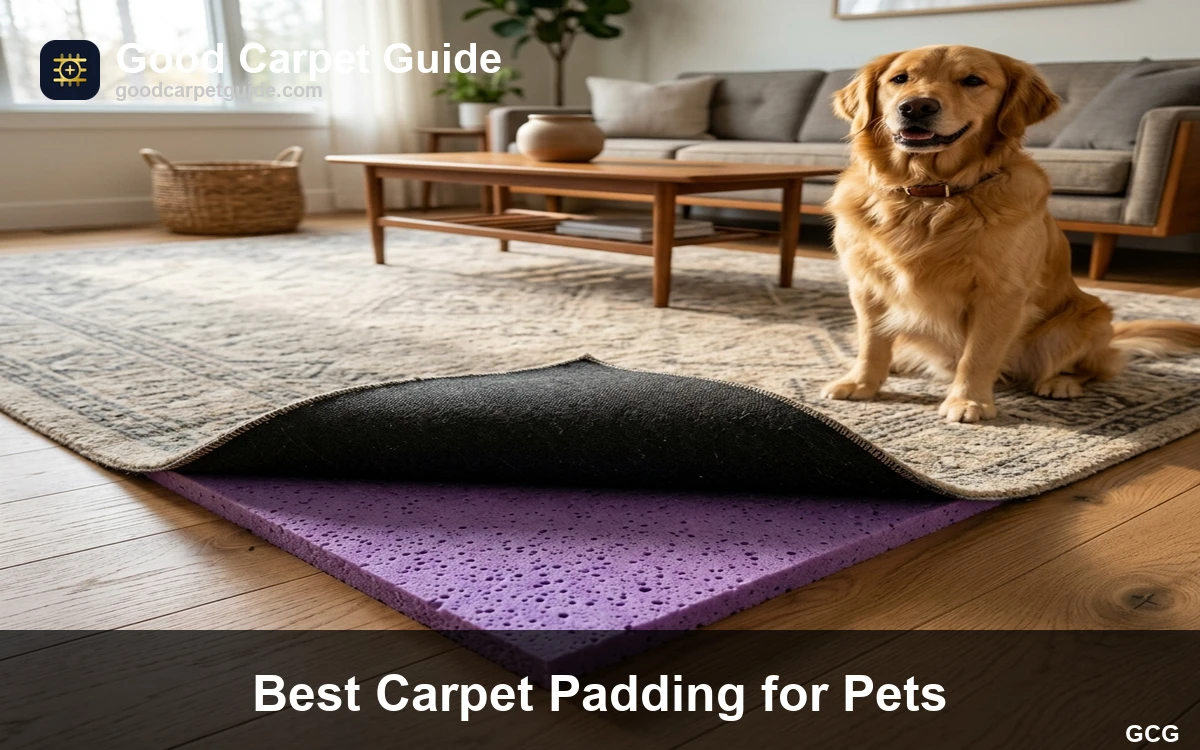
Stains return because moisture remains trapped inside the carpet pad . That moisture migrates upward through capillary action after the carpet surface dries. The installer rule is simple: If you can smell it, the contamination is in the pad. If you can only see it, the contamination is usually limited to the fiber.
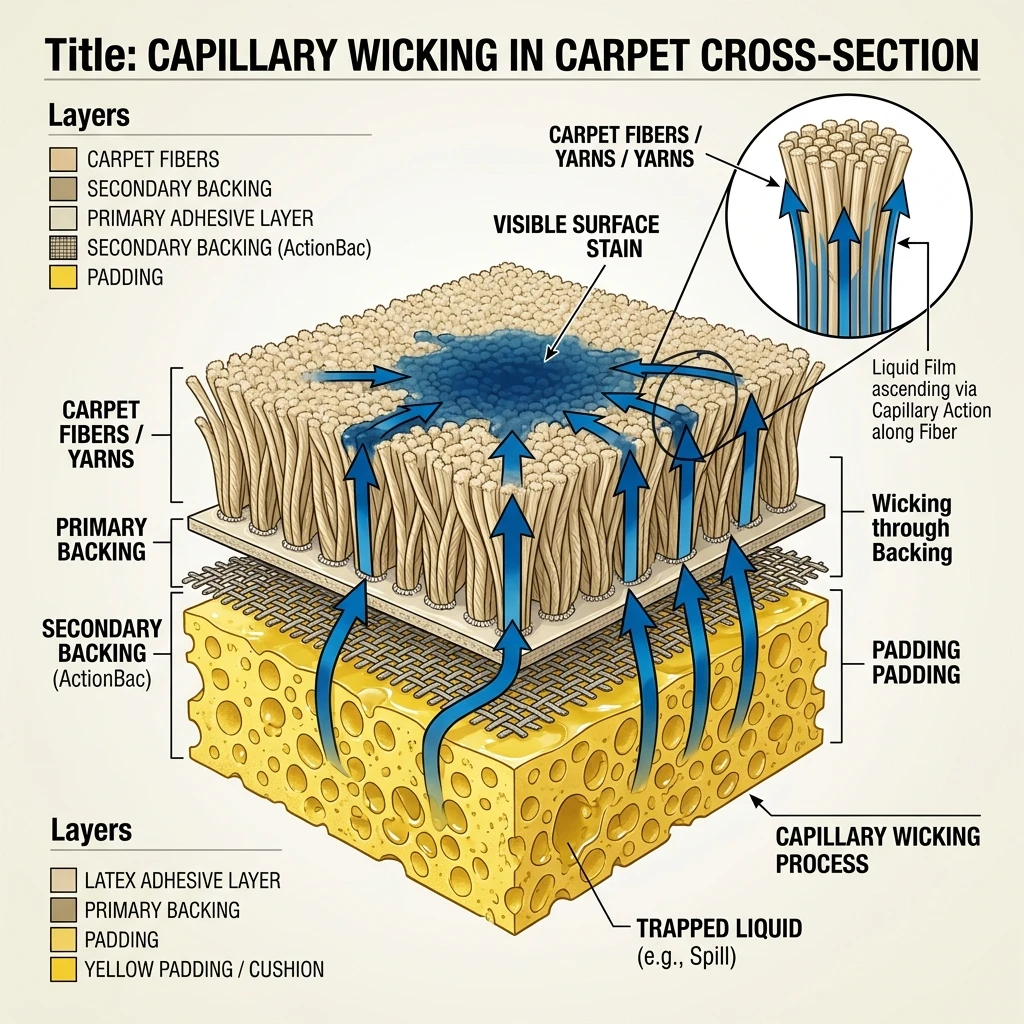
Capillary wicking pulls hidden contamination upward from the carpet pad, causing stains to reappear after surface cleaning dries.
The Professional Method for Preventing Wicking
Professional carpet stain removers work best when combined with extraction pressure. Extraction pressure removes dissolved contamination before drying begins. Sub-surface extraction tools like the Water Claw compress the carpet and pull liquid directly from the pad.
The Weight Method
Homeowners without extraction equipment should use the “weight method.” 1. Blot excess moisture immediately. 2. Place dry white towels over the treated area. 3. Cover towels with plastic. 4. Place heavy books or weights on top. 5. Leave pressure applied for 24 hours. The weight method uses downward pressure to accelerate the capillary migration into the towel rather than the carpet fiber tips.
Blotting Protects Carpet Construction
Blotting protects carpet fibers because blotting lifts contamination vertically rather than spreading it horizontally. Horizontal scrubbing distorts yarn structure permanently. Scrubbing causes blooming and fraying. Blooming occurs when carpet tufts unravel and lose their original twist definition.
Why Professional Solutions Cost More
Professional carpet stain removers cost more because professional formulas contain substantially higher concentrations of active chemistry. Higher concentration reduces residue and improves stain removal efficiency. An $8 retail aerosol spray often contains mostly water and foaming agents, while a $20+ professional bottle contains concentrated active ingredients and fiber-safe surfactants.
The Best Carpet Stain Removers by Scenario
Best Overall: Folex Instant Carpet Spot Remover. Best Pet Urine: Cleansmart Liqua-Zyme + Urine Pre-Treat. Best for Severe Organic: Bridgepoint Stain-Zone. Best for Grease/Gum: Pro-Solve Gel.
Fiber Type Changes the Cleaning Strategy
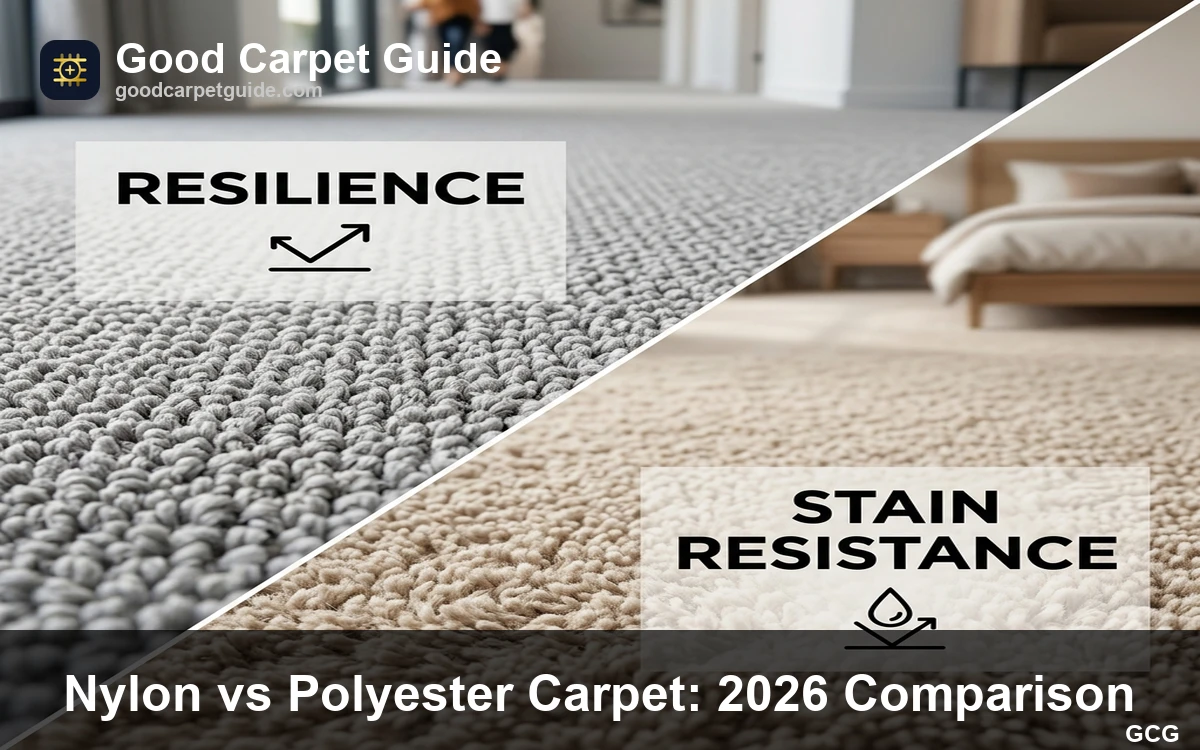
Nylon absorbs dye aggressively, while polyester resists water-based stains but attracts oily residue. Olefin resists moisture but retains grease heavily. Wool requires the most caution, as high alkalinity and strong oxidizers permanently damage wool proteins. Always check the stain resistance warranty before using high-pH reducers or oxidizers.
When Professional Cleaning Becomes Mandatory
Professional cleaning becomes mandatory when contamination reaches the carpet pad or subfloor. Persistent odor usually confirms subsurface contamination. Hire a professional when pet urine smell remains after treatment, stains repeatedly reappear, or large spills soaked the pad.
Final Recommendations by Household Type
Use enzymatic systems and subsurface extraction methods in pet households. Use low-residue spot removers like Folex in high-traffic homes. Avoid dish soap, vinegar-baking soda mixtures, and foaming retail aerosols because these products create recurring soil attraction and accelerate carpet wear.